 May 1993 in “Drugs & Therapy Perspectives”
 Formestane is a preferred second-line treatment for advanced breast cancer in postmenopausal women because it's effective and has fewer side effects.
June 2026 in “Cancer Research Communications” The treatment combination is safe and effective for some patients with this type of breast cancer.
 26 citations
,
June 2018 in “The journal of immunology/The Journal of immunology”
26 citations
,
June 2018 in “The journal of immunology/The Journal of immunology” AIRE-deficient rats developed severe autoimmune disease similar to APECED, useful for testing treatments.
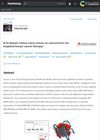 January 2025 in “Nanoscale”
 Boron/nitrogen-doped carbon nano-onions improve targeted breast cancer treatment by enhancing drug delivery and reducing side effects.
56 citations
,
July 2014 in “PloS one” SARMs may be an effective treatment for a certain type of breast cancer by blocking cancer growth and spread.
 21 citations
,
March 2019 in “Critical Reviews in Clinical Laboratory Sciences”
21 citations
,
March 2019 in “Critical Reviews in Clinical Laboratory Sciences” The androgen receptor is a promising target for breast cancer treatment, especially in triple-negative cases, but more research is needed for personalized therapies.
39 citations
,
August 2022 in “Pharmaceutics” Combining letrozole and quercetin in spanlastics may improve breast cancer treatment.
 2 citations
,
April 2025 in “Cureus”
2 citations
,
April 2025 in “Cureus” Ki-67 levels do not predict treatment response in triple-negative breast cancer.
2 citations
,
January 2012 HSA nanoparticles can improve tamoxifen delivery for breast cancer treatment, reducing side effects.
 June 2026 in “Pathology & Oncology Research”
 Scalp cooling helps prevent hair loss during certain breast cancer treatments, especially when anthracyclines aren't used.
 67 citations
,
April 2018 in “JAMA Dermatology”
67 citations
,
April 2018 in “JAMA Dermatology” Hair loss from hormone therapy in breast cancer patients can be improved with minoxidil treatment.
15 citations
,
October 2003 in “Annals of Oncology” Hair loss can occur as a side effect of certain breast cancer treatments, but minoxidil can help regrow hair.
 11 citations
,
May 2011 in “Journal of Cutaneous Medicine and Surgery”
11 citations
,
May 2011 in “Journal of Cutaneous Medicine and Surgery” Break dancing on the head may cause a type of scarring hair loss that needs early treatment to prevent permanent damage.
 3 citations
,
May 2024 in “Amino Acids”
3 citations
,
May 2024 in “Amino Acids” Disrupted cysteine metabolism may cause hair breakage in Alopecia Areata, suggesting potential treatments like N-acetylcysteine.
February 2026 in “Clinical Cancer Research” The combined treatment helped prevent hair loss and promoted full hair regrowth in breast cancer patients after chemotherapy.
 September 2023 in “Curēus”
 Reproductive hormones play a crucial role in breast cancer development and treatment challenges.
 May 2022 in “Голова и шея.”
 Exosomes show promise for targeted treatment of HER2-positive breast cancer.
 29 citations
,
December 2011 in “British Journal of Dermatology”
29 citations
,
December 2011 in “British Journal of Dermatology” A new hair treatment with caffeine and other ingredients makes hair thicker and less likely to break.
3 citations
,
August 2017 in “Springer eBooks” The document explains breast development, common breast conditions, and their treatments.
January 2025 in “Universitätsbibliothek Stuttgart” Multidisciplinary collaboration is crucial for advancing hair loss treatments and regrowth products.
 March 2026 in “Cancer Diagnosis & Prognosis”
 Some side effects of breast cancer chemotherapy, like neuropathy and nail loss, can last long after treatment.
 February 2024 in “PloS one”
 Nutraceuticals that promote hair growth do not reduce tamoxifen's effectiveness in breast cancer treatment.
 April 2025 in “Nutrients”
 Consult an oncologist before using supplements for hair loss during breast cancer treatment.
August 2021 in “The journal of investigative dermatology/Journal of investigative dermatology” Hair growth supplements do not reduce the effectiveness of the breast cancer treatment tamoxifen.
 2 citations
,
January 2020
2 citations
,
January 2020 Tailored scar treatments are needed for different body areas to improve appearance and function.
July 2021 in “Plastic and reconstructive surgery. Global open” Radiation therapy in breast cancer patients changes gene expression related to DNA damage, fibroblast growth, and hair follicle development, which could help improve treatment for radiation-induced fibrosis.
May 2015 in “Cancer research” After chemotherapy for early breast cancer, 33.4% of patients had long-term significant hair loss, with some hair regrowth over time, but treatments for hair loss were largely ineffective.
3 citations
,
October 2025 in “Cancer” PROTACs offer a new, precise way to treat cancer by breaking down harmful proteins.
233 citations
,
March 2009 in “Journal of Clinical Oncology” Chemotherapy reduces taste and smell, but they mostly recover after treatment; adding spices may help improve appetite.
1 citations
,
August 2016 DHA derivatives, especially didocosahexaenoin, effectively kill prostate cancer cells and may offer a safer cancer treatment option.