 59 citations
,
April 2016 in “Breast Cancer Research and Treatment”
59 citations
,
April 2016 in “Breast Cancer Research and Treatment” Targeting vitamin D and androgen receptors may effectively treat triple-negative breast cancer, especially with chemotherapy.
 37 citations
,
September 2003 in “Journal of Medicinal Chemistry”
37 citations
,
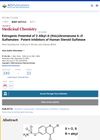
September 2003 in “Journal of Medicinal Chemistry” A substance called Compound 2g can strongly block STS (a hormone-related enzyme) without affecting estrogen levels, making it potentially good for treating breast cancer.
23 citations
,
December 2013 in “Molecular cancer therapeutics” Breast cancer treatments work better with AR activation, improving results and reducing side effects.
21 citations
,
April 2016 in “International Journal of Oncology” GnRH treatment can reduce breast cancer cell invasion.
 1 citations
,
November 2019 in “Archives of breast cancer”
1 citations
,
November 2019 in “Archives of breast cancer” Some hormone treatments might raise breast cancer risk, while others don't seem to.
January 2018 in “Refubium (Universitätsbibliothek der Freien Universität Berlin)” Chemotherapy causes temporary hair loss in women, while Tamoxifen does not significantly affect hair, and genetics show no link between female pattern hair loss and common baldness genes.
A portable imaging system shows promise for diagnosing skin diseases and checking laser treatment effects.
 22 citations
,
November 2005 in “BMC Cancer”
22 citations
,
November 2005 in “BMC Cancer” Gemcitabine and paclitaxel are effective and safe as first-line treatment for metastatic breast cancer.
6 citations
,
June 1983 in “Cancer” A six-drug treatment for metastatic breast cancer showed promising results with low side effects, especially in premenopausal women.
MVP treatment is effective and safe for recurrent breast cancer.
 30 citations
,
April 2002 in “Archives of Dermatology”
30 citations
,
April 2002 in “Archives of Dermatology” Finasteride can cause one-sided breast enlargement, which disappears after stopping the drug.
26 citations
,
July 2012 in “Endocrine Connections” Mitotane changes steroid breakdown, affecting cortisol availability.
 1 citations
,
December 2013 in “Urological Science”
1 citations
,
December 2013 in “Urological Science” A man developed male breast cancer after four years of finasteride treatment for an enlarged prostate.
 1 citations
,
April 2018 in “Lasers in Surgery and Medicine”
1 citations
,
April 2018 in “Lasers in Surgery and Medicine” New treatments and technologies in laser medicine show promise for improving skin conditions, fat reduction, cancer treatment, wound healing, and hair restoration.
 14 citations
,
January 2020 in “International Journal of Biological Sciences”
14 citations
,
January 2020 in “International Journal of Biological Sciences” Multiphoton microscopy can effectively assess breast cancer treatment responses without labels.
 90 citations
,
December 2007 in “Current Oncology”
90 citations
,
December 2007 in “Current Oncology” Non-hormonal treatments should be used first for sexual dysfunction in postmenopausal breast cancer patients on aromatase inhibitors, with hormones as a second option.
 1 citations
,
August 2017 in “Semiotica”
1 citations
,
August 2017 in “Semiotica” The paper concludes that breast cancer treatment involves complex interactions between medical symptoms, patient experiences, and commercial influences, requiring a holistic approach.
 September 2014 in “Springer eBooks”
 The document concludes that breast pain should be managed with personalized treatment, starting with non-drug methods and progressing to medication if necessary, while considering side effects and patient needs.
1 citations
,
February 2025 in “Supportive Care in Cancer” Safe treatments like minoxidil and spironolactone can help manage hair loss in breast cancer patients without increasing cancer risk.
 March 2026 in “Journal of Personalized Medicine”
 Genetic differences affect breast cancer treatment success with tamoxifen in South African patients.
September 2007 in “MacSphere (McMaster University)” New biomarkers and targets for breast cancer treatment were identified to help prevent relapse and metastasis.
 4 citations
,
August 2014 in “Journal of molecular structure”
4 citations
,
August 2014 in “Journal of molecular structure” Chemical treatments on bleached black hair change its internal structure by breaking and reforming bonds, and treatments with hydrolyzed eggwhite protein help repair it.
3 citations
,
October 2013 in “International Journal of Rheumatic Diseases” A young woman with severe symptoms of CPAN improved with intensive treatment but needed a leg amputation.
January 2026 in “Journal of Clinical and Investigative Dermatology” Verilich serum effectively and safely improves hair loss treatment.
May 2018 in “Journal of Clinical Oncology” The treatment is safe and shows promise for metastatic breast cancer.
 59 citations
,
August 2018 in “The oncologist”
59 citations
,
August 2018 in “The oncologist” Some breast cancer patients still experience hair loss three years after chemotherapy, especially with taxane-based treatments.
8 citations
,
January 2020 in “Evidence-based Complementary and Alternative Medicine” Cinobufacin with chemotherapy improves treatment response and quality of life in advanced breast cancer patients while reducing some side effects.
 7 citations
,
May 2016 in “SpringerPlus”
7 citations
,
May 2016 in “SpringerPlus” Some breast cancer patients on hormone therapy experience hair loss, and treatments like certain topical inhibitors and supplements may help without harming their cancer prognosis.
 68 citations
,
April 2014 in “Journal of Molecular Endocrinology”
68 citations
,
April 2014 in “Journal of Molecular Endocrinology” The document concludes that targeting the androgen receptor may be a promising breast cancer treatment, especially for certain types.
 5 citations
,
June 2022 in “Frontiers in Endocrinology”
5 citations
,
June 2022 in “Frontiers in Endocrinology” Research from 2011 to 2020 shows androgen receptors could be key for prognosis and treatment in certain breast cancers.