 1 citations
,
December 2015 in “Dermatologic Surgery”
1 citations
,
December 2015 in “Dermatologic Surgery” Double trichophytic closure effectively treats thin scalp scars and reduces patient costs.
 June 2026 in “Journal of health economics and outcomes research”
 Ritlecitinib is more effective and cheaper than baricitinib for treating severe alopecia areata.
5 citations
,
November 2010 in “Veterinary Record” The monkeys' skin infection was cured in eight weeks using oral terbinafine, topical washes, and disinfectant fogging.
 2 citations
,
January 2017 in “Journal of Cosmetics, Dermatological Sciences and Applications”
2 citations
,
January 2017 in “Journal of Cosmetics, Dermatological Sciences and Applications” TrichoTech™ may help hair growth and skin repair by increasing fibroblast growth and activity.
 September 2025 in “Tạp chí Da liễu học Việt Nam”
 2.5 mg/mL TAC is as effective and safe as 5 mg/mL, but 5 mg/mL may improve hair regrowth and density more.
7 citations
,
September 2024 in “The Journal of Dermatology” Ritlecitinib helps regrow hair in people with alopecia totalis and universalis and is safe to use.
December 2016 in “Indonesian Journal of Tropical and Infectious Disease/Indonesian Journal of Tropical an Infectious Disease” Double pulse dose terbinafine effectively treats kerion type of tinea capitis.
 26 citations
,
September 2016 in “International Journal of Dermatology”
26 citations
,
September 2016 in “International Journal of Dermatology” Trichoscopy is good for telling apart tinea capitis and alopecia areata in kids.
 September 2025 in “JAAD International”
 Thrice-weekly dutasteride improved hair density and thickness more than twice-weekly, but not hair count compared to daily finasteride.
3 citations
,
November 2020 in “Dermatologic Therapy” Start with 2.5 mg/mL triamcinolone acetonide for scalp alopecia areata and increase if needed.
March 2026 in “Mendeley Data” March 2026 in “Mendeley Data”  February 2026 in “Cureus”
 Two methods reliably measure scalp area and hair count.
January 2013 in “CINECA IRIS Institutial research information system (University of Pisa)” 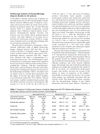 46 citations
,
January 2015 in “Journal of The American Academy of Dermatology”
46 citations
,
January 2015 in “Journal of The American Academy of Dermatology” Trichoscopy helps diagnose and assess the severity of Frontal Fibrosing Alopecia.
36 citations
,
July 2017 in “Journal of controlled release” A new method allows for controlled, long-lasting delivery of retinoic acid through the skin with fewer side effects.
3 citations
,
August 2022 in “International Journal of Molecular Sciences” TSC2-/meth cells can cause skin lesions, hair growth, and lung issues, and may be treated with chromatin remodeling agents.
3 citations
,
March 2016 in “Practical radiation oncology” Total skin electron therapy is an effective treatment for mycosis fungoides, balancing effectiveness and side effects.
 December 2022 in “Research journal of topical and cosmetic sciences”
 TRICHONEM™ hair wash powder effectively treats dandruff and promotes hair growth.
 3 citations
,
May 2023 in “International Journal of Molecular Sciences”
3 citations
,
May 2023 in “International Journal of Molecular Sciences” A new treatment using nanoparticles can effectively prevent and reduce hair loss caused by chemotherapy.
January 2026 in “Dermatologic Therapy” Ritlecitinib is effective and safe for treating severe alopecia areata, showing significant hair regrowth and improved mental health.
June 2015 in “Turkish Journal of Dermatology” Trichoscopy helps diagnose different hair diseases effectively.
1 citations
,
January 2016 in “Journal of Clinical & Experimental Dermatology Research”  21 citations
,
April 2015 in “Psychology Research and Behavior Management”
21 citations
,
April 2015 in “Psychology Research and Behavior Management” Cognitive-behavioral therapy is the best treatment for hair-pulling disorder, and combining it with other therapies could improve results.
 July 2018 in “Hair transplant forum international”
 To prevent thinning in the donor area, harvest less than 50% of the original hair density in repeat hair transplants.
10 citations
,
January 1925 in “Archives of Dermatology” Trichostasis spinulosa is a rare skin condition with hair-filled plugs in hair follicles.
 46 citations
,
April 2009 in “Journal of Dermatological Case Reports”
46 citations
,
April 2009 in “Journal of Dermatological Case Reports” Researchers established normal hair and scalp characteristics for healthy women using trichoscopy.
 43 citations
,
August 2013 in “Pediatric Dermatology”
43 citations
,
August 2013 in “Pediatric Dermatology” Trichoscopy is good for diagnosing and monitoring hair and scalp problems in children but needs more research for certain conditions.
37 citations
,
January 1986 in “Carcinogenesis” ODC expression in mouse skin and tumors is varied and can be inhibited by retinoic acid or cycloheximide.
11 citations
,
December 2002 in “Controlled Clinical Trials” Simple methods using DHT levels effectively assess compliance.