April 2011 in “The Journal of Urology” Finasteride effectively reduced priapism episodes in children with sickle cell disease without side effects.
 September 2024 in “International Journal For Multidisciplinary Research”
 Tridax procumbens shows potential for various health benefits but needs more scientific research.
 July 2024 in “Open Repository of the University of Porto (University of Porto)”
 Dutasteride is more effective than finasteride for hair growth, and pregabalin effectively treats neuropathic pain.
 38 citations
,
November 2005 in “Epilepsia”
38 citations
,
November 2005 in “Epilepsia” Levetiracetam is widely used and generally well-tolerated for treating idiopathic generalized epilepsies, with tiredness as the main side effect.
November 2024 in “Actas Dermo-Sifiliográficas” N-acetylcysteine and memantine are recommended as safe and effective treatments for trichotillomania.
 November 2025 in “SKIN The Journal of Cutaneous Medicine”
 Baricitinib works better in adolescents than adults for treating severe alopecia areata.
 February 2018 in “The Journal of Sexual Medicine”
 Natesto nasal gel improves erectile function and mood in men with low testosterone within 30 days.
 6 citations
,
December 1996 in “The Journal of Clinical Pharmacology”
6 citations
,
December 1996 in “The Journal of Clinical Pharmacology” Terazosin and finasteride together cause no major issues.
 32 citations
,
October 2004 in “Pharmacotherapy”
32 citations
,
October 2004 in “Pharmacotherapy” Peginterferon alfa-2b and ribavirin therapy for hepatitis C can cause serious side effects, some different from those reported in clinical trials.
August 2026 in “Revista Medicina Cutánea Ibero-Latino-Americana” Methotrexate is effective, safe, and affordable for treating skin conditions in children.
19 citations
,
November 1979 in “Archives of dermatology” Tretinoin may be effective for treating Fox-Fordyce disease.
 June 2025 in “International Journal of Research in Dermatology”
 The combination of tretinoin gel and minoxidil effectively improves hair growth and satisfaction in people with androgenetic alopecia.
January 2006 in “Zhongguo yaofang” Qianliekang and liuweidihuangwan are cheaper for BPH treatment than finasteride and tamsulosin.
Acitretin improved monilethrix symptoms temporarily, but they returned after stopping treatment.
3 citations
,
November 2019 in “Journal of dermatology” Itraconazole effectively treated a woman's painful skin condition and hair loss.
June 2014 in “Dermatology Times E-News” An arthritis drug helped a person with severe hair loss regrow their hair.
43 citations
,
November 2009 in “Archives of dermatology” Alefacept does not effectively treat severe alopecia areata.
January 2008 in “Central South Pharmacy” A reliable method was developed to measure candesartan in human plasma.
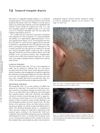 April 2012 in “Informa Healthcare eBooks”
 Temporal triangular alopecia is a lifelong condition with hairless patches on the side of the head that may be present from birth.
2 citations
,
October 2021 in “Journal of Cosmetic Dermatology” Finasteride is more effective and satisfactory than montelukast for treating moderate acne in women.
September 2019 in “Pakistan Journal of Pharmaceutical Sciences” Combining pemetrexed with platinum drugs improves treatment outcomes and quality of life for elderly patients with advanced lung adenocarcinoma.
 2 citations
,
January 2012 in “Journal of The Chilean Chemical Society”
2 citations
,
January 2012 in “Journal of The Chilean Chemical Society” New method accurately measures finasteride in tablets and bulk.
2 citations
,
October 2016 in “European Neuropsychopharmacology”  July 2024 in “Age and Ageing”
 Men taking dutasteride may have a higher risk of age-related macular degeneration.
 May 1963 in “American journal of obstetrics and gynecology”
 Injecting 2 ml of TEEV every 4 weeks is better because it has the same benefits but fewer side effects.
14 citations
,
October 2015 in “Neurochemistry International” Letrozole may help prevent seizures by reducing certain hormone levels.
 March 2026 in “Journal of Clinical and Basic Psychosomatics”
 Tianmeng oral liquid may help with insomnia, anxiety, and depression.
 January 2020 in “International Journal of Research in Pharmacy and Chemistry”
 A reliable method was created to measure dutasteride and related molecules in capsules.
 March 2024 in “Clinical, cosmetic and investigational dermatology”
 Tofacitinib successfully treated vitiligo in a patient with lupus without side effects.
 March 2026 in “Frontiers in Bioscience-Elite”
 Duloxetine, escitalopram, and finasteride may be effective against bacteria and fungi.