 February 2009 in “Springer eBooks”
 Hyperpigmentation is common in pregnancy and may not fully fade after birth; melasma, also frequent, can persist but has limited treatment options during pregnancy.
January 2009 in “Journal of Zhengzhou University” LAIC cream can improve acne by making skin thinner and softer.
CDPDFM can improve acne symptoms in rabbit ears.
 September 1999 in “The Journal of The British Menopause Society”
 The document concludes that skin aging in women can be caused by UV exposure and hormonal changes, and treatments like hormone replacement therapy and various skin therapies can help.
July 1996 in “Hair transplant forum international” Using tretinoin and hydroquinone can speed up the fading of skin pigmentation.
 January 1989 in “Journal of The American Academy of Dermatology”
 Dr. Jorizzo questions the long-term benefits of minoxidil and tretinoin, while Dr. Olsen defends their effectiveness and stresses the need for public education on these treatments.
 January 1989 in “Journal of The American Academy of Dermatology”
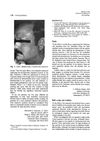
 Dr. Hanke acknowledges the success of CO₂ laser for less severe blast tattoos and suggests dermabrasion for more extensive injuries, while also discussing dermatology's media presence and issues with minoxidil research.
 September 1988 in “Inpharma (Balgowlah)”
 Retinoids are effective for acne but can cause serious side effects.
 January 1982 in “Side effects of drugs annual”
 High doses of certain vitamins can cause serious side effects and health risks.
May 2025 in “International Journal of Trichology” Hair Heat Disease is caused by wet, oily hair and friction in hot, humid conditions.
January 2011 in “The Chinese Journal of Dermatovenereology” Curcuma anti-acne gel effectively reduces acne symptoms.
February 2023 in “Journal of Aesthetic Nursing” Various hair restoration methods can effectively promote hair growth.
5% minoxidil is safe and effective for treating male hair loss.
 June 1996 in “Archives of Dermatology”
 Using a mix of finasteride and minoxidil can significantly regrow hair in men with pattern baldness.
 June 1996 in “Archives of Dermatology”
 Minoxidil, tretinoin, and finasteride may help hair regrowth in mild to moderate androgenetic alopecia.
 4 citations
,
May 1999 in “PubMed”
4 citations
,
May 1999 in “PubMed” Some medications can cause reversible hair loss by affecting hair growth cycles.
27 citations
,
February 1988 in “Journal of the American Academy of Dermatology” The skin condition Ulerythema ophryogenes did not improve with treatment in a patient with other birth defects.
2 citations
,
May 2014 in “PubMed” A 10-year-old boy was diagnosed with a rare scalp condition causing hair loss and treated with a topical cream.
 December 2023 in “Farmateka”
 Minoxidil is an effective and safe treatment for common hair loss when applied to the skin, but more research is needed for optimal use.
January 1989 in “Handbook of experimental pharmacology” Drugs can change hair growth and this is important because it can upset people.
1 citations
,
December 1989 in “PubMed” Tretinoin's effectiveness for hair loss is unclear and needs more research.
10 citations
,
June 2011 in “PubMed” Most skin care products are safe during pregnancy, but avoid hydroquinone and tretinoin.
35 citations
,
October 2000 in “Dermatologic clinics” A scarring hair loss condition mainly affects middle-aged women of African descent, impacting their quality of life, with treatments more effective when started early.
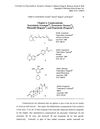
Isotretinoin and tazarotene help treat acne, while minoxidil and finasteride promote hair growth.
 March 2024 in “Ukraïnsʹkij žurnal dermatologìï, venerologìï, kosmetologìï”
 Topical retinoids are important for treating acne effectively and safely.
 53 citations
,
October 1993 in “Drug Safety”
53 citations
,
October 1993 in “Drug Safety” Oral retinoids can cause side effects ranging from mild to severe, including birth defects, and require careful monitoring and contraception.
 108 citations
,
November 1980 in “British Journal of Dermatology”
108 citations
,
November 1980 in “British Journal of Dermatology” Oral retinoids are effective for various skin conditions but have side effects and should not be used during pregnancy.
 31 citations
,
January 1981 in “Pharmacology & Therapeutics”
31 citations
,
January 1981 in “Pharmacology & Therapeutics” Oral retinoids are effective for treating severe skin disorders but have reversible side effects and risks for pregnant women.
 1 citations
,
March 2011 in “Informa Healthcare eBooks”
1 citations
,
March 2011 in “Informa Healthcare eBooks” Isotretinoin is a preferred treatment for severe acne, often leading to long-term improvement, but requires careful monitoring due to potential side effects.
 July 1988 in “Journal of The American Academy of Dermatology”
 Various dermatologic treatments were effective for skin conditions like acne, rosacea, hair loss, and psoriasis from December 1986 to December 1987.