 46 citations
,
August 1990 in “The Journal of clinical endocrinology and metabolism/Journal of clinical endocrinology & metabolism”
46 citations
,
August 1990 in “The Journal of clinical endocrinology and metabolism/Journal of clinical endocrinology & metabolism” Ketoconazole reduced hair growth and improved acne in women, but caused side effects needing careful monitoring.
 17 citations
,
January 2009 in “Nippon Ishinkin Gakkai Zasshi”
17 citations
,
January 2009 in “Nippon Ishinkin Gakkai Zasshi” A 10-year-old boy recovered from a scalp infection caused by a fungus after treatment with itraconazole.
 October 2023 in “Benha Journal of Applied Sciences”
 Methotrexate and vitamin D3 are potentially more effective and safer than triamcinolone for treating localized alopecia areata.
 24 citations
,
September 1996 in “Mycoses”
24 citations
,
September 1996 in “Mycoses” Androgenic steroids can slow down or stop the growth of certain skin fungi.
3 citations
,
May 2007 in “Pediatrics in review” Ringworm of the body and scalp is treated with antifungal creams and oral medication, and children with scalp ringworm don't need to miss school.
December 2020 in “Jurnal RSMH Palembang (Online)” A man with a fungal scalp infection got better after treatment with griseofulvin, cetirizine, and ketoconazole shampoo.
 July 2025 in “Journal of the Pakistan Medical Association”
 Combining TCA with 5-FU is more effective and safer for treating keloids than TCA alone.
63 citations
,
September 1995 in “Annals of internal medicine” Fluconazole can cause temporary hair loss, which stops after reducing or stopping the drug.
2 citations
,
May 2024 in “International Journal of Dermatology” 75 citations
,
September 1971 in “British Journal of Dermatology” Both steroids effectively promote hair growth for at least 9 months.
October 2010 in “EUR Research Repository (Erasmus University Rotterdam)” A fungal skin infection was successfully treated with medication and compression therapy.
 March 2026 in “Frontiers in Bioscience-Elite”
 Duloxetine, escitalopram, and finasteride may be effective against bacteria and fungi.
10 citations
,
March 2008 in “Journal of Zoo and Wildlife Medicine” A special clotrimazole varnish cured a siamang's persistent skin infection after 3 months.
 1 citations
,
January 2016 in “Open Forum Infectious Diseases”
1 citations
,
January 2016 in “Open Forum Infectious Diseases” Retinoic acid is not linked to hair loss from fluconazole use.
April 2023 in “Medicina Clínica (english Edition)”  October 2025 in “Indian Dermatology Online Journal”
 2.5 mg/ml of triamcinolone acetonide is more effective for treating alopecia areata.
 2 citations
,
December 2020 in “American Journal of Dermatological Research and Reviews”
2 citations
,
December 2020 in “American Journal of Dermatological Research and Reviews” The combination therapy was effective and well-tolerated, especially in young patients.
December 2020 in “Forum Dermatologicum” Intralesional triamcinolone acetonide can effectively limit the progression of GLPLS.
12 citations
,
June 2011 in “Journal of Dermatological Case Reports” Shaving, erythromycin cream, and clotrimazole powder effectively treated the bad odor and rough hair.
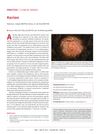 10 citations
,
May 2017 in “CMAJ. Canadian Medical Association journal”
10 citations
,
May 2017 in “CMAJ. Canadian Medical Association journal” The boy had a fungal scalp infection called kerion, which was cured with oral antifungal medication.
1 citations
,
July 2024 in “Clinical Case Reports” An 8-year-old with scalp fungus was successfully treated with Terbinafine, preventing hair loss and spread.
2 citations
,
January 1983 in “Archives of Dermatology” A 3-year-old boy's scalp infection was treated with ketoconazole.
 March 2014 in “Journal of The American Academy of Dermatology”
 Terbinafine 250 mg is the most effective treatment for fungal nail infections.
March 2023 in “Reactions Weekly”  1 citations
,
August 2025 in “Journal of Neonatal Surgery”
1 citations
,
August 2025 in “Journal of Neonatal Surgery” The nanogel with Ciclopirox Olamine is a promising treatment for skin yeast infections.
6 citations
,
November 2020 in “Clinical Cosmetic and Investigational Dermatology” Both concentrations of triamcinolone acetonide are effective for hair regrowth in patchy alopecia areata, but 5 mg/mL is recommended to reduce side effects.
51 citations
,
July 2003 in “Annals of the Rheumatic Diseases” Co-trimoxazole may help treat autoimmune diseases.
A fungal infection caused the skin issue, and it was cured with antifungal treatment.
 April 2012 in “Journal of the American Academy of Dermatology”
 Clofazimine may be effective for treating ashy dermatosis.
10 citations
,
April 1964 in “Journal of the American Geriatrics Society” Triamcinolone acetonide injections effectively treat skin disorders like eczema and psoriasis.