1 citations
,
July 2024 in “Journal of Investigative Dermatology” TAK-279 effectively reduces psoriasis symptoms and is safe.
51 citations
,
September 2012 in “Biomacromolecules” Disulfide bonds make keratin in hair stronger and tougher.
 14 citations
,
June 1952 in “The BMJ”
14 citations
,
June 1952 in “The BMJ” Phenobarbitone can cause severe and sometimes fatal skin reactions.
 2 citations
,
February 2018 in “InTech eBooks”
2 citations
,
February 2018 in “InTech eBooks” TNF-alpha inhibitors can cause various immune-related skin issues.
 6 citations
,
October 2012 in “Journal of Heredity”
6 citations
,
October 2012 in “Journal of Heredity” The Itpr3 gene causes a specific hair pattern in mice.
 April 2018 in “Journal of Investigative Dermatology”
 Aging reduces skin cell renewal and defense against germs due to TGFbeta, but blocking TGFbeta could help restore these functions.
 17 citations
,
January 2019 in “International journal of biological sciences”
17 citations
,
January 2019 in “International journal of biological sciences” Researchers used CRISPR/Cas9 to create a goat with a gene that increased cashmere production by 74.5% without affecting quality.
31 citations
,
October 2010 in “BMB Reports” L-threonate may help prevent balding by blocking a key protein.
 January 2016 in “Chemistry & Industry”
 Two drugs, tofacitinib and ruxolitinib, may help regrow hair by activating hair follicles.
2 citations
,
October 2022 in “Dermatologic Therapy” Baricitinib may effectively treat lichen planopilaris.
 24 citations
,
October 2018 in “JAAD Case Reports”
24 citations
,
October 2018 in “JAAD Case Reports” A woman's eyelash regrowth was successful using tofacitinib solution for alopecia areata.
138 citations
,
November 1977 in “Biochimica et Biophysica Acta (BBA) - Proteins and Proteomics”  18 citations
,
May 1988 in “Journal of The American Academy of Dermatology”
18 citations
,
May 1988 in “Journal of The American Academy of Dermatology” Itraconazole helps improve tough skin infections but may not prevent them from coming back.
75 citations
,
January 1980 in “Journal of Investigative Dermatology” 1 citations
,
August 2024 in “JAAD Case Reports” Tick bites can cause hair loss similar to alopecia areata, and baricitinib may help regrow hair.
July 2024 in “Journal of Investigative Dermatology” Biosimilars lower costs but don't significantly improve access.
March 2026 in “ACS Applied Bio Materials” The TO-TF copolymer strengthens damaged hair effectively and sustainably.
April 2016 in “The journal of investigative dermatology/Journal of investigative dermatology” Laminin-511 is involved in psoriasis development and can be regulated by cannabinoid receptor type 1.
35 citations
,
November 1989 in “Journal of steroid biochemistry/Journal of Steroid Biochemistry” Epitestosterone may act as a weak antiandrogen and can inhibit an enzyme involved in testosterone metabolism.
June 2025 in “British Journal of Dermatology” Tofacitinib is more effective than methotrexate for treating moderate-to-severe alopecia areata.
 May 2024 in “Indian Dermatology Online Journal”
 A rare bacterial infection of pubic hair can cause strong genital odor, but trimming hair and using clindamycin can quickly fix it.
 January 2001 in “Biomedical Research”
 THH and PAD type III appear together early in hair growth, but deiminated THH appears later, suggesting another factor is involved.
 5 citations
,
May 2022 in “Biomedicines”
5 citations
,
May 2022 in “Biomedicines” Botryococcus terribilis and its compounds may promote hair growth and improve hair health.
 August 2026 in “International Journal of Pharmaceutical and Clinical Research”
 Gene therapy and new treatments offer hope for HTRA1-related disorders.
 April 2024 in “JEADV clinical practice”
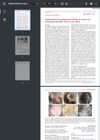
 Upadacitinib significantly improved both rheumatoid arthritis and alopecia areata in a patient.
 2 citations
,
May 2023 in “Life”
2 citations
,
May 2023 in “Life” Plumbagin may help protect cells, reduce inflammation, and has potential for treating various diseases, but more research is needed.
Teprotumumab for thyroid eye disease commonly causes fatigue, brittle nails, dry eyes, hair loss, muscle spasms, and dry mouth, with rare serious events like blood clots.
12 citations
,
January 2019 in “AIP conference proceedings” Propolis from Tetragonula biroi bees may help fight cancer cells.
 February 2025 in “International Journal of STD & AIDS”
 Tofacitinib can cause unusual hair growth, requiring careful monitoring and possible laser hair removal.
188 citations
,
October 2014 in “Thyroid” Dabrafenib was effective and well tolerated in treating thyroid cancer with a specific mutation.