 1 citations
,
April 2017 in “Journal of Investigative Dermatology”
1 citations
,
April 2017 in “Journal of Investigative Dermatology” Tofacitinib may help regrow hair in severe alopecia areata, but results differ greatly between people.
 16 citations
,
March 2013 in “The Journal of Dermatology”
16 citations
,
March 2013 in “The Journal of Dermatology” Low TRPS1 expression in skin and hair cells is linked to hair problems in Trichorhinophalangeal syndrome.
 June 2026 in “Journal of health economics and outcomes research”
 Ritlecitinib is more effective and cheaper than baricitinib for treating severe alopecia areata.
1 citations
,
January 1980 in “Acta Dermato Venereologica” Oral tetracycline reduces fat breakdown in hair lipids.
1 citations
,
April 2025 in “Journal of Cosmetic Dermatology” The serum improves facial skin quality safely and effectively.
 26 citations
,
May 2014 in “BioEssays”
26 citations
,
May 2014 in “BioEssays” Using neurohormones to control keratin can lead to new skin disease treatments.
 April 2024 in “Clinical and experimental dermatology”
 Tofacitinib is effective for severe alopecia areata, similar to oral betamethasone.
1 citations
,
February 2025 in “International Journal of Molecular Sciences” HMBi supplementation boosts cashmere growth by affecting specific metabolic and signaling pathways in goats.
 14 citations
,
April 2021 in “Biology”
14 citations
,
April 2021 in “Biology” Thai rice bran extracts, especially from Tubtim Chumphae rice, can significantly reduce the activity of hair loss genes, with x-tocopherol showing potential as an anti-hair loss product.
January 2026 in “Surgical & Cosmetic Dermatology”  1 citations
,
January 2025 in “medRxiv”
1 citations
,
January 2025 in “medRxiv” Trichotillomania may have a genetic link to psychiatric disorders.
 November 2025 in “Turkish Journal of Dermatology”
 Both baricitinib and tofacitinib effectively reduce alopecia areata severity, with tofacitinib showing more improvement over longer use.
 September 2024 in “Skin Appendage Disorders”
 Tofacitinib helped a woman regrow her hair without relapses after other treatments failed.
 November 2022 in “Journal of Investigative Dermatology”
 Low oxygen levels affect the behavior of certain proteins in human skin cells.
 45 citations
,
October 2008 in “Cytokine & Growth Factor Reviews”
45 citations
,
October 2008 in “Cytokine & Growth Factor Reviews” Activins and follistatins, part of the TGFβ family, are crucial for hair follicle development and skin health, affecting growth, repair, and the hair cycle.
36 citations
,
December 2021 in “The journal of allergy and clinical immunology/Journal of allergy and clinical immunology/The journal of allergy and clinical immunology” Two drugs, ritlecitinib and brepocitinib, improved scalp hair loss condition markers.
 6 citations
,
September 2012 in “Clinical Interventions in Aging”
6 citations
,
September 2012 in “Clinical Interventions in Aging” Honokiol might help reduce male skin aging by maintaining testosterone levels.
 4 citations
,
January 2018 in “JEADV. Journal of the European Academy of Dermatology and Venereology/Journal of the European Academy of Dermatology and Venereology”
4 citations
,
January 2018 in “JEADV. Journal of the European Academy of Dermatology and Venereology/Journal of the European Academy of Dermatology and Venereology” Panitumumab can cause excessive ear hair growth.
6 citations
,
January 2010 in “Journal of Biochemical and Molecular Toxicology” The ID2 gene can help distinguish between sensitizers and irritants in skin cells.
 December 2024 in “Frontiers in Pediatrics”
 Baricitinib improved platelet counts and alopecia in a 16-year-old with chronic immune thrombocytopenia.
2 citations
,
April 2008 in “PubMed” A gene mutation causes monilethrix in a Chinese family.
October 2025 in “Diagnostics” Temporal triangular alopecia is a harmless, non-progressive hair loss condition.
8 citations
,
January 2025 in “JADA Foundational Science” Photobiomodulation therapy can reduce pain and inflammation and help heal tissues, but more research is needed to improve its effectiveness and safety.
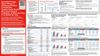 November 2025 in “SKIN The Journal of Cutaneous Medicine”
 Baricitinib works better in adolescents than adults for treating severe alopecia areata.
1 citations
,
December 2024 in “Archives of Iranian Medicine” Tofacitinib may help treat Lichen Planopilaris, but more research is needed.
April 1996 in “Journal of Dermatological Science” December 2025 in “Pediatric Dermatology” Trametinib can cause skin issues, but they can often be managed without stopping the drug.
 7 citations
,
June 2010 in “Journal of The American Academy of Dermatology”
7 citations
,
June 2010 in “Journal of The American Academy of Dermatology” Tranilast successfully treated a man's skin sarcoidosis when other treatments failed.
13 citations
,
April 1982 in “The Journal of Dermatology” Poly(ADP-ribose) synthesis is linked to skin cell differentiation.
26 citations
,
August 2018 in “Journal of Investigative Dermatology” Activating TRPV3 reduces skin oil production and increases inflammation, potentially causing dry skin issues.