 January 2023 in “Al-Azhar International Medical Journal /Al-Azhar International Medical Journal”
 Panoramic Trichoscopy is a new, better way to assess widespread hair loss.
 August 2017 in “Journal of evolution of medical and dental sciences”
 Trichoscopy is effective for diagnosing different types of non-scarring hair loss.
 March 2025 in “Journal of Cosmetic Dermatology”
 Thermus thermophilus extract improves hair growth and scalp health in men with hair loss.
 6 citations
,
July 2018 in “Scientific Reports”
6 citations
,
July 2018 in “Scientific Reports” Methamphetamine affects gene expression in rat whisker follicles, with key genes linked to addiction.
 July 2025 in “Communications Biology”
 Rat vibrissae structure relates to their sensory function.
 2 citations
,
January 2022 in “Clinical, Cosmetic and Investigational Dermatology”
2 citations
,
January 2022 in “Clinical, Cosmetic and Investigational Dermatology” The refined wash test is a reliable way to measure daily hair loss and can tell the difference between different types of hair loss.
 April 2017 in “Journal of Investigative Dermatology”
 Triptolide effectively and safely reduces actinic keratosis lesions in mice.
January 2022 in “Social Science Research Network” Potassium channel modulators mostly increase the activity of rat whisker mechanoreceptors.
January 2026 in “Dermatologic Therapy” Higher RBP4 levels are linked to severe alopecia areata, but genetic variant rs3758539 doesn't affect baricitinib response.
46 citations
,
November 2007 in “Gene Expression Patterns” Trps1 plays a key role in hair follicle development and cycling.
3 citations
,
October 2023 in “Journal of Pain” Certain proteins might predict surgical success in trigeminal neuralgia treatment.
October 2025 in “Frontiers in Artificial Intelligence” "HairSentinel" accurately detects hairfall trends using simple user data, helping identify health risks early.
 2 citations
,
May 2022 in “Clinical, Cosmetic and Investigational Dermatology”
2 citations
,
May 2022 in “Clinical, Cosmetic and Investigational Dermatology” Trichoscopy and pathological examination both have unique benefits and cannot completely replace each other in evaluating hair.
November 2025 in “OPAL (Open@LaTrobe) (La Trobe University)” A new method helps find proteins in hair to identify fetal growth issues.
 143 citations
,
October 2008 in “Journal of The American Academy of Dermatology”
143 citations
,
October 2008 in “Journal of The American Academy of Dermatology” Comma hairs are a specific sign of tinea capitis when viewed with videodermatoscopy.
3 citations
,
January 2021 in “Molecular genetics & genomic medicine” The study found two new mutations in a Chinese patient with severe biotinidase deficiency.
November 2024 in “Journal of Investigative Dermatology” Microfluidic models improve testing for aging, wound healing, and oral tissue, reducing animal testing.
 March 2026 in “Saudi Journal of Pathology and Microbiology”
 Personalized genomic interventions can effectively manage chronic hair loss.
April 2026 in “Meditsinskiy sovet = Medical Council” Tofacitinib and baricitinib are similarly effective and safe for alopecia areata, but baricitinib works faster.
13 citations
,
August 2021 in “Frontiers in Aging Neuroscience” Hearing decline in SAMP8 mice starts before outer hair cell loss and may be linked to other changes.
 39 citations
,
June 2017 in “Scientific Reports”
39 citations
,
June 2017 in “Scientific Reports” Different lab conditions and light treatment methods change how human skin cells respond to light therapy.
 11 citations
,
January 2018 in “Acta dermato-venereologica”
11 citations
,
January 2018 in “Acta dermato-venereologica” Tofacitinib works better and is more tolerable for severe alopecia than conventional treatments and DPCP immunotherapy.
3 citations
,
December 2021 in “Skin research and technology” Higher hair luminosity and shine mean higher perceived transparency.
 April 2025 in “Journal of Cosmetic Dermatology”
 The device safely increased hair growth and thickness in men with hair loss.
January 2025 in “SSRN Electronic Journal” 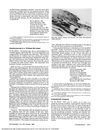 October 1990 in “Archives of Dermatology”
 Hair loss and growth can be accurately measured using computer-assisted counting.
19 citations
,
July 1997 in “British Journal of Dermatology” LHTric-1 is a specific antibody useful for studying hair and nail formation.