The combination of high-dose toremifene and capecitabine was effective for advanced recurrent breast cancer.
 2 citations
,
March 2020 in “Skin”
2 citations
,
March 2020 in “Skin” Using cidofovir cream for a rare skin disease can cause skin darkening.
 2 citations
,
January 2025 in “Сибирский научный медицинский журнал”
2 citations
,
January 2025 in “Сибирский научный медицинский журнал” TS-13 effectively stops tumor growth and reduces chemotherapy side effects.
 February 2026 in “Cureus”
 Ciclosporin can cause excessive hair growth even with testosterone blockers.
5 citations
,
July 1996 in “Journal of Cutaneous Medicine and Surgery” TTD patients don't have a higher skin cancer risk because their main issue is with transcription, not DNA repair.
2 citations
,
January 1989 Tay syndrome is a unique genetic disorder causing skin, hair, and developmental issues.
The treatment was not recommended due to limited effectiveness and significant side effects.
April 2026 in “Reviews in Medical Virology” Trichodysplasia spinulosa is a rare skin condition linked to weakened immune systems, mostly in organ transplant patients.
22 citations
,
November 2002 in “Clinical journal of oncology nursing” Arsenic trioxide effectively treats relapsed acute promyelocytic leukemia with manageable side effects.
November 2025 in “Clinical Cosmetic and Investigational Dermatology” Sonidegib effectively treated basal cell carcinoma in a patient with lupus without worsening lupus symptoms.
2 citations
,
September 2021 in “JAAD case reports” A man with a weakened immune system was diagnosed with a rare skin condition called trichodysplasia spinulosa using skin examination techniques.
2 citations
,
March 2010 in “Acta Biochimica Polonica” Raltitrexed conjugates are less potent than the free drug but more effective at high concentrations.
 18 citations
,
February 2006 in “Brain & development”
18 citations
,
February 2006 in “Brain & development” A patient with Satoyoshi syndrome improved with a treatment combining several medications, including carbamazepine and methotrexate.
22 citations
,
May 2011 in “European Journal of Cancer” The drug combination was safe and showed promise in treating advanced tumors.
3 citations
,
June 2018 in “Internal Medicine” Recombinant thrombomodulin can effectively treat severe complications in Cronkhite-Canada syndrome.
 April 2023 in “Tikrit Journal of Pharmaceutical Sciences”
 Deferasirox effectively reduces iron overload in ß-thalassemia patients but may cause some manageable side effects.
 February 2023 in “JAAD case reports”
 Reducing immunosuppression and using antiviral creams improved the woman's skin condition.
March 2026 in “Bioengineering & Translational Medicine” PEGylated thymosin β4 shows promise for treating heart attacks effectively.
 1 citations
,
January 2007 in “The Kitakanto Medical Journal”
1 citations
,
January 2007 in “The Kitakanto Medical Journal” Effective treatment for UFT overdose includes antibiotics and G-CSF, with bone marrow biopsy and transfusion as backup options.
August 2025 in “Journal of the American Academy of Dermatology” 16 citations
,
September 1999 in “Journal of Investigative Dermatology Symposium Proceedings”  2 citations
,
July 2007 in “Cancer biology & therapy”
2 citations
,
July 2007 in “Cancer biology & therapy” Bexxar is highly effective as a first treatment for non-Hodgkin's lymphoma, with most patients alive and many in remission after eight years.
June 2025 in “British Journal of Dermatology” Tofacitinib is more effective than methotrexate for treating moderate-to-severe alopecia areata.
 January 2023 in “Indian dermatology online journal”
 A child with trichothiodystrophy also had autoimmune thyroiditis and anemia, which is a new finding.
1 citations
,
January 2025 in “Therapeutic Advances in Drug Safety” Antituberculosis drugs can cause severe skin reactions, requiring careful diagnosis and treatment.
 2 citations
,
July 2014 in “Our Dermatology Online”
2 citations
,
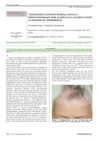
July 2014 in “Our Dermatology Online” Contact immunotherapy can cause vitiligo in patients with autoimmune conditions.
19 citations
,
March 2016 in “British journal of dermatology/British journal of dermatology, Supplement” Trichodysplasia spinulosa is a rare skin disease in immunocompromised patients caused by a specific virus targeting hair follicle cells.
 September 2024 in “Drugs & Therapy Perspectives”
 Ritlecitinib effectively regrows hair in severe alopecia areata and is well tolerated.
September 2023 in “Journal of the American Academy of Dermatology” CTP-543 is generally safe for treating alopecia areata.
1 citations
,
March 2021 in “Journal of Investigative Dermatology” Sirolimus can reduce tumor cell size in TSC-related skin tumors, but continuous treatment is needed to maintain benefits.