 April 2023 in “Our Dermatology Online”
 Trichoscopy is effective in diagnosing trichotillomania by showing specific hair patterns.
 16 citations
,
May 2003 in “International Journal of Dermatology”
16 citations
,
May 2003 in “International Journal of Dermatology” Trichotillomania, a disorder where people compulsively pull out their own hair, often starts around age 12, is more common in adult females, and can be treated with behavior therapy and medication.

Trichotillomania involves hair-pulling due to brain and genetic factors, with behavior therapy and new drugs showing promise, but challenges like stigma and underdiagnosis persist.
July 2025 in “Actas Dermo-Sifiliográficas” Trichodynia is a challenging scalp condition to treat, needing gentle care and more research for better solutions.
 2 citations
,
January 1908 in “Journal of the American Medical Association”
2 citations
,
January 1908 in “Journal of the American Medical Association” Fear of hair-related issues causes significant mental distress, especially in high-stress women.
 8 citations
,
September 2021 in “Skin appendage disorders”
8 citations
,
September 2021 in “Skin appendage disorders” Trichotillomania treatment is most successful with a mix of behavioral therapy, medication, and social support.
 May 2017 in “InTech eBooks”
 Hair pulling disorder is treated with therapy and medication; hair loss from tension can be reversed if caught early.
 December 2018 in “Meandros medical and dental journal”
 A man developed a rare late-onset hair-pulling disorder, usually seen in younger people.
 2 citations
,
June 2016 in “PubMed”
2 citations
,
June 2016 in “PubMed” An 11-year-old girl with compulsive hair pulling was successfully treated with therapy and medication.
 January 2017 in “International journal of science and research”
 Trichotillomania is a chronic hair-pulling disorder, more common in females, treated with therapy and sometimes medication.
January 2025 in “International Journal of Trichology” Trichotillomania can occur in unusual patterns and sites, highlighting the need for awareness and treatment options.
27 citations
,
February 2006 in “International Journal of Dermatology” Some children and young adults with eyebrow and eyelash hair loss actually have a hair-pulling disorder, often with related psychological issues.
119 citations
,
February 2009 in “Neuroscience & Biobehavioral Reviews” Trichotillomania involves hair pulling and can be treated with therapy and medication.
4 citations
,
January 2011 in “International Journal of Trichology” Treating scalp issues in hair-pulling disorder helps hair regrow and reduces itch.
5 citations
,
May 2015 in “JRSM open” If a child is losing a lot of eyelashes and it keeps happening, doctors should look carefully at their health history because it might be a sign of a different health problem.
 November 2025 in “International Journal Of Ayurvedic And Herbal Medicine”
 A multidisciplinary approach effectively improves trichotillomania without side effects.
 46 citations
,
September 2003 in “International Journal of Dermatology”
46 citations
,
September 2003 in “International Journal of Dermatology” Trichodynia found in 29% of TE or AGA patients, linked to psychological conditions.
1 citations
,
January 2025 in “JAAD reviews.” Hypertrichosis involves excessive hair growth and needs careful diagnosis and treatment, considering its psychological effects.
37 citations
,
August 2009 in “Journal of the American Academy of Child & Adolescent Psychiatry” Trichotillomania is a chronic hair-pulling disorder that starts in early teens and causes distress and hair loss.
 1 citations
,
June 2022 in “Movement disorders clinical practice”
1 citations
,
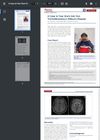
June 2022 in “Movement disorders clinical practice” A patient with Wilson's disease showed hair-pulling behavior as an initial symptom.
 November 2023 in “Scholars academic journal of biosciences”
 Trichotillomania can cause severe complications like hairballs in the stomach, needing surgery and psychiatric care.
 2 citations
,
July 2005 in “Baylor University Medical Center Proceedings”
2 citations
,
July 2005 in “Baylor University Medical Center Proceedings” A 4-year-old girl was diagnosed with trichotillomania, a condition where she pulls out her hair, which may resolve on its own or require therapy.
January 2015 in “Elsevier eBooks” Targeting the endocannabinoid system might help reduce hair pulling in trichotillomania.
 January 2026 in “Indian Journal of Dermatopathology and Diagnostic Dermatology”
 Corkscrew hairs can help diagnose trichotillomania.
 September 2024 in “Quality in Sport”
 Trichotillomania is an obsessive-compulsive disorder causing hair pulling, needing complex treatment to prevent serious issues.
 26 citations
,
December 2015 in “International Journal of Dermatology”
26 citations
,
December 2015 in “International Journal of Dermatology” Trichodynia is a painful scalp condition linked to hair loss and inflammation, often with anxiety, affecting more women and needing better treatment options.
 January 2022 in “Journal of Skin and Stem Cell”
 Trichodynia is a painful scalp condition needing targeted treatments beyond symptom management.
 May 2022 in “European medical journal”
 An 11-year-old girl with Trichotillomania developed a large hairball in her stomach, treated with medication, therapy, and family education.
19 citations
,
July 2004 in “Australasian Journal of Dermatology” Her hair grew back normally after she stopped rubbing it.
 February 2026 in “Medical Science and Discovery”
 Early diagnosis and comprehensive treatment can significantly improve trichotillomania in children.