47 citations
,
September 1995 in “British Journal of Dermatology” Diphencyprone therapy for hair loss can cause vitiligo.
21 citations
,
January 2000 in “Fetal Diagnosis and Therapy” Prenatal diagnosis of trichothiodystrophy is possible in the second trimester using fetal eyebrow biopsy, with sulfur content analysis being more reliable.
 February 2026 in “Cureus”
 Ciclosporin can cause excessive hair growth even with testosterone blockers.
8 citations
,
May 2005 in “The American journal of dermatopathology/American journal of dermatopathology” The hair defect is due to abnormal inner root sheath keratinization.
April 2021 in “Authorea (Authorea)” A 20-year-old woman had stable Progressive Hemifacial Atrophy and Vitiligo after treatment, suggesting a possible link between the conditions.
September 2023 in “Journal of the American Academy of Dermatology” Recognizing IPPP is crucial to prevent misdiagnosis and unnecessary treatments.
January 2022 in “Exclusive Real World Evidence Journal” A rare form of lupus can cause severe nerve damage and other symptoms, but treatment can help.
 September 2022 in “JAAD case reports”
 The man has a genetic skin condition called pachyonychia congenita.
 4 citations
,
January 2018 in “International Journal of Trichology”
4 citations
,
January 2018 in “International Journal of Trichology” A rare genetic disease causes sparse hair and early blindness due to a gene mutation.
11 citations
,
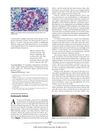
May 2008 in “British journal of dermatology/British journal of dermatology, Supplement” Identical p53 gene mutations in different cancers suggest the need for careful treatment.
 10 citations
,
February 2006 in “Archives of dermatology”
10 citations
,
February 2006 in “Archives of dermatology” A man's chest hair turned white after a shingles infection, possibly due to virus-damaged pigment cells.
 October 2025 in “Indian Journal of Dermatology”
 Dermoscopy can help diagnose tuberous sclerosis by identifying unique skin patterns.

Genetic testing can help diagnose skin conditions but needs more research for full effectiveness.
 12 citations
,
May 2003 in “Journal of dermatological science”
12 citations
,
May 2003 in “Journal of dermatological science” Hsc70 protein may influence hair growth by responding to androgens.
 June 2018 in “Journal of Dermatological Science”
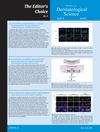
 UV radiation may cause DNA changes in skin, certain UVB therapy helps psoriasis, a new gene mutation is linked to mild piebaldism, different immune cells affect psoriasis, a drug promotes hair growth, and some cancer drugs could treat skin barrier issues.
 January 2023 in “Revista Paulista de Pediatria”
 A Brazilian male with IFAP syndrome has a unique genetic variant causing his condition.
 2 citations
,
June 2014 in “مجلة مركز بحوث التقنيات الاحيائية”
2 citations
,
June 2014 in “مجلة مركز بحوث التقنيات الاحيائية” Five different TPO gene mutations were found in PCOS patients with thyroid hormone issues.
April 2019 in “The journal of investigative dermatology/Journal of investigative dermatology” Disrupting the Tsc2 gene in certain cells leads to thicker skin, larger hair, and changes in hair growth signaling, which can be partly reversed with specific treatment.
40 citations
,
October 2004 in “Veterinary Dermatology” Trilostane treatment led to full hair regrowth in most Pomeranians and all miniature poodles with alopecia X.
 April 2018 in “Journal of Investigative Dermatology”
 Removing STAT5 from 3D-cultured human skin cells reduces their ability to grow hair.
 20 citations
,
March 1985 in “Journal of The American Academy of Dermatology”
20 citations
,
March 1985 in “Journal of The American Academy of Dermatology” Genetic factors alone might not cause pemphigus vulgaris; other factors like birth complications and puberty may trigger it.
41 citations
,
July 2016 in “Journal of Investigative Dermatology” Dysplastic nevi have unique gene expressions, making them distinct from common melanocytic nevi.
December 2022 in “Laboratory Animal Research” Trichoblastomas in aged house musk shrews show unique features and may involve serum amyloid A in inflammation.
61 citations
,
September 1994 in “Journal of Medical Genetics” Pachyonychia congenita is linked to a keratin gene on chromosome 17.
July 2019 in “Zenodo (CERN European Organization for Nuclear Research)” Follicular mucinosis in a 15-year-old is usually harmless but needs monitoring for possible lymphoma.
February 2013 in “Journal of the American Academy of Dermatology” 13 citations
,
July 2019 in “PLoS ONE” Deleting podoplanin in mice promotes hair growth by enhancing cell migration.
15 citations
,
March 2009 in “Pediatric dermatology” A young girl developed unusually long eyelashes with a hair loss condition without other health issues or medication causes.
 September 2025 in “OBM Genetics”
 Early diagnosis and comprehensive management improve life quality for Netherton syndrome patients.
March 2022 in “JAAD case reports” A man had a non-cancerous, fast-growing skin lump on his arm that was removed with surgery.