5 citations
,
July 1996 in “Journal of Cutaneous Medicine and Surgery” TTD patients don't have a higher skin cancer risk because their main issue is with transcription, not DNA repair.
10 citations
,
March 1997 in “Pediatric Dermatology” A rare case of trichothiodystrophy was found with autism, seizures, and mental retardation.
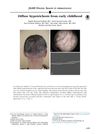 September 2016 in “Journal of The American Academy of Dermatology”
 The girl has a genetic hair condition causing thin hair since childhood.
10 citations
,
January 1995 in “Dermatology” Dermatologists should consider congenital syndromes like TRPS in young adults with early hair loss.
 16 citations
,
January 2010 in “American Journal of Neuroradiology”
16 citations
,
January 2010 in “American Journal of Neuroradiology” Specific brain and bone imaging findings can help diagnose Trichothiodystrophy.
175 citations
,
December 1980 in “Archives of Dermatology” Trichothiodystrophy is a condition with brittle hair and various physical and mental issues due to low sulfur in proteins.
28 citations
,
July 1980 in “British Journal of Dermatology” The hair disorder was caused by abnormal protein formation, making hair easily damaged.
 October 2023 in “Indian dermatology online journal”
 The young woman has a benign, hereditary skin condition with no signs of a more serious syndrome.
7 citations
,
March 2004 in “Journal of the American Academy of Dermatology” Tiger tail banding and hair abnormalities are reliable indicators for diagnosing trichothiodystrophy.
2 citations
,
January 2018 in “International Journal of Trichology” Two sisters had a rare hair condition without other usual symptoms.
21 citations
,
April 2004 in “Australasian Journal of Dermatology” A 3-year-old girl has a rare condition causing sparse hair and nail issues, with minimal improvement from treatment.
Hair dysplasias involve various hair disorders causing fragility, breakage, and poor hair adhesion.
144 citations
,
May 1990 in “Journal of the American Academy of Dermatology” 188 citations
,
June 1998 in “Molecular cell” Researchers created a mouse with the same mutation as humans with trichothiodystrophy, showing similar symptoms and confirming the condition is due to defects in DNA repair and gene activity.
26 citations
,
January 1993 in “Dermatology” A rare case of isolated trichothiodystrophy was identified, marked by brittle hair with low sulfur content.
12 citations
,
January 2001 in “Der Hautarzt” Trichorhinophalangeal syndrome causes hair, facial, and bone issues, with no specific treatment beyond gentle care.
87 citations
,
August 1974 in “Journal of Investigative Dermatology” 14 citations
,
May 1979 in “International Journal of Dermatology” Trichostasis spinulosa mainly affects the nose, with many tiny hairs in one follicle, possibly influenced by hormones and sunlight.
May 2025 in “Indian Dermatology Online Journal” Trichoscopy is crucial for diagnosing rare genetic hair disorders.
August 2025 in “Skin Appendage Disorders” Topical minoxidil can help improve hair in trichonodosis.
Trichoscopic examination is crucial for diagnosing congenital triangular alopecia.
October 2015 in “CRC Press eBooks” Trichoscopy is a useful tool for examining and monitoring hair and scalp conditions.
July 2025 in “Dermatology Practical & Conceptual” Hair changes and a high occipital hairline may help diagnose Trichorhinophalangeal Syndrome.
 74 citations
,
July 2008 in “Journal of Dermatological Case Reports”
74 citations
,
July 2008 in “Journal of Dermatological Case Reports” Trichoscopy is a quick and easy way to diagnose most genetic hair problems without invasive methods.
1 citations
,
June 2016 in “Medicina” Monilethrix is a genetic disorder causing brittle hair, diagnosed using tricoscopy.
January 2013 in “International Journal of Trichology” Early diagnosis and a multidisciplinary approach are crucial for children with Trichothiodystrophy and hidden learning disorders.
29 citations
,
February 1989 in “Journal of Cutaneous Pathology” A unique hair tumor with a rippled pattern was identified, showing incomplete differentiation and unusual cell arrangements.
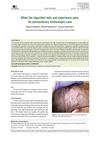 January 2026 in “Forum Dermatologicum”
 Thorough hair examination is crucial for accurate diagnosis and treatment.
4 citations
,
April 1983 in “The Journal of Dermatology” A 15-year-old girl with hypothyroidism had excess hair and skin issues due to blocked hair follicles.
10 citations
,
June 1999 in “Veterinary Dermatology” Two cows had a rare hair disorder causing hair loss but were otherwise healthy.