 131 citations
,
July 2009 in “Experimental Dermatology”
131 citations
,
July 2009 in “Experimental Dermatology” The document concludes that specific cells are essential for hair growth and more research is needed to understand how to maintain their hair-inducing properties.
 11 citations
,
July 2010 in “Dermatologic Surgery”
11 citations
,
July 2010 in “Dermatologic Surgery” Postoperative folliculitis after hair transplants is a minor issue that doesn't relate to patient details or how much hair is transplanted.
 7 citations
,
August 2018 in “The American Journal of Dermatopathology”
7 citations
,
August 2018 in “The American Journal of Dermatopathology” Researchers found a new early sign of Frontal Fibrosing Alopecia that could help avoid misdiagnosis.
 1 citations
,
December 2017 in “Anais Brasileiros de Dermatologia”
1 citations
,
December 2017 in “Anais Brasileiros de Dermatologia” Frontal fibrosing alopecia can mimic traction alopecia but has distinct features like facial papules and eyebrow thinning.
April 2025 in “Indian Journal of Dermatology” A rare, benign facial tumor called fibrofolliculoma was successfully treated with surgery.
2 citations
,
November 2020 in “The American journal of dermatopathology/American journal of dermatopathology” Sweat duct differentiation in trichilemmal cysts is very rare and can be successfully removed with surgery.
 January 2011 in “Reactions Weekly”
 Long-term use of minoxidil may cause hair follicles to transform into noticeable terminal hairs, leading to trichostasis spinulosa.
13 citations
,
November 1985 in “International Journal of Dermatology” The study found clear differences in lesion distribution and microscopic features among trichostasis spinulosa, keratosis pilaris, and eruptive vellus hair cysts.
July 2025 in “Indian Dermatology Online Journal” Trichotillomania incognita can mimic hair loss patterns and requires careful diagnosis to avoid misdiagnosis.
July 2025 in “Journal of Investigative Dermatology” Wnt and SHH pathways help form hair follicles by coordinating cell processes.
 39 citations
,
July 2015 in “British Journal of Dermatology”
39 citations
,
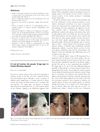
July 2015 in “British Journal of Dermatology” The pseudo 'fringe sign' can also appear in frontal fibrosing alopecia, not just in traction alopecia, showing that this condition may be more common than thought.
April 2025 in “Indian Journal of Paediatric Dermatology” Trichorrhexis invaginata can occur with tinea capitis, though it's rare.
 January 2025 in “Journal of Case Reports and Scientific Images”
 Early diagnosis and treatment are crucial for managing Folliculotropic Mycosis Fungoides on the scalp.
4 citations
,
April 1983 in “The Journal of Dermatology” A 15-year-old girl with hypothyroidism had excess hair and skin issues due to blocked hair follicles.
 8 citations
,
September 2002 in “Genes to Cells”
8 citations
,
September 2002 in “Genes to Cells” Killing specific cells in hair follicles can lead to hair growth problems in mice.
10 citations
,
January 1925 in “Archives of Dermatology” Trichostasis spinulosa is a rare skin condition with hair-filled plugs in hair follicles.
14 citations
,
June 2005 in “PubMed” A rare ear cyst contained hair fragments.
5 citations
,
July 1996 in “Journal of Cutaneous Medicine and Surgery” TTD patients don't have a higher skin cancer risk because their main issue is with transcription, not DNA repair.
 3 citations
,
October 2021 in “Journal of Cosmetic Dermatology”
3 citations
,
October 2021 in “Journal of Cosmetic Dermatology” Trichoscopy helps tell apart Frontal Fibrosing Alopecia and Lichen planopilaris by showing different hair and scalp features.
 1 citations
,
September 2023 in “International Journal of Dermatology”
1 citations
,
September 2023 in “International Journal of Dermatology” Early detection and treatment of folliculitis keloidalis can prevent disease progression.
414 citations
,
August 2005 in “Nature” Activating TERT in mice skin boosts hair growth by waking up hair follicle stem cells.
 April 2012 in “Informa Healthcare eBooks”
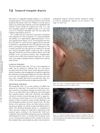
 Temporal triangular alopecia is a lifelong condition with hairless patches on the side of the head that may be present from birth.
 4 citations
,
February 2020 in “Journal of Cosmetic Dermatology”
4 citations
,
February 2020 in “Journal of Cosmetic Dermatology” Trichoscopy helps diagnose hairline recession causes in Egyptian women, with androgenetic alopecia being the most common.
 April 2025 in “Journal of Investigative Dermatology”
 High LH levels cause hair loss by damaging and aging hair follicles.
 April 2018 in “Journal of Investigative Dermatology”
 A new peptide, FOL-005, may help treat excessive hair growth by reducing a hair growth promoter, FGF7.
 13 citations
,
June 2012 in “Journal of Dermatological Case Reports”
13 citations
,
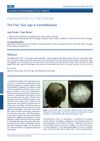
June 2012 in “Journal of Dermatological Case Reports” An 8-year-old boy with hair-pulling disorder had a bald patch that was confirmed not to be a fungal infection and was treated with therapy.
 130 citations
,
January 1994 in “Differentiation”
130 citations
,
January 1994 in “Differentiation” Mouse hair follicle cells briefly grow during the early hair growth phase, showing that these cells are important for starting the hair cycle.

Isotretinoin reduced inflammation in tufted hair folliculitis, but hair tufting remained.
 September 2016 in “Journal of Dermatological Science”
 Certain factors can start hair growth in adult skin by making cells communicate and form new hair follicles.
 February 2026 in “SHILAP Revista de lepidopterología”
 Female Pattern Hair Loss is linked to genetics, diet, stress, and certain health conditions.