Trichoepithelioma and desmoplastic trichoepithelioma have distinct features that can be identified using reflectance confocal microscopy.
 5 citations
,
May 2008 in “Nature Precedings”
5 citations
,
May 2008 in “Nature Precedings” Trichoscopy is a useful non-invasive method to diagnose female hair loss with high accuracy.
1 citations
,
January 2022 in “Anais brasileiros de dermatologia/Anais Brasileiros de Dermatologia” Reflectance confocal microscopy may help diagnose trichofolliculoma by showing specific skin features.
 January 2015 in “Turkiye Klinikleri Journal of Ophthalmology”
 Eyelash loss can indicate various health issues, and excessive growth may be linked to certain conditions or medications; both require careful examination and tailored treatment.
12 citations
,
August 2016 in “Mycopathologia” A man's pubic hair infection was treated by shaving and using antifungal medications.
 78 citations
,
June 2005 in “Annals of oncology”
78 citations
,
June 2005 in “Annals of oncology” Cetuximab can cause excessive eyelash growth.
January 2003 in “Linchuang pifuke zazhi” A benign skin tumor was removed from a man's leg, and it didn't come back after 9 months.
 9 citations
,
November 2013 in “Dermatologic Surgery”
9 citations
,
November 2013 in “Dermatologic Surgery” Hair transplant complications were likely due to deep graft placement and rough handling.
6 citations
,
November 2001 in “Der Hautarzt” Photothermolysis is the best method for permanent hair removal.
 July 2021 in “Australasian Journal of Dermatology”
 The trichoscopy-assisted hair pull test is useful for diagnosing different types of hair loss.
 16 citations
,
March 2013 in “The Journal of Dermatology”
16 citations
,
March 2013 in “The Journal of Dermatology” Low TRPS1 expression in skin and hair cells is linked to hair problems in Trichorhinophalangeal syndrome.
 6 citations
,
July 2015 in “International Journal of Dermatology”
6 citations
,
July 2015 in “International Journal of Dermatology” Trichoepitheliomas can be hard to distinguish from other skin conditions and often start in teenage years.
January 2006 in “DOAJ (DOAJ: Directory of Open Access Journals)” Loose anagen hair syndrome causes easily pulled, thin hair in kids but is harmless and temporary.
 October 2024 in “INTERNATIONAL JOURNAL OF SCIENTIFIC RESEARCH”
 Trichoscopy can help diagnose Vitamin B12, Vitamin D3, and ferritin deficiencies without blood tests.
6 citations
,
June 1993 in “Veterinary Dermatology” A female Rottweiler had a rare genetic condition causing mostly hairless skin.
 5 citations
,
December 2018 in “Journal of The American Academy of Dermatology”
5 citations
,
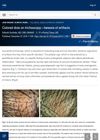
December 2018 in “Journal of The American Academy of Dermatology” Some hair products can create false signs on scalp examinations, leading to wrong diagnoses.
12 citations
,
June 2011 in “Journal of Dermatological Case Reports” Shaving, erythromycin cream, and clotrimazole powder effectively treated the bad odor and rough hair.
May 2022 in “Dermatology practical & conceptual” Trichoscopy is crucial for diagnosing and managing androgenetic alopecia, showing increased vellus hairs, empty follicles, and fibrosis with severity.
2 citations
,
August 2007 in “Zoonoses and Public Health” Two southern chamois in the Eastern Pyrenees had skin infections caused by a fungus.
 September 2024 in “Quality in Sport”
 Trichotillomania is an obsessive-compulsive disorder causing hair pulling, needing complex treatment to prevent serious issues.
December 2025 in “Al-Azhar International Medical Journal /Al-Azhar International Medical Journal” Using both trichoscopy and folliscopy together improves hair loss diagnosis in men.
 March 2024 in “IP Indian journal of clinical and experimental dermatology”
 Giant solitary trichoepithelioma is a rare, usually non-cancerous hair follicle tumor that can sometimes turn into skin cancer.
 7 citations
,
January 2003 in “Nippon Ishinkin Gakkai Zasshi”
7 citations
,
January 2003 in “Nippon Ishinkin Gakkai Zasshi” The girl's scalp infection healed well with terbinafine treatment.
2 citations
,
May 2022 in “International journal of trichology” Plica neuropathica is a tangled hair condition that may be caused by hair damage or psychiatric issues and is treated by cutting the hair and addressing mental health.
September 2016 in “Journal of Dermatological Science” Polarizing light microscopy can easily and reliably diagnose congenital keratinizing disorders like Netherton syndrome.
 24 citations
,
March 2009 in “Journal of the European Academy of Dermatology and Venereology”
24 citations
,
March 2009 in “Journal of the European Academy of Dermatology and Venereology” Scalp pain is a common symptom in people with active hair loss from telogen effluvium.
October 2025 in “Pediatric Dermatology” UVFD helps quickly diagnose hair loss conditions in children.
1 citations
,
February 2005 in “The Journal of Laryngology & Otology” A fungal infection in the neck caused severe breathing issues, treated successfully with antibiotics and antifungal medication.
1 citations
,
December 2022 in “Skin Appendage Disorders” Recognizing trichofolliculomas is important to avoid unnecessary surgery.
1 citations
,
January 2018 in “International Journal of Trichology” Circle hairs are harmless, spiral-shaped body hairs that don't need medical treatment.