 October 2022 in “Gadua Journal of Pure and Allied Science”
 Terbinafine is the most effective treatment for tinea capitis, a scalp infection often confused with other conditions.
January 2022 in “Clinical Cases in Dermatology” A 12-year-old boy has a rare, harmless hair loss on his chin with no need for treatment.
January 2022 in “Clinical Cases in Dermatology” The girl's hair loss is due to trichotillomania, which may improve with behavioral therapy or a combination of treatments.
November 2021 in “CRC Press eBooks” Tinea capitis is a fungal infection of the scalp that mainly affects children and can cause symptoms from mild itching to severe inflammation.
September 2021 in “CRC Press eBooks” Traumatic alopecia causes hair loss from pulling or rubbing, leading to broken hairs and changes in the scalp.
August 2021 in “Oxford University Press eBooks” New treatments for hair-pulling disorder focus on personalized approaches and combining therapies for better results.
 June 2021 in “International Journal of Research in Medical Sciences & Technology”
 Hair loss has many causes and needs specific treatments.
 May 2021 in “Pakistan Journal of Medical and Health Sciences”
 Trichogram is useful for diagnosing hair disorders, but newer, non-invasive methods like trichoscopy are becoming more popular due to their sensitivity and ability to monitor treatment responses.
 December 2020 in “TURKDERM”
 A 3-year-old boy was diagnosed with a rare, non-scarring hair loss condition called temporal triangular alopecia.
 December 2020 in “International journal of research in ayurveda and pharmacy”
 Eating well and avoiding synthetic hair products are key for healthy hair.
 December 2020 in “International journal of medical science and clinical invention”
 Rapunzel syndrome can show vague symptoms and needs long-term psychiatric care to prevent recurrence.
The document concludes that diagnosing female hair loss requires careful examination, with treatments varying by condition and psychological support often necessary.
 April 2019 in “Sohag Medical Journal”
 Androgenetic alopecia is the most common cause of hair loss at Sohag University Hospital's hair clinic.
 January 2019 in “Elsevier eBooks”
 Different hair disorders have specific treatments and outcomes, with some resolving on their own and others requiring medication or emotional support.
 July 2018 in “IP Indian journal of clinical and experimental dermatology”
 Hair loss in rural Indian children is often due to malnutrition, poor grooming, stress, and infections.
 July 2018 in “Elsevier eBooks”
 Up to half of people experience itchy scalp, often due to skin conditions like seborrheic dermatitis or psoriasis, and treatments vary based on the specific cause.
 July 2018 in “Elsevier eBooks”
 The most common cause of hair loss in children is tinea capitis, followed by alopecia areata and telogen effluvium.
 July 2018 in “British Journal of Dermatology”
 Mindfulness reduces anxiety and depression in skin disease patients; dermatologists and psychiatrists often lack confidence in treating psychodermatological conditions.
 January 2018 in “Elsevier eBooks”
 The document concludes that alopecia has various forms, each with specific treatments, but no definitive cure for certain types like CCCA has been proven.
 November 2017 in “Pediatrics in Review”
 A 4-year-old girl with hair loss was diagnosed with early-onset trichotillomania and improved with behavioral interventions.
Dermoscopy helps diagnose and differentiate various hair and scalp conditions.
 September 2017 in “Pediatric Dermatology”
 The document concludes that an experimental drug may help wound healing in Epidermolysis Bullosa, links Hydroa vacciniforme to EBV, discusses diagnosing hair loss disorders, finds many children with eczema have allergies, reviews the safety of a skin medication in children, notes side effects of a Duchenne's treatment, and identifies a marker for pediatric mastocytosis.
 May 2017 in “InTech eBooks”
 Trichoscopy and trichogram are useful for diagnosing hair and scalp conditions.
 May 2017 in “InTech eBooks”
 Early treatment of children's hair loss, which can be caused by various factors, is important due to its emotional impact.
 April 2016 in “Medical Acupuncture”
 The document concludes that hair loss in women is treated with medications, therapies, and surgery in Western medicine, and with acupuncture and herbs in Chinese medicine, but hereditary hair loss is hard to reverse.
October 2015 in “CRC Press eBooks” Trichoscopy is a useful tool for examining and monitoring hair and scalp conditions.
 May 2015 in “Journal of The American Academy of Dermatology”
 The algorithm can effectively diagnose different types of female hair loss with proper history, examination, and tests.
 January 2015 in “Independent Nurse”
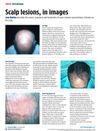
 Different scalp conditions can lead to hair loss or tumors, with treatments varying from creams to surgery; early detection is crucial.
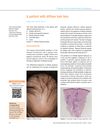 January 2015 in “Indian Dermatology Online Journal”
 The patient's hair loss is most likely due to diffuse alopecia areata.
January 2015 in “Rawal Medical Journal” Telogen effluvium is the main cause of hair loss in women in Karak, followed by androgenetic alopecia.