 2 citations
,
October 2020 in “Más dermatología”
2 citations
,
October 2020 in “Más dermatología” Choose between topical and oral minoxidil for hair growth based on personal tolerance and side effects.
 January 2007 in “Más dermatología”
 Gentle hair care and some medications can help manage hair shaft disorders, but no specific treatment exists for congenital issues.
December 2024 in “Medical alphabet” The combination of "Time to Grow" and "Thick and Strong Hair" effectively reduces hair loss and improves hair quality.
 138 citations
,
August 1985 in “Journal of The American Academy of Dermatology”
138 citations
,
August 1985 in “Journal of The American Academy of Dermatology” Minoxidil promotes hair growth in male pattern baldness.
 34 citations
,
April 2009 in “Skin Pharmacology and Physiology”
34 citations
,
April 2009 in “Skin Pharmacology and Physiology” Minoxidil affects cell growth in two ways: low doses increase growth, while high doses slow it down and can be toxic.
 8 citations
,
July 2014 in “Anais Brasileiros de Dermatologia”
8 citations
,
July 2014 in “Anais Brasileiros de Dermatologia” A man's scalp condition was misidentified as hair loss dots but was actually a common follicular disorder.
 24 citations
,
September 2019 in “Journal of The American Academy of Dermatology”
24 citations
,
September 2019 in “Journal of The American Academy of Dermatology” Low-dose oral minoxidil improved or stabilized hair loss in some patients, but higher doses may be needed for significant effects.
July 2022 in “Institutional Repositories DataBase (IRDB)” 3D spheroid cells effectively test hair growth compounds like Minoxidil.
 24 citations
,
May 2013 in “Drug Design Development and Therapy”
24 citations
,
May 2013 in “Drug Design Development and Therapy” Multimodal minoxidil microemulsion is more effective in treating hair loss than minoxidil alone.
 5 citations
,
January 2021 in “Journal of The American Academy of Dermatology”
5 citations
,
January 2021 in “Journal of The American Academy of Dermatology” Low-dose oral minoxidil is an effective and safe treatment for hair loss.
 August 2025 in “Indian Dermatology Online Journal”
 Combining minoxidil with phototherapy improves vitiligo treatment better than phototherapy alone.
1 citations
,
April 2021 in “Journal of Cosmetic Dermatology” The cream effectively reduced hair growth on forearms.
 32 citations
,
January 2019 in “American Journal of Clinical Dermatology”
32 citations
,
January 2019 in “American Journal of Clinical Dermatology” Minoxidil helps treat eyebrow thinning, monilethrix, early hair loss, and shortens chemo-related hair loss.
 February 2023 in “International Journal of Pharmaceutics”
 A new version of minoxidil, a hair loss treatment, was made using nanotechnology. This version, called minoxidil cubosomes, works better and causes fewer skin reactions than the old version. It also penetrates and stays in the skin better, promoting hair regrowth. It's safe and could be a good alternative to current treatments.
 1 citations
,
March 2022 in “JAAD case reports”
1 citations
,
March 2022 in “JAAD case reports” Oral minoxidil helped significantly regrow hair in a patient with traction alopecia.
 June 2024 in “Journal of cosmetic dermatology”
 Dutasteride is the most studied alternative drug for androgenetic alopecia, but more high-quality research is needed.
1 citations
,
July 2016 in “PubMed” Once-daily 5% minoxidil foam and twice-daily 2% minoxidil solution are similarly effective and safe for female pattern hair loss.
 101 citations
,
March 1987 in “Journal of The American Academy of Dermatology”
101 citations
,
March 1987 in “Journal of The American Academy of Dermatology” Minoxidil solution helps hair regrowth in alopecia areata, with 5% being more effective.
 April 2026 in “Cosmetics”
 The formulation significantly increased hair density and thickness safely in people with androgenetic alopecia.
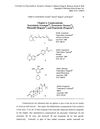
Isotretinoin and tazarotene help treat acne, while minoxidil and finasteride promote hair growth.
 January 2007 in “Inpharma Weekly”
 Dutasteride is more effective for male pattern baldness than finasteride, and black cohosh extract BNO 1055 is as effective as conjugated estrogens in treating postmenopausal symptoms, with added benefits in reducing sweating and mental symptoms.

TH07 is a topical combination of finasteride, latanoprost, and minoxidil, and shows promise.
March 1996 in “Hair transplant forum international”  September 2025 in “Journal of the American Academy of Dermatology”
 Sublingual minoxidil significantly improves hair growth in transgender individuals on testosterone therapy.
July 2026 in “Journal of Drug Delivery Science and Technology” November 2025 in “Bioactive Materials” TQC shows promise for better hair regrowth in treating hair loss.
 June 2025 in “Fayoum University Medical Journal/Fayoum University Medical Journal ”
 Minoxidil and botulinum toxin are equally effective for treating female hair loss.
October 2019 in “UNESP Institutional Repository (São Paulo State University)” Oral minoxidil 1 mg is effective and safe for female hair loss, with less shedding but more hair growth on the body.
Low-dose oral minoxidil is effective and generally safe for treating hair loss in women.
 May 2024 in “Journal of cosmetic dermatology”
 "Dutasteride 0.5 mg daily is the most effective treatment for male hair loss."