47 citations
,
September 1995 in “British Journal of Dermatology” Diphencyprone therapy for hair loss can cause vitiligo.
July 2017 in “Cancer Research” Krt15+ cells in mice can resist radiation, regenerate tissue, and start tumors, suggesting new cancer treatment targets.
10 citations
,
June 2022 in “Biomedicine & Pharmacotherapy” ARTS helps stop tumors by promoting cell death.
 March 2012 in “Journal of The American Academy of Dermatology”
 Temporal triangular alopecia usually starts in early childhood and treatment with Minoxidil has limited effectiveness.
 July 2025 in “Journal of the Pakistan Medical Association”
 Combining TCA with 5-FU is more effective and safer for treating keloids than TCA alone.
 March 2026 in “SHILAP Revista de lepidopterología”
 Rituximab may cause skin issues, but baricitinib can help improve them.
 34 citations
,
July 2011 in “International journal of pharmaceutics”
34 citations
,
July 2011 in “International journal of pharmaceutics” Ion-paired risedronate significantly increases skin penetration without irritation compared to risedronate alone.
12 citations
,
May 2010 in “Journal of Clinical Oncology” MK-5108 is safe and shows potential against tumors, especially alone.
4 citations
,
January 2014 in “The Journal of urology/The journal of urology” Kidney cancer cells without folliculin are more sensitive to radiation due to increased self-eating cell death.
 13 citations
,
April 2016 in “Journal of Dermatology”
13 citations
,
April 2016 in “Journal of Dermatology” 308-nm excimer light therapy helped over a third of treatment-resistant alopecia universalis patients regrow most of their hair.
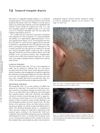 April 2012 in “Informa Healthcare eBooks”
 Temporal triangular alopecia is a lifelong condition with hairless patches on the side of the head that may be present from birth.
June 2026 in “DOAJ (DOAJ: Directory of Open Access Journals)” Upadacitinib effectively treated alopecia areata when other treatments failed.
 32 citations
,
March 2021 in “Journal of endocrinological investigation”
32 citations
,
March 2021 in “Journal of endocrinological investigation” Thyroid hormones are important for skin health and changes in them can affect conditions like hair loss and eczema.
1 citations
,
September 2020 in “DOAJ (DOAJ: Directory of Open Access Journals)” Dihydrotestosterone (DHT) promotes the growth and spread of aggressive brain tumor cells.
22 citations
,
September 2020 in “The journal of investigative dermatology/Journal of investigative dermatology” The study's results on the effectiveness of low-dose IL-2 for alopecia areata and its impact on immune cells were not provided.
53 citations
,
June 1983 in “Journal of Investigative Dermatology” The enzyme is crucial for skin cell development and can be activated without proteolytic activation.
 February 2025 in “International Journal of STD & AIDS”
 Tofacitinib can cause unusual hair growth, requiring careful monitoring and possible laser hair removal.
2 citations
,
January 1997 in “Mapping” Gambogic Amide may prevent hair greying and promote hair growth by maintaining hair pigmentation.
 2 citations
,
January 2008 in “Journal of The American Academy of Dermatology”
2 citations
,
January 2008 in “Journal of The American Academy of Dermatology” Trichoscopy is a helpful and quick method to diagnose hair loss without shaving.
13 citations
,
February 2025 in “Journal of the European Academy of Dermatology and Venereology” Ritlecitinib shows promise for treating alopecia areata, especially with early and extended treatment.
 6 citations
,
March 2019 in “JAAD case reports”
6 citations
,
March 2019 in “JAAD case reports” A new mix of anthralin and calcipotriene might help treat severe hair loss.
 April 2017 in “Journal of Investigative Dermatology”
 Deep phenotyping helps distinguish between xeroderma pigmentosum and trichothiodystrophy, aiding in diagnosis and treatment.
 April 2023 in “The journal of investigative dermatology/Journal of investigative dermatology”
 Derinat helps extend hair growth by reducing harmful molecules in skin cells.
15 citations
,
January 2015 in “International journal of medical research and health sciences” Platelet rich plasma is as effective as triamcinolone for treating alopecia areata.
1 citations
,
December 2007 in “Journal of Microbiology and Biotechnology” Minoxidil in triamino alpha-cyclodextrin promotes hair growth effectively.
39 citations
,
June 2019 in “Frontiers in Endocrinology” Lenvatinib and sorafenib are generally safe but need dose adjustments due to side effects.
 32 citations
,
May 2012 in “PloS one”
32 citations
,
May 2012 in “PloS one” Thymic transplantation normalized some T-cells but not others, maintaining immune function.
6 citations
,
March 2005 in “Journal of the American Academy of Dermatology” Follicular dystrophy in immunocompromised patients may be linked to medication or viral factors and can improve with treatment changes.
18 citations
,
August 2012 in “Chinese journal of integrative medicine/Chinese Journal of Integrative Medicine” Both treatments for alopecia areata are equally effective and safe.
April 2020 in “Journal of the Endocrine Society” Taking thyroid medication reduced the patient's pituitary gland swelling and improved her symptoms.