Combining epinephrine with a steroid may help regrow hair in severe alopecia areata cases.
 111 citations
,
August 2002 in “Journal of Medicinal Chemistry”
111 citations
,
August 2002 in “Journal of Medicinal Chemistry” New compounds were made that block an enzyme linked to breast cancer better than existing treatments.
 January 2024 in “Wiadomości Lekarskie”
 Shifting attention can reduce physical pain.
1 citations
,
November 2014 in “Thérapie” Potassium channel activators like nicotinamide and minoxidil might help treat solid tumors.
 31 citations
,
August 2001 in “PubMed”
31 citations
,
August 2001 in “PubMed” TrichoScan accurately measures hair growth and showed improved hair counts and thickness after finasteride treatment.
December 2010 in “TSpace” Activating androgen receptors in muscle can increase muscle mass and reduce fat.
7 citations
,
August 2024 in “Clinical and Experimental Dermatology” Upadacitinib is effective and safe for treating severe alopecia areata in teens.
November 2024 in “Journal of Investigative Dermatology” Aptamers can improve wound healing and promote hair growth.
May 2010 in “Europe PMC (PubMed Central)” Near-infrared probes can safely and effectively image cysteine protease activity for disease diagnosis.
22 citations
,
May 2011 in “European Journal of Cancer” The drug combination was safe and showed promise in treating advanced tumors.
6 citations
,
July 2025 in “Cancer Medicine” ZSYY001 is safe, well-tolerated, and shows promise for treating advanced solid tumors.
40 citations
,
July 2023 in “Clinical Pharmacology & Therapeutics” Targeted protein degraders show promise in treating cancer but need to target more diverse proteins.
16 citations
,
October 2017 in “Journal of steroid biochemistry and molecular biology/The Journal of steroid biochemistry and molecular biology” Dutasteride may protect the brain in early Parkinson's disease.
6 citations
,
June 2025 in “Nano Biomedicine and Engineering” Smart nano-PROTACs improve cancer treatment by targeting proteins more precisely and reducing side effects.
 December 2019 in “International journal of engineering applied science and technology”
 Tridax procumbens, a weed, has various medicinal properties including wound healing and antibacterial effects.
March 2026 in “Immunological Medicine” Janus kinase inhibitors help some people with severe alopecia areata regrow hair, but not everyone responds, and relapses can happen.
7 citations
,
August 1996 in “The Journal of Clinical Endocrinology and Metabolism” 17 citations
,
January 2023 in “Frontiers in Pharmacology” 2Br-Crebanine and Stephanine reduce inflammation and pain effectively.
 66 citations
,
December 2018 in “Dermatology”
66 citations
,
December 2018 in “Dermatology” Both ruxolitinib and tofacitinib are effective and safe for treating severe alopecia areata, but relapses are common.
 April 2024 in “Frontiers in pharmacology”
 Brepocitinib 30mg is most effective for moderate-to-severe alopecia areata, but ritlecitinib 50mg may offer a better balance of safety and effectiveness.
4 citations
,
July 2023 in “Nature Medicine” The FDA approved a new Pfizer drug for hair loss in teens.
3 citations
,
September 2023 in “Prostate Cancer and Prostatic Diseases”  15 citations
,
October 2010 in “Archives of Toxicology”
15 citations
,
October 2010 in “Archives of Toxicology” A yeast-based test can detect the steroid methyltestosterone in urine longer than traditional methods.
105 citations
,
April 2014 in “Trends in Pharmacological Sciences” Targeting the Smoothened receptor shows promise for treating certain cancers.
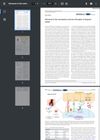 October 2023 in “International journal of rheumatic diseases”
 New treatments targeting the JAK signaling pathway, especially JAK inhibitors, show promise for alopecia areata.
 April 2025 in “Clinical and Translational Discovery”
 The ketoconazole gel improved hair growth and is a promising treatment for hair loss.
 6 citations
,
May 2023 in “Drugs”
6 citations
,
May 2023 in “Drugs” Baricitinib helps regrow hair in adults with severe alopecia better than a placebo and is approved for treatment, but long-term effects are still unknown.
April 2025 in “International Journal of Clinical & Medical Case Studies” Dextroamphetamine may help treat alopecia areata.
July 2025 in “SKIN The Journal of Cutaneous Medicine” Ritlecitinib effectively improves hair regrowth and physician satisfaction in severe alopecia areata over time.
56 citations
,
July 2014 in “PloS one” SARMs may be an effective treatment for a certain type of breast cancer by blocking cancer growth and spread.