 January 2016 in “Elsevier eBooks”
 Trichoscopy is a key method for dermatologists to quickly and effectively diagnose hair and scalp conditions.
36 citations
,
June 2015 in “International journal of toxicology” Trichloroethylene causes skin inflammation in mice by increasing certain immune proteins.
 28 citations
,
July 2007 in “Development”
28 citations
,
July 2007 in “Development” TAF4 is important for skin cell growth and helps prevent skin cancer in mice.
January 2026 in “Indian Journal of Paediatric Dermatology” Trichoscopy effectively diagnoses and monitors treatment in children with tinea capitis.
July 2025 in “Genome biology” HT-scCAT-seq helps understand gene regulation in embryonic skin development.
2 citations
,
July 2023 in “Water” Tradescantia plants can effectively test for the toxicity of harmful algae.
 June 2026 in “bioRxiv (Cold Spring Harbor Laboratory)”
 AQB reduces harmful skin changes in systemic sclerosis.
1 citations
,
December 2012 in “Clinical and Experimental Dermatology” A rare calcium deposit condition was found on a man's scalp.
 July 2022 in “The journal of investigative dermatology/Journal of investigative dermatology”
 Thymic stromal lymphopoietin (TSLP) promotes hair growth by stimulating specific skin cells.
August 2024 in “Skin Research and Technology” TAF can be identified by excessive skin thickening and clogged hair follicles, helping distinguish it from similar skin conditions.
 April 2017 in “Journal of Investigative Dermatology”
 The protein CTCF is essential for skin development, maintaining hair follicles, and preventing inflammation.
 40 citations
,
April 2006 in “Journal of the European Academy of Dermatology and Venereology”
40 citations
,
April 2006 in “Journal of the European Academy of Dermatology and Venereology” The Trichoscan system was found to be inaccurate for measuring hair growth, needing better software to be useful.
8 citations
,
April 2016 in “Experimental Dermatology” The type of tumor suppressor affects the form of skin cancer from hair follicle stem cells.
 6 citations
,
July 1990 in “The Journal of Pediatrics”
6 citations
,
July 1990 in “The Journal of Pediatrics” A boy with toxic shock syndrome had severe heart rhythm problems but recovered with treatment.
 37 citations
,
March 1990 in “The Journal of Pediatrics”
37 citations
,
March 1990 in “The Journal of Pediatrics” Toxic shock syndrome is caused by a complex interaction of bacterial toxins and the immune system, and understanding this can help improve diagnosis and treatment.
11 citations
,
January 1989 Two patients had a unique form of trichothiodystrophy with reduced high-sulfur proteins in their hair.
 64 citations
,
August 2014 in “The journal of allergy and clinical immunology/Journal of allergy and clinical immunology/The journal of allergy and clinical immunology”
64 citations
,
August 2014 in “The journal of allergy and clinical immunology/Journal of allergy and clinical immunology/The journal of allergy and clinical immunology” A deficiency in the TTC7A gene causes immune problems, gut issues, and hair loss.
990 citations
,
October 1999 in “Development” Activated LEF/TCF complexes are crucial for hair development and cycling.
8 citations
,
December 2017 in “Small Ruminant Research” Variation in the TCHH gene affects wool curliness in sheep.
1 citations
,
January 2016 in “Dermatology Online Journal” Triangular temporal alopecia can occur in adults and should be correctly identified to prevent misdiagnosis.
January 2026 in “Journal of Advanced Research” Bacillus sp. TC5 products help hair regrowth and improve skin drug absorption.
 2 citations
,
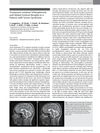
July 2016 in “Pharmacopsychiatry”
2 citations
,
July 2016 in “Pharmacopsychiatry” A person with Turner Syndrome showed severe schizophrenia that didn't respond to treatment and had brain shrinkage.
2 citations
,
July 1994 in “Journal of Dermatological Science” Grafted human scalp samples on mice can produce human hair, useful for studying hair genetics.
 7 citations
,
May 2019 in “Acta Orthopaedica et Traumatologica Turcica”
7 citations
,
May 2019 in “Acta Orthopaedica et Traumatologica Turcica” Hair tourniquet syndrome in infants can be treated successfully with immediate hair removal.
Loss of the p53 gene alone causes tumors, and losing both p53 and Rb genes speeds up aggressive skin cancer.
5 citations
,
January 2024 in “Science Advances” Touch dome keratinocytes in adult skin have traits of different skin cell types.
September 2021 in “The journal of investigative dermatology/Journal of investigative dermatology” Three genes linked to the development of trichilemmal cysts were found.
 April 2023 in “The journal of investigative dermatology/Journal of investigative dermatology”
 Lack of TG2 increases fat storage and lowers cell cleanup in skin oil cells.
January 2026 in “SSRN Electronic Journal”  1 citations
,
December 2022 in “Frontiers in Immunology”
1 citations
,
December 2022 in “Frontiers in Immunology” Tissue environment greatly affects the unique epigenetic makeup of regulatory T cells, which could impact autoimmune disease treatment.