 83 citations
,
January 2001 in “American journal of clinical dermatology”
83 citations
,
January 2001 in “American journal of clinical dermatology” Clomipramine may significantly reduce hair-pulling in Trichotillomania, but more research is needed on treatments and early onset cases.
69 citations
,
October 2013 in “Journal of Clinical Psychopharmacology” Naltrexone did not significantly reduce hair pulling but improved cognitive flexibility.
69 citations
,
August 2006 in “Behavior Therapy” Group behavior therapy reduces hair-pulling symptoms more than supportive therapy but has limited long-term effectiveness.
37 citations
,
August 2009 in “Journal of the American Academy of Child & Adolescent Psychiatry” Trichotillomania is a chronic hair-pulling disorder that starts in early teens and causes distress and hair loss.
 25 citations
,
January 2015 in “Advances in Psychosomatic Medicine”
25 citations
,
January 2015 in “Advances in Psychosomatic Medicine” Many skin patients also have mental health issues, and doctors should treat both together.
20 citations
,
August 2015 in “Behaviour change” Cognitions significantly influence Trichotillomania, suggesting cognitive therapies could help.
 13 citations
,
June 2012 in “Journal of Dermatological Case Reports”
13 citations
,
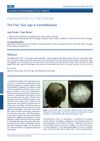
June 2012 in “Journal of Dermatological Case Reports” An 8-year-old boy with hair-pulling disorder had a bald patch that was confirmed not to be a fungal infection and was treated with therapy.
8 citations
,
February 2021 in “Comprehensive psychiatry” People with trichotillomania or skin picking disorder generally sleep worse than those without these conditions.
6 citations
,
December 2016 in “Journal of Obsessive-Compulsive and Related Disorders” Adults with trichotillomania do not have different pain sensitivity to cold pressor pain compared to healthy individuals.
 4 citations
,
February 2020 in “Journal of Cosmetic Dermatology”
4 citations
,
February 2020 in “Journal of Cosmetic Dermatology” Trichoscopy helps diagnose hairline recession causes in Egyptian women, with androgenetic alopecia being the most common.
 2 citations
,
January 2023 in “Journal of Education, Health and Sport”
2 citations
,
January 2023 in “Journal of Education, Health and Sport” Cognitive-behavioral therapy with habit reversal training is the most effective treatment for trichotillomania.
 2 citations
,
June 2016 in “PubMed”
2 citations
,
June 2016 in “PubMed” An 11-year-old girl with compulsive hair pulling was successfully treated with therapy and medication.
1 citations
,
September 2025 in “Pediatric Dermatology” Behavioral interventions, especially habit reversal training, are most effective for treating trichotillomania in children.
 1 citations
,
April 2022 in “Revista Da Associacao Medica Brasileira”
1 citations
,
April 2022 in “Revista Da Associacao Medica Brasileira” COVID-19 can cause different types of hair loss, and proper diagnosis by a specialist may be needed.
1 citations
,
March 2022 in “Anais brasileiros de dermatologia/Anais Brasileiros de Dermatologia” Trichoscopy helps tell apart hair loss due to alopecia areata from trichotillomania in eyebrows.
 1 citations
,
December 2014 in “Klinik Psikofarmakoloji Bülteni-Bulletin of Clinical Psychopharmacology”
1 citations
,
December 2014 in “Klinik Psikofarmakoloji Bülteni-Bulletin of Clinical Psychopharmacology” Adding aripiprazole to the treatment improved hair-pulling symptoms in a teenager.
 1 citations
,
January 2013 in “International Journal of Trichology”
1 citations
,
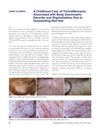
January 2013 in “International Journal of Trichology” A girl with red hair developed hair-pulling and body image disorders after being bullied for her hair color.
July 2025 in “Indian Dermatology Online Journal” Trichotillomania incognita can mimic hair loss patterns and requires careful diagnosis to avoid misdiagnosis.
 April 2025 in “Journal of Applied Cosmetology”
 The combined therapy of microneedling and light therapy effectively and safely promotes hair regrowth in trichotillomania.
July 2024 in “Skin Appendage Disorders” Trichotillomania requires combined dermatology and psychiatry care for better management and quality of life.

A 14-year-old girl with a condition that makes her hair easy to pull out also has a hair-pulling disorder, and treatment helped but she relapsed after a year.
 December 2023 in “Portuguese journal of dermatology and venereology”
 Trichoscopy can reliably distinguish between alopecia areata and trichotillomania.
 January 2019 in “Clinical neuropharmacology”
 A girl's hair-pulling condition improved greatly after she started vitamin D treatment.
 November 2017 in “Pediatrics in Review”
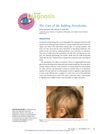
 A 4-year-old girl with hair loss was diagnosed with early-onset trichotillomania and improved with behavioral interventions.
 January 2017 in “International journal of science and research”
 Trichotillomania is a chronic hair-pulling disorder, more common in females, treated with therapy and sometimes medication.
 April 2016 in “Journal of The American Academy of Dermatology”
 Different treatments are effective for hair loss conditions, but results vary by individual factors.
May 2015 in “UC Merced Undergraduate Research Journal” Behavioral therapies are more effective than drugs for treating trichotillomania.
January 2015 in “The Encyclopedia of Clinical Psychology” Habit reversal training effectively treats hair-pulling disorder in both adults and children.
3 citations
,
May 2018 in “Psychiatry and Clinical Psychopharmacology” N-acetylcysteine may help treat trichotillomania.
November 2024 in “Actas Dermo-Sifiliográficas” N-acetylcysteine and memantine are recommended as safe and effective treatments for trichotillomania.