 January 2022 in “Przegla̧d dermatologiczny”
 Minoxidil, a medicine initially for high blood pressure, can stimulate hair growth and is promising for treating hair loss, but it may cause side effects like itching and dizziness.
 January 2025 in “Editora Acadêmica Periodicojs eBooks”
 Oral Minoxidil is a practical alternative to Topical Minoxidil for hair loss, but treatment should be personalized.
 4 citations
,
January 2016 in “Acta dermatovenerologica Alpina, Pannonica et Adriatica (Tiskana izd.)”
4 citations
,
January 2016 in “Acta dermatovenerologica Alpina, Pannonica et Adriatica (Tiskana izd.)” 5% minoxidil foam is a safe, effective treatment for male pattern hair loss, with increased hair count and few side effects.
April 2021 in “International Journal of Research in Dermatology” The combination of minoxidil and finasteride is more effective for hair growth than minoxidil alone.
 March 2005 in “Journal of The American Academy of Dermatology”
 Two cosmetic lotions improved hair growth and had better cosmetic effects than 2% minoxidil.
 24 citations
,
September 2020 in “Dermatology and therapy”
24 citations
,
September 2020 in “Dermatology and therapy” Oral minoxidil 5 mg daily increases hair growth safely in men with hair loss, with minor side effects.
Culturing hair follicles at the air-liquid interface with minoxidil significantly boosts hair growth and preserves the root sheath.
 24 citations
,
January 1993 in “Dermatologic Clinics”
24 citations
,
January 1993 in “Dermatologic Clinics” Minoxidil effectively treats hair loss, works better for women, and requires consistent use.
 100 citations
,
June 2011 in “Journal of The American Academy of Dermatology”
100 citations
,
June 2011 in “Journal of The American Academy of Dermatology” 5% minoxidil foam once daily works as well as 2% minoxidil solution twice daily for female hair growth and is more convenient.
January 2021 in “Asian Journal of Research in Dermatological Science”  20 citations
,
April 2014 in “Dermatologic Therapy”
20 citations
,
April 2014 in “Dermatologic Therapy” Sulfotransferase in hair follicles helps predict how well minoxidil works for female hair loss.
2 citations
,
March 2009 in “Journal of Clinical Dermatology” Topical 5% minoxidil is safe and effective for treating hair loss in Korean men.
Minoxidil can treat female hair loss but may cause side effects.
 May 2024 in “Journal of cosmetic dermatology”
 Topical finasteride/minoxidil is effective but not better than oral finasteride for hair loss.
January 1997 in “Fundamental & Clinical Pharmacology” April 1989 in “Archives of Dermatology” Minoxidil effectively treats male pattern baldness.

Topical minoxidil 5% is the most effective treatment for male hair loss, but other therapies show promise.
November 2006 in “Yafteh” The herbal drug worked faster than Minoxidil for treating telogen effluvium.
9 citations
,
March 1993 in “Biochemical Pharmacology” Rat skin can convert minoxidil into its active form, aiding hair growth.
 December 2020 in “Dermatología argentina”
 Low-dose oral minoxidil effectively treats male pattern baldness.
 4 citations
,
December 2017 in “PubMed”
4 citations
,
December 2017 in “PubMed” Minoxidil may help treat hair loss by reducing the activity of a specific enzyme linked to baldness.

Combining minoxidil with other treatments like finasteride or PRP improves hair growth and satisfaction more than using minoxidil alone.
2 citations
,
January 1986 in “Dermatology” Minoxidil helps regrow hair lost due to androgenetic alopecia.
 1 citations
,
August 2019 in “Pediatric dermatology”
1 citations
,
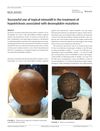
August 2019 in “Pediatric dermatology” Topical minoxidil helped an 8-year-old boy with a genetic hair disorder grow hair.
 55 citations
,
February 1985 in “Archives of Dermatology”
55 citations
,
February 1985 in “Archives of Dermatology” Using minoxidil on the scalp can help grow hair for people with hereditary baldness.
 August 2025 in “Journal of the American Academy of Dermatology”
 Minoxidil can temporarily increase hair shedding, causing anxiety and treatment discontinuation.
 6 citations
,
May 2012 in “Clinical and experimental dermatology”
6 citations
,
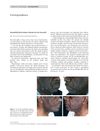
May 2012 in “Clinical and experimental dermatology” Oral minoxidil can cause inflamed, ingrown hairs in the beard area.
 December 2023 in “Current Dermatology Reports”
 Oral minoxidil is a potential treatment for hair loss.
6 citations
,
February 2018 in “PubMed” Minoxidil helps hair growth by promoting stem cell differentiation through increased ATP synthase activity.