
Low-dose oral minoxidil is safe and effective for treating hair loss, with most side effects being mild and reversible.
 26 citations
,
July 2003 in “Journal of Cutaneous Medicine and Surgery”
26 citations
,
July 2003 in “Journal of Cutaneous Medicine and Surgery” Minoxidil solution safely and effectively treats hair loss.
 13 citations
,
June 2016 in “Dermatologic Therapy”
13 citations
,
June 2016 in “Dermatologic Therapy” Minoxidil works better when applied on a damp scalp than a dry one.
 June 2024 in “Acta dermato-venereologica”
 Topical minoxidil effectively stimulates hair growth in men with hair loss.
 January 2026 in “Frontiers in Pharmacology”
 Minoxidil can treat hair loss with topical, oral, and sublingual options, offering personalized choices.
September 2024 in “Dermatology Online Journal” Facial hair growth from minoxidil stopped after she quit using it.
 1 citations
,
August 2017
1 citations
,
August 2017 Minoxidil helps stimulate hair growth and enlarge small follicles in common hair loss, but doesn't stop it, and its effects can be boosted when combined with finasteride.
 5 citations
,
January 2020 in “Skin Research and Technology”
5 citations
,
January 2020 in “Skin Research and Technology” Minoxidil 5% works better than 2% for hair growth in male-patterned hair loss.
6 citations
,
July 1985 in “British Journal of Dermatology” Topical minoxidil showed limited effectiveness for hair regrowth in alopecia areata.
 August 2023 in “Journal of Cosmetic Dermatology”
 Some plants like spinach, broccoli, and matcha may boost the effectiveness of the hair growth drug minoxidil.
November 2025 in “Revista Foco” Minoxidil effectively promotes hair growth for alopecia, especially when combined with other treatments and proper monitoring.
12 citations
,
October 2015 in “PubMed” Topical minoxidil significantly increases hair growth in androgenetic alopecia but only some patients see cosmetically acceptable results.
February 2025 in “Actas Dermo-Sifiliográficas” Low-dose oral minoxidil can help improve hair and eyebrow growth in people with frontal fibrosing alopecia.
 46 citations
,
January 1991 in “Journal of Investigative Dermatology”
46 citations
,
January 1991 in “Journal of Investigative Dermatology” Minoxidil works in liver and outer hair root sheath for hair growth.
 63 citations
,
April 2003 in “Journal of The European Academy of Dermatology and Venereology”
63 citations
,
April 2003 in “Journal of The European Academy of Dermatology and Venereology” Minoxidil use increases facial hair growth in females, more in older users.
 April 2017 in “Journal of Investigative Dermatology”
 Using a stimulating cream shampoo before applying Minoxidil increases its penetration into hair follicles and scalp.
 80 citations
,
October 1983 in “BMJ”
80 citations
,
October 1983 in “BMJ” Minoxidil helps hair regrowth in alopecia patients, with 16 having good results and no side effects.
38 citations
,
January 1993 in “PubMed” Minoxidil was crucial in advancing scientific research and treatments for hair loss.
 54 citations
,
February 1986 in “Archives of Dermatology”
54 citations
,
February 1986 in “Archives of Dermatology” Higher minoxidil concentration (5%) works better for severe hair loss, with most patients seeing regrowth in 48-60 weeks.
26 citations
,
January 1987 in “Dermatology” Topical minoxidil is safe and effective for some early male-pattern baldness cases.
1 citations
,
December 1995 in “Archives of Dermatology” The combination of topical minoxidil and oral finasteride improved hair regrowth in a man with advanced hair loss.
 3 citations
,
April 2016 in “PubMed”
3 citations
,
April 2016 in “PubMed” Using Minoxidil 5% foam with a botanical hair solution twice daily can significantly improve hair growth and appearance in men with hair loss, and is generally well-tolerated.
2 citations
,
March 2004 in “Journal of the American Academy of Dermatology” Minoxidil 5% solution quickly improves hair growth and density with minimal side effects.
 46 citations
,
April 1977 in “Southern Medical Journal”
46 citations
,
April 1977 in “Southern Medical Journal” Minoxidil causes excessive hair growth, but depilatory agent removes it safely and effectively.
 12 citations
,
January 2014 in “The Pan African medical journal”
12 citations
,
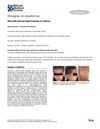
January 2014 in “The Pan African medical journal” Minoxidil caused unwanted hair growth in a child, but stopped after stopping treatment.
 May 2026 in “Revista Ensaios Pioneiros”
 A topical solution with minoxidil and rosemary oil may help treat hair loss.
September 1989 in “Drug and Therapeutics Bulletin” Topical minoxidil is not very effective for baldness.

Topical minoxidil often causes side effects like scalp irritation, but most users continue treatment.
December 2022 in “PubMed”  May 2026 in “Journal of the American Academy of Dermatology”
 Sublingual minoxidil safely increases hair growth in transgender people on testosterone therapy.