53 citations
,
July 2009 in “Cancer Research” Blocking certain proteins can reduce skin inflammation caused by cancer treatment.
TNFα and interleukin-1 blockers reduce skin inflammation from EGFR antibody therapy.
TNFα and interleukin-1 blockers reduce skin inflammation from EGFR antibody therapy.
Atopy and altered T cell functions contribute to Alopecia Areata.
January 2010 in “Zhongguo xiandai yixue/Zhongguo xiandai yixue zazhi” TGF-β1 and TNF-α contribute to lung damage after radiation.
147 citations
,
April 1997 in “Oncogene” Overexpressing IGF-1 in mice leads to skin abnormalities and tumors.
125 citations
,
February 2007 in “The EMBO Journal” Fgfr2b helps maintain healthy skin and prevent cancer.
91 citations
,
March 1996 in “Archives of Dermatological Research” Certain cytokines and growth factors can inhibit hair growth and may affect alopecia areata.
 24 citations
,
July 1994 in “Molecular Endocrinology”
24 citations
,
July 1994 in “Molecular Endocrinology” Researchers found an RNA transcript that might help control a growth factor linked to tumor development.
 23 citations
,
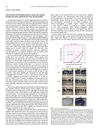
September 2011 in “Journal of Dermatological Science”
23 citations
,
September 2011 in “Journal of Dermatological Science” Red LED light helps mouse hair grow by increasing growth factors from skin cells.
8 citations
,
December 2023 in “International Journal of Molecular Sciences” Lower TNF-α levels in PRP may predict better treatment outcomes for bladder conditions.
 5 citations
,
January 2022 in “Molecular Medicine Reports”
5 citations
,
January 2022 in “Molecular Medicine Reports” Pine bark extract helps mice grow hair by reducing inflammation and boosting growth factors.
 2 citations
,
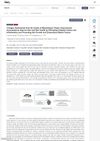
August 2023 in “Marine drugs”
2 citations
,
August 2023 in “Marine drugs” Collagen from tilapia scales may improve hair and skin health by reducing stress and inflammation and encouraging hair growth.
 January 2023 in “Skin Pharmacology and Physiology”
 Minor injuries to hair follicles can stimulate hair growth in mice by increasing a specific protein.
January 2023 in “Figshare” Minor skin injuries can boost hair growth by increasing TNF-α.
7 citations
,
October 2011 in “BMC Cancer” Overexpression of HDGF in melanocytes does not cause cancer.
 44 citations
,
September 2014 in “Cell Death & Differentiation”
44 citations
,
September 2014 in “Cell Death & Differentiation” Tumor suppressors help control inflammation in cancer and restoring their function could lead to new treatments.
64 citations
,
February 2008 in “Cancer Research” Inactivating both p53 and Rb genes in mice speeds up aggressive skin cancer development.
 1 citations
,
March 2022 in “Daehanhanuihakoeji”
1 citations
,
March 2022 in “Daehanhanuihakoeji” Artemisia sieversiana extract may help prevent hair loss and promote hair growth.
September 2025 in “International Journal of Molecular Sciences” Unmodified fullerene C60 promotes hair growth and may help treat hair loss.
Loss of the p53 gene alone causes tumors, and losing both p53 and Rb genes speeds up aggressive skin cancer.
Loss of the p53 gene alone causes tumors, and losing both p53 and Rb genes speeds up aggressive skin cancer.
 March 2023 in “Journal of Applied Biomedicine”
 Oleanolic acid improved hair growth in mice by affecting hair growth pathways and reducing inflammation.
 1 citations
,
January 2004 in “Journal of Physiology & Pathology in Korean Medicine”
1 citations
,
January 2004 in “Journal of Physiology & Pathology in Korean Medicine” Thuja orientalis extract significantly promotes hair growth in mice with hair loss.
 16 citations
,
April 2017 in “Journal of Cosmetic Dermatology”
16 citations
,
April 2017 in “Journal of Cosmetic Dermatology” Ficus carica leaf extract may help treat skin disorders by reducing inflammation and androgen effects in skin cells.
 3 citations
,
May 2022 in “The journal of investigative dermatology/Journal of investigative dermatology”
3 citations
,
May 2022 in “The journal of investigative dermatology/Journal of investigative dermatology” Skin lesions in Carney Complex are caused by a gene change in some skin cells that leads to increased pigmentation and may lead to tumors.
 August 2025 in “International Journal of Scientific Research in Biological Sciences”
 Higher levels of DHEA and TNF-α are linked to PCOS symptoms.
November 2024 in “Journal of Investigative Dermatology” Ursolic and shikimic acid together boost hair growth better than alone.
73 citations
,
November 2001 in “Journal of Investigative Dermatology Symposium Proceedings” Markers help differentiate between apocrine and eccrine sweat glands to identify sweat gland tumors.
3 citations
,
March 2019 in “American Journal of Dermatopathology” Recognizing rare tumor combinations is crucial for accurate diagnosis and treatment.