Search
for
Sort by
Research
540-570 / 1000+ resultsresearch MP73-14 TRANSURETHRAL RESECTION URINARY RETENTION PREDICTOR (TURP) SCORE: A NOVEL PERIOPERATIVE PREDICTOR OF POST-OPERATIVE URINARY RETENTION
A new score can help predict which patients might have trouble urinating after prostate surgery.

research Targeted transferosomal delivery of cetirizine: A new approach to alopecia management
Cetirizine-loaded gel may effectively promote hair growth in alopecia.

research <i>In-Vitro</i> Effect of Sex Steroids on Mouse Melanoma (B16F10) Cell Growth
Sex steroids, especially progesterone, can slow down the growth of mouse melanoma cells.
research Antihormonal properties of some new A-homo-B, 19-dinor steroids of the androstane series
New A-homo-B, 19-dinor steroids showed strong antiandrogenic activity without affecting the enzyme 5α-reductase or androgen receptor binding.
research LINCS Dataset-Based Repositioning of Dutasteride as an Anti-Neuroinflammation Agent
Dutasteride may help reduce brain inflammation and improve cognition.
research P0401 Finasteride 1 mg: Silent impacts on male fertility despite preserved hormonal balance
research 17‐beta estradiol and prednisolone as potential stimulators of hair re‐growth in chemotherapy‐induced human hair follicle damage via ‘dystrophic catagen’ promotion?
17-beta estradiol and prednisolone may help regrow hair damaged by chemotherapy.
research A randomized, active- and placebo-controlled study of the efficacy and safety of different doses of dutasteride versus placebo and finasteride in the treatment of male subjects with androgenetic alopecia
Dutasteride 0.5 mg works better than finasteride and placebo for increasing hair in men with hair loss.
research BPH: costs and treatment outcomes.
Tamsulosin is a cost-effective treatment for BPH symptoms.
research Re: Effect of Testosterone Supplementation With and Without a Dual 5α-Reductase Inhibitor on Fat-Free Mass in Men with Suppressed Testosterone Production: A Randomized Controlled Trial
Testosterone increases muscle mass regardless of DHT conversion blocking.
research Safety aspects of androgen treatment with 5α-dihydrotestosterone
DHT is a strong androgen that may pose less risk to the prostate compared to testosterone.
research Molecular interactions of progesterone derivatives with 5α-reductase types 1 and 2 and androgen receptors
Certain progesterone derivatives can inhibit enzymes and reduce androgenic activity, potentially affecting prostate growth.

research A population-based study of the risk of osteoporosis and fracture with dutasteride and finasteride
Dutasteride and finasteride have similar risk for osteoporosis and fractures in older men.
research PROCESS VALIDATION OF BETA-SITOSTEROL HAIR GEL FORMULATION AND EVALUATION OF 5 ALPHA REDUCTASE INHIBITION IN VITRO FOR THE TREATMENT OF ANDROGENETIC ALOPECIA
The β-sitosterol hair gel is effective and promising for treating hair loss.
research Dissolving microneedle patch loading dutasteride microspheres for the long-acting treatment of androgenetic alopecia
A dissolving microneedle patch with dutasteride offers effective, long-lasting hair loss treatment with fewer side effects.
research Assessment of the Pharmacokinetic -Pharmacodynamic Interaction Between Terazosin and Finasteride
Terazosin and finasteride together cause no major issues.
research A model for the turnover of dihydrotestosterone in the presence of the irreversible 5α-reductase inhibitors GI198745 and finasteride
Both drugs lower DHT levels, with GI198745 being more effective.
research Health Canada has approved finasteride [Proscar; Merck Frosst] and doxazosin cotherapy

research The Aromatase Inhibitor Fadrozole and the 5-Reductase Inhibitor Finasteride Affect Gonadal Differentiation and Gene Expression in the Frog Silurana tropicalis
Fadrozole and Finasteride change frog sex ratios and cause intersex animals with altered gene expressions.
research Cutaneous hydroxystereoid dehydrogenases and rat-hair-cycle
Certain enzymes react strongly with some hormones in rat skin during hair growth, mainly in sebaceous glands and hair sheaths.
research The 5α-reductase inhibitor Dutasteride but not Finasteride protects dopamine neurons in the MPTP mouse model of Parkinson’s disease
Dutasteride protects dopamine neurons in Parkinson's mice, but Finasteride doesn't.
research Effect of dose reduction of dutasteride in combination with alpha-blockers in patients with lower urinary tract symptoms/benign prostatic enlargement
Taking dutasteride every other day works as well as daily and better preserves sexual function.
research Sequential estrogen-progestin addition to gonadotropin-releasing hormone agonist suppression for the chronic treatment of ovarian hyperandrogenism: a pilot study.
The treatment effectively reduced hair growth and was safe for patients with PCOS, but it needs better bleeding control.
research Reply to Effectiveness of dutasteride in a large series of patients with frontal fibrosing alopecia in real clinical practice
Dutasteride can stabilize hair loss in patients with frontal fibrosing alopecia, but its safety in women is unclear, so use it with caution.
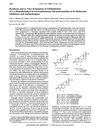
research Synthesis and in Vitro Evaluation of 4-Substituted N-(1,1-Dimethylethyl)-3-oxo-4-androstene-17.beta.-carboxamides as 5.alpha.-Reductase Inhibitors and Antiandrogens
The new compounds moderately block a specific enzyme and strongly counteract a male hormone, suggesting potential for treating certain male-related health conditions.

research A cross-sectional study to characterise the topical steroid dependent face by dermoscopy at a tertiary care centre
Dermoscopy is a useful tool for diagnosing and managing topical steroid dependent face.
research A prospective, randomized trial comparing flutamide (250 mg/d) and finasteride (5 mg/d) in the treatment of hirsutism
Flutamide reduces hair growth better but has more side effects.
research A new method for synthesis of finasteride
A new, safer method to make finasteride from progesterone is effective for industrial use.
research BH02 Reversibility of 5-alpha reductase inhibitor effects on semen parameters: a review of human evidence
Finasteride mildly affects semen but is reversible; dutasteride has stronger effects with incomplete recovery.