 1 citations
,
January 2018 in “Acta dermato-venereologica”
1 citations
,
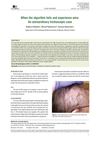
January 2018 in “Acta dermato-venereologica” A teenager's hair with alternating white and dark bands, known as Pili annulati, is a genetic condition that is usually harmless and often considered attractive.
6 citations
,
May 2024 in “Developmental Biology” 5 citations
,
February 2022 in “Molecular genetics & genomic medicine” New gene variants linked to a rare inherited hair loss disorder were found in three Chinese families.
March 2025 in “International Journal of Trichology” Trichodaganomania involves biting one's hair and needs combined psychological and medical treatment.
1 citations
,
February 2014 in “Italian journal of medicine” An 80-year-old woman with Cronkhite-Canada syndrome had multiple polyps and symptoms like diarrhea, hair loss, nail issues, and dark skin.
6 citations
,
January 2008 in “Indian Journal of Dermatology” Monilethrix, a genetic hair disorder causing fragile hair, affects three generations in a family.
 January 2026 in “Forum Dermatologicum”
 Thorough hair examination is crucial for accurate diagnosis and treatment.
6 citations
,
July 2005 in “Acta Ophthalmologica Scandinavica” Mitochondriopathy may cause eyelash loss.
9 citations
,
June 2017 in “American journal of ophthalmology. Case reports” A new mutation in the CDH3 gene causes hair loss and vision problems in a young girl.
18 citations
,
January 2018 in “BMC dermatology” A new mutation in the PLEC gene causes a rare condition with skin blistering, muscle weakness, and hair loss.
8 citations
,
November 2009 in “The Neurologist/The neurologist” If someone has scaly skin, muscle stiffness, and intellectual disability, doctors should consider Sjogren-Larsson Syndrome, but other conditions if more symptoms are present.
3 citations
,
February 2024 in “Forensic Sciences Research” Mitochondrial DNA from nails and hair can be effectively analyzed for forensic use.
21 citations
,
September 1997 in “British Journal of Dermatology” Monilethrix is linked to the type II keratin gene on chromosome 12q13.
 27 citations
,
October 2017 in “British Journal of Dermatology”
27 citations
,
October 2017 in “British Journal of Dermatology” Patients with GATA2 deficiency show early skin symptoms that help diagnose the condition.
8 citations
,
August 2019 in “ACR Open Rheumatology” Defective repair processes may cause immune activation and inflammation in psoriatic disease.
 November 2023 in “Global Medical Genetics”
 Netherton syndrome can cause severe dehydration, infections, and growth issues in infants.
 August 2025 in “International Journal of Contemporary Pediatrics”
 HLD10 can include increased body hair and Mongolian spots.
 17 citations
,
September 2010 in “Pediatric dermatology”
17 citations
,
September 2010 in “Pediatric dermatology” A 15-year-old with KID syndrome developed a rare skin condition called PEHFN.
13 citations
,
September 1997 in “Archives of Dermatology” The boy likely has a fungal infection causing hair loss.
43 citations
,
September 2001 in “Annals of Neurology” Hair root analysis can effectively detect somatic mosaicism in double cortex syndrome.
July 2025 in “Case Reports in Dermatology” Early detection and treatment are crucial to prevent irreversible hair loss in Lichen Planopilaris.
15 citations
,
April 1970 in “PubMed” Netherton's syndrome may have a familial link and doesn't always include atopy.
 December 2024 in “Chemical Senses”
 Taste disorders in Cronkhite-Canada syndrome are severe in the front of the tongue but improve with treatment.
19 citations
,
July 1994 in “International Journal of Dermatology” A 9-year-old boy had a calcium deposit nodule on his earlobe.
May 2015 in “European Journal of Paediatric Neurology” ECCL should be considered in patients with specific skin and eye lesions.
October 2020 in “Pediatrics in Review” The newborn was diagnosed with a rare skin disorder causing blisters, which requires careful wound care and family support.
A new mutation in the TRPS1 gene caused Trichorhinophalangeal syndrome in a 17-year-old, highlighting the need for genetic testing.

Polarized microscopy helps identify hair irregularities in genetic disorders.

Nicolaides-Baraitser syndrome may cause eczema and hair loss, needing early skin care and treatment.
 21 citations
,
April 1982 in “Genetics Research”
21 citations
,
April 1982 in “Genetics Research” Mice with the naked gene have missing or abnormal hair cells.