JAK inhibitors show promise in treating moderate to severe alopecia areata.
 2 citations
,
June 2019 in “Boletín médico del Hospital Infantil de México”
2 citations
,
June 2019 in “Boletín médico del Hospital Infantil de México” Tofacitinib treatment is used for teenagers with alopecia areata.
2 citations
,
February 2024 in “Indian Dermatology Online Journal” Tofacitinib effectively improved hair regrowth and skin condition in a woman with alopecia totalis and lichen planus hypertrophicus.
 60 citations
,
January 2004 in “The journal of investigative dermatology/Journal of investigative dermatology”
60 citations
,
January 2004 in “The journal of investigative dermatology/Journal of investigative dermatology” Applying a specific inhibitor lightens skin and hair color.
 1 citations
,
January 2024 in “Curēus”
1 citations
,
January 2024 in “Curēus” Upadacitinib significantly improved a man's severe scalp condition when other treatments failed.
 1 citations
,
July 2019 in “Medicina Clínica (English Edition)”
1 citations
,
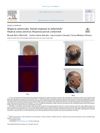
July 2019 in “Medicina Clínica (English Edition)” Tofacitinib partially improved hair regrowth in a patient with severe hair loss.
48 citations
,
July 2023 in “Pediatric Dermatology” Ritlecitinib effectively regrows hair in adolescents with alopecia areata and is safe.
![Discovery of 7-Methoxy-6-[4-(4-Methyl-1,3-Thiazol-2-yl)-1H-Imidazol-5-yl]-1,3-Benzothiazole (TASP0382088): A Potent and Selective Transforming Growth Factor-β Type I Receptor Inhibitor as a Topical Drug for Alopecia](/images/assets/9620bd26-3366-4f2a-bcac-f511697bbc41/small/35997.jpg) 6 citations
,
January 2013 in “Chemical & pharmaceutical bulletin/Chemical and pharmaceutical bulletin”
6 citations
,
January 2013 in “Chemical & pharmaceutical bulletin/Chemical and pharmaceutical bulletin” A new compound shows promise as a topical treatment for hair loss.
1 citations
,
April 2023 in “Heliyon” Disitamab vedotin and gemcitabine effectively treated bladder cancer without major side effects.
 11 citations
,
December 2018 in “Journal of the European Academy of Dermatology and Venereology”
11 citations
,
December 2018 in “Journal of the European Academy of Dermatology and Venereology” Stopping JAK inhibitor treatment for hair loss can lead to worse hair loss than before the treatment.
 2 citations
,
April 2022 in “Cutaneous and Ocular Toxicology”
2 citations
,
April 2022 in “Cutaneous and Ocular Toxicology” Tofacitinib may help treat hair loss in children with alopecia areata.
113 citations
,
May 2002 in “PubMed” Overexpressing COX-2 in mice skin reduces skin tumor development.
 May 2026 in “Journal of Dermatological Treatment”
 Patients with alopecia areata prefer treatments that regrow scalp hair quickly over how often they need to take the medication.
 November 2017 in “Asian journal of pharmaceutical and clinical research”
 Three compounds from Dadap leaves may help treat hair loss.
August 2024 in “JAAD Case Reports” Upadacitinib successfully regrew hair in a child with alopecia universalis and specific genetic mutations.
June 2026 in “Khyber Journal Of Medical Sciences” Tofacitinib works better than methotrexate for severe alopecia in the short term.
1 citations
,
September 2023 in “Journal of the American Academy of Dermatology” Ritlecitinib effectively regrows and maintains scalp, eyebrow, and eyelash hair in alopecia areata patients.
16 citations
,
January 2020 in “Annals of the rheumatic diseases” Baricitinib might help treat hair loss in lupus patients, but more research is needed.
 1 citations
,
January 2021 in “Skin appendage disorders”
1 citations
,
January 2021 in “Skin appendage disorders” A woman with alopecia regrew her hair after taking a higher dose of tocilizumab.
November 2024 in “SKIN The Journal of Cutaneous Medicine” Ritlecitinib effectively reduces severe hair loss in alopecia areata over 24 months.
Upadacitinib and oral minoxidil improved Crohn's disease and hair regrowth in a patient.
31 citations
,
November 2015 in “PloS one” Reducing Tyrosinase prevents mature color pigment cells from forming in mouse hair.
 November 2023 in “Dermatologica sinica/Zhōnghuá pífūkē yīxué zázhì”
 Upadacitinib helped regrow hair in a severe alopecia areata patient but stopping treatment caused hair loss to return.
 6 citations
,
May 1986 in “Cancer Chemotherapy and Pharmacology”
6 citations
,
May 1986 in “Cancer Chemotherapy and Pharmacology” The drug TGU was ineffective against small cell lung cancer and caused significant bone marrow suppression.
 5 citations
,
May 2011 in “Movement Disorders”
5 citations
,
May 2011 in “Movement Disorders” Finasteride may help reduce tic severity in male Tourette syndrome patients.
June 2025 in “British Journal of Dermatology” Irish dermatologists urgently need guidelines for using JAK inhibitors in treating alopecia areata.
2 citations
,
May 2008 in “Journal of Clinical Oncology” AZD6244 treatment causes skin aging effects by depleting skin stem cells.
July 2025 in “Ultrasound in Medicine & Biology” UTMD with diclofenac and Doxil® improves cancer treatment by boosting immune response and reducing tumor-supporting cells.
 1 citations
,
July 2023 in “Cancers”
1 citations
,
July 2023 in “Cancers” Skin side effects from CDK4/6 inhibitors in breast cancer patients are generally mild and treatable, allowing most patients to continue treatment.
 5 citations
,
June 2012 in “The journal of investigative dermatology/Journal of investigative dermatology”
5 citations
,
June 2012 in “The journal of investigative dermatology/Journal of investigative dermatology” Putting thymidine dinucleotide on newborn mice's skin can delay and reduce skin cancer.