 88 citations
,
July 2014 in “Journal of the American Academy of Dermatology”
88 citations
,
July 2014 in “Journal of the American Academy of Dermatology” Targeted cancer therapies often cause skin reactions, so dermatologists must manage these effects.
 81 citations
,
October 2014 in “The journal of investigative dermatology/Journal of investigative dermatology”
81 citations
,
October 2014 in “The journal of investigative dermatology/Journal of investigative dermatology” Certain genes control the color of human hair by affecting pigment production.
 65 citations
,
April 2021 in “Natural Products and Bioprospecting”
65 citations
,
April 2021 in “Natural Products and Bioprospecting” Dendrobium plants have compounds useful for treating skin issues and developing new drugs and cosmetics.
 60 citations
,
January 2004 in “The journal of investigative dermatology/Journal of investigative dermatology”
60 citations
,
January 2004 in “The journal of investigative dermatology/Journal of investigative dermatology” Applying a specific inhibitor lightens skin and hair color.
 57 citations
,
February 1994 in “Experimental dermatology”
57 citations
,
February 1994 in “Experimental dermatology” Melatonin affects mouse skin and may regulate skin functions.
51 citations
,
January 2007 in “The journal of investigative dermatology/Journal of investigative dermatology” Scientists discovered a unique hair protein, KAP24.1, with a special structure, found only in the upper part of hair cuticles.
48 citations
,
May 2002 in “Journal of Anatomy” VEGFs increase blood vessel permeability, especially in diseases like cancer and heart disease.
37 citations
,
July 2002 in “Archives of Pathology & Laboratory Medicine” Tyrosinase and gp100 proteins can help diagnose and treat melanoma.
32 citations
,
May 2023 in “Preprints.org” Skin pigmentation varies due to genetics, UV exposure, and medications, with treatments available but requiring medical advice.
 27 citations
,
August 2006 in “Laboratory Investigation”
27 citations
,
August 2006 in “Laboratory Investigation” SCF and ET-1 together significantly increase skin pigmentation and melanin production.
 26 citations
,
October 2018 in “Clinical & Translational Oncology”
26 citations
,
October 2018 in “Clinical & Translational Oncology” Spanish experts provided guidelines for treating skin side effects in cancer patients on new therapies, stressing early action and teamwork.
25 citations
,
September 2014 in “SpringerPlus” Sheep have a unique gene, KAP8-2, that humans don't have, which may affect wool properties.
 25 citations
,
January 2011 in “Annals of Dermatology”
25 citations
,
January 2011 in “Annals of Dermatology” Erlotinib can cause hair loss as a side effect.
25 citations
,
August 2015 in “Molecules” Mimosine dipeptides are promising for treating hyperpigmentation and inflammation.
 24 citations
,
September 2008 in “Clinical and experimental dermatology”
24 citations
,
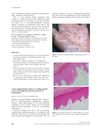
September 2008 in “Clinical and experimental dermatology” Repigmentation in vitiligo may come from melanocyte stem cells in the skin.
23 citations
,
January 1981 Hair is mostly made of three protein types: helical, high-sulfur, and high-tyrosine.
22 citations
,
May 2011 in “European Journal of Cancer” The drug combination was safe and showed promise in treating advanced tumors.
18 citations
,
February 2023 in “Plants” Purple glutinous rice extracts can help whiten skin and reduce aging signs.
 18 citations
,
September 2016 in “International Journal of Molecular Sciences”
18 citations
,
September 2016 in “International Journal of Molecular Sciences” Polydeoxyribonucleotide (PDRN) may help lighten skin and treat hyperpigmentation.
17 citations
,
May 2013 in “Journal of Investigative Dermatology” Mutations in β1 integrins cause embryonic death but have milder effects on skin.
 16 citations
,
April 2012 in “Journal of mammalogy”
16 citations
,
April 2012 in “Journal of mammalogy” Young female Australian fur seals are losing hair due to low tyrosine and zinc levels and high pollution exposure.
15 citations
,
October 1976 in “Biochemical Journal” Naked-mouse hair lacks certain proteins and has less soluble fibril.
15 citations
,
June 2021 in “International Journal of Molecular Sciences” CMC2.24 and CMC2.23 reduce melanin safely and effectively.
14 citations
,
September 2017 in “Hereditas” Genes influence horse coat color and may help understand human skin conditions.
 13 citations
,
December 2017 in “CNS Neuroscience & Therapeutics”
13 citations
,
December 2017 in “CNS Neuroscience & Therapeutics” Finasteride affects young male rats' brain function and behavior negatively.
 12 citations
,
August 1984 in “Genetics Research”
12 citations
,
August 1984 in “Genetics Research” The N gene affects the protein makeup of mouse hair.
11 citations
,
November 1991 in “Journal of Neuropathology & Experimental Neurology” Brindled mice show abnormal catecholamine neuron development due to copper deficiency.
11 citations
,
January 2016 in “Evidence-based Complementary and Alternative Medicine” Rice bran extract can increase melanin production and may help treat melanin deficiency.
10 citations
,
August 2016 in “Dermatology Online Journal” Nilotinib can cause skin issues like red bumps and hair loss.
 10 citations
,
May 2016 in “Journal of Dermatological Science”
10 citations
,
May 2016 in “Journal of Dermatological Science” PDGF-BB helps young melanocytes grow but stops mature ones from growing, and it makes melanocytes more specialized.