99 citations
,
March 2013 in “Journal of Investigative Dermatology” Mutations in the ABCB6 gene cause Dyschromatosis Universalis Hereditaria.

Removing SIX1 in fat cells reduces skin fibrosis.
 14 citations
,
September 2018 in “The journal of allergy and clinical immunology/Journal of allergy and clinical immunology/The journal of allergy and clinical immunology”
14 citations
,
September 2018 in “The journal of allergy and clinical immunology/Journal of allergy and clinical immunology/The journal of allergy and clinical immunology” A boy's growth and immune problems were caused by a new mutation in the STAT5B gene.
Matriptase-2 helps control iron levels by suppressing hepcidin, and its deficiency can cause iron-deficiency anemia.
September 2025 in “Development” Nelfb is crucial for forming skin fat tissue by regulating genes needed for fat cell development.
 48 citations
,
August 2018 in “Nature Communications”
48 citations
,
August 2018 in “Nature Communications” JunB is crucial for maintaining healthy skin and hair follicles.
July 2025 in “Journal of Investigative Dermatology” Nelfb is essential for dermal fat development and survival.
 23 citations
,
December 2017 in “Scientific Reports”
23 citations
,
December 2017 in “Scientific Reports” ARL15 is important for fat cell development and the release of the hormone adiponectin.
87 citations
,
November 2002 in “Journal of Investigative Dermatology” 37 citations
,
August 2024 in “Current Issues in Molecular Biology” Keratins 6, 16, and 17 increase in damaged or diseased skin and may help diagnose skin issues.
December 2021 in “Figshare” BBS7 is essential for maintaining healthy gums and teeth.
November 2025 in “The Journal of Immunology” BTNL2 helps protect hair follicles from immune attacks, which could aid in treating alopecia areata.
 13 citations
,
May 2011 in “Bioorganic & Medicinal Chemistry”
13 citations
,
May 2011 in “Bioorganic & Medicinal Chemistry” Changing the 6-position on benzopyran molecules affects insulin release, with some compounds showing strong inhibitory effects.
63 citations
,
April 2005 in “Mechanisms of development” Mice with too much Claudin-6 have skin barrier problems and abnormal hair growth.
 April 2018 in “The journal of investigative dermatology/Journal of investigative dermatology”
 GATA6 is important for maintaining and differentiating cells in a key area of human skin.
December 2025 in “Journal of 108 - Clinical Medicine and Phamarcy” B blood type has the highest growth factors and cytokines in umbilical cord blood-derived PRP.
 91 citations
,
May 2005 in “The Journal of Clinical Endocrinology & Metabolism”
91 citations
,
May 2005 in “The Journal of Clinical Endocrinology & Metabolism” A new mutation in the human glucocorticoid receptor reduces its function and causes resistance to glucocorticoids.
62 citations
,
March 2017 in “Journal of Investigative Dermatology” Mutations in the ACTB gene cause Becker’s nevi and may lead to muscle issues in Becker’s nevus syndrome.
 April 2017 in “Journal of Dermatological Science”
 B cells can both help and hinder the body's defense against melanoma.
 August 2023 in “Journal of Dermatological Science”
 A specific RNA molecule blocks hair growth by affecting a protein related to hair loss conditions.
 April 2019 in “Journal of Investigative Dermatology”
 Non-coding RNA boosts retinoic acid production and signaling, aiding regeneration.
5 citations
,
May 2023 in “Frontiers in Cell and Developmental Biology” Integrin α6 helps identify different neural crest cell types in the skin.
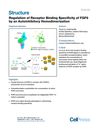 24 citations
,
July 2017 in “Structure”
24 citations
,
July 2017 in “Structure” FGF9 controls which receptors it binds to through a process where two FGF9 molecules join, and changes in FGF9 can lead to incorrect receptor activation.
75 citations
,
October 1999 in “Differentiation” Mouse keratin 6 isoforms have different expression patterns in various tissues.
 September 2016 in “Journal of the Egyptian Women's Dermatologic Society (Print)”
 Higher RBP4 levels found in people with two types of hair loss.
December 2021 in “Figshare” BBS7 is crucial for maintaining healthy gums through Shh signaling.
 April 2010 in “The Journal of Urology”
 The research found that androgens help control blood flow in the rat prostate through a specific binding site.
September 2025 in “Genes & Diseases” Lgr6+ cells are important for tissue repair and could be a target for treating cancer and other diseases.
August 2020 in “Benha Journal of Applied Sciences” Higher FABP4 levels may help diagnose androgenetic alopecia early.
 January 2024 in “Theranostics”
 HDAC6 helps keep ovarian follicles dormant, extending female fertility.