26 citations
,
April 2022 in “Evidence-based Complementary and Alternative Medicine” Anethole reduces inflammation and oxidative stress in colitis.
 January 1987 in “Side effects of drugs annual”
 Some cosmetics and dermatological drugs can cause allergic reactions and side effects, like skin irritation and systemic issues.
55 citations
,
November 2019 in “Cellular and Molecular Gastroenterology and Hepatology” Biotin may help treat inflammatory bowel disease by reducing inflammation and improving gut health.
37 citations
,
October 2021 in “Journal of Clinical Investigation” Skin inflammation can worsen intestinal inflammation and colitis.
 January 2021 in “Springer eBooks”
 Different rheumatological diseases can cause specific skin problems.
 October 2022 in “International journal of research and review”
 A man had severe stomach issues after a dental treatment with Formacresol, which improved with a different medication.
 January 2024 in “Journal of chemical health risks”
 Gold nanoparticles show promise for treating inflammatory bowel disease by reducing inflammation and colon injury.
 23 citations
,
August 2018 in “Biochimica and biophysica acta. Molecular and cell biology of lipids”
23 citations
,
August 2018 in “Biochimica and biophysica acta. Molecular and cell biology of lipids” Different sPLA2 enzymes affect immunity, skin and hair health, reproduction, and may be potential targets for therapy.
 14 citations
,
January 2017 in “Elsevier eBooks”
14 citations
,
January 2017 in “Elsevier eBooks” CBG may help with various medical conditions but needs more human research to confirm safety and effectiveness.
 14 citations
,
May 2021 in “Marine Drugs”
14 citations
,
May 2021 in “Marine Drugs” PDRN, derived from salmon sperm, shows promise in healing wounds, reducing inflammation, and regenerating tissues, but more research is needed to understand its mechanisms and improve its use.
September 2007 in “The American Journal of Gastroenterology” Recognizing lupus as a cause of severe gut issues is crucial for effective treatment.
38 citations
,
November 2020 in “International journal of biochemistry & cell biology” Keratin proteins are essential for keeping the cells in the human colon healthy and stable.
 33 citations
,
June 2012 in “Journal of Crohn's and colitis”
33 citations
,
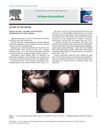
June 2012 in “Journal of Crohn's and colitis” Alopecia Areata might be linked to Crohn's disease.
 2 citations
,
February 2014 in “Journal of Crohn's and colitis”
2 citations
,
February 2014 in “Journal of Crohn's and colitis” Some IBD patients on anti-TNFs developed severe skin issues, but ustekinumab helped.
 May 2011 in “British Journal of Dermatology”
 The 1891 epidemic skin disease was likely caused by arsenic poisoning, possibly from beer or fish.
 84 citations
,
August 2023 in “Drugs”
84 citations
,
August 2023 in “Drugs” Ritlecitinib is approved in the USA and Japan for treating severe hair loss in people aged 12 and older.
 18 citations
,
March 1984 in “BMJ”
18 citations
,
March 1984 in “BMJ” Minoxidil helps hair regrowth in alopecia, but more research needed.
 12 citations
,
January 1984 in “Anesthesia & Analgesia”
12 citations
,
January 1984 in “Anesthesia & Analgesia” Anesthesia and surgery can cause temporary hair loss, but hair usually grows back without treatment.
 5 citations
,
September 2011 in “Pediatric Dermatology”
5 citations
,
September 2011 in “Pediatric Dermatology” Two young siblings experienced hair loss without hormone issues or other skin problems.
 3 citations
,
June 1989 in “Diseases of the Colon & Rectum”
3 citations
,
June 1989 in “Diseases of the Colon & Rectum” Some patients temporarily lost hair after a certain bowel surgery, but it grew back without needing special treatment.
 1 citations
,
January 2013 in “The Journal of Dermatology”
1 citations
,
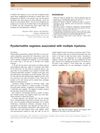
January 2013 in “The Journal of Dermatology” A skin condition called pyodermatitis vegetans was found in a patient with multiple myeloma for the first time.
 118 citations
,
July 2005 in “Journal of Ethnopharmacology”
118 citations
,
July 2005 in “Journal of Ethnopharmacology” Eclipta alba extract improved learning, memory, and stress-related ulcers in rats without affecting movement or causing anxiety.
 73 citations
,
May 1976 in “JAMA”
73 citations
,
May 1976 in “JAMA” Long-term parenteral nutrition without zinc can cause severe zinc deficiency.
 60 citations
,
September 2013 in “Alimentary Pharmacology & Therapeutics”
60 citations
,
September 2013 in “Alimentary Pharmacology & Therapeutics” Immunosuppressive and anti-TNF therapies in IBD patients can increase the risk of skin cancer and cause various skin issues.
 44 citations
,
September 2014 in “Cell Death & Differentiation”
44 citations
,
September 2014 in “Cell Death & Differentiation” Tumor suppressors help control inflammation in cancer and restoring their function could lead to new treatments.
 27 citations
,
September 2015 in “PharmaNutrition”
27 citations
,
September 2015 in “PharmaNutrition” Astaxanthin is a safe antioxidant that may improve heart, skin, eye health, and physical performance, and help manage chronic diseases.
 26 citations
,
August 2014 in “Genetic Testing and Molecular Biomarkers”
26 citations
,
August 2014 in “Genetic Testing and Molecular Biomarkers” High levels of TNF-α may contribute to obesity and insulin resistance in PCOS, but not due to the C850T genetic variation.
 19 citations
,
September 2010 in “The American journal of pathology”
19 citations
,
September 2010 in “The American journal of pathology” High glucocorticoids cause pancreatic malfunction and malabsorption, reversible with enzyme supplements.
 18 citations
,
April 2013 in “Inflammatory Bowel Diseases”
18 citations
,
April 2013 in “Inflammatory Bowel Diseases” People with Inflammatory Bowel Disease often lose hair due to stress, medication side effects, or lack of nutrients, and treatment depends on the specific cause.
 14 citations
,
January 2020 in “Advances in Dermatology and Allergology”
14 citations
,
January 2020 in “Advances in Dermatology and Allergology” Higher interleukin-15 levels are linked to more severe alopecia areata, but not to age or gender.