 June 2008 in “Experimental dermatology”
 Melatonin protects skin and hair from damage and stress by acting as an antioxidant and influencing cell growth.
September 1998 in “Journal of the European Academy of Dermatology and Venereology” PUVA-turban therapy can help some people with severe alopecia areata regrow hair.
213 citations
,
December 1994 in “Medical Entomology and Zoology” Skin cancer involves complex mechanisms, risk factors, and can be potentially prevented with strategies like dietary changes and certain compounds.
69 citations
,
January 1995 in “PubMed” Mouse melanocyte structure and function are influenced by genetics, hormones, and environmental factors.
4 citations
,
December 2021 in “Vestnik dermatologii i venerologii” Nonsurgical treatments for basal cell skin cancer are safe and effective.
 3 citations
,
January 2022 in “Journal of The American Academy of Dermatology”
3 citations
,
January 2022 in “Journal of The American Academy of Dermatology” Using sunscreen and moisturizers may increase the chance of developing Frontal fibrosing alopecia (FFA), but the exact reason why is still unclear.
 1 citations
,
May 2020 in “Journal of The American Academy of Dermatology”
1 citations
,
May 2020 in “Journal of The American Academy of Dermatology” The authors agree more research with proper control groups is needed to understand hair loss.
 1 citations
,
November 2017 in “The journal of investigative dermatology/Journal of investigative dermatology”
1 citations
,
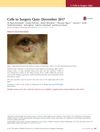
November 2017 in “The journal of investigative dermatology/Journal of investigative dermatology” Mohs micrographic surgery is effective for treating basal cell carcinoma on the eyelid, while radiotherapy has higher recurrence rates, and topical vitamin D3 may reduce and delay BCC formation in mice.
 April 2023 in “The journal of investigative dermatology/Journal of investigative dermatology”
 Melanocytes are cells that make skin and hair color and help protect skin from sun damage.
 November 2022 in “The journal of investigative dermatology/Journal of investigative dermatology”
 Hemoglobin α acts as an antioxidant in skin cells, especially protecting hair follicle stem cells from UV damage.
 November 2022 in “Journal of Investigative Dermatology”
 The study found that skin inflammation and immune response pathways are activated in Solar Urticaria patients after UV exposure, unlike in healthy people.
 October 2021 in “Nepal journal of dermatology, venereology & leprology”
 Melatonin is good for skin health and may help treat skin conditions.
February 2021 in “Cermin Dunia Kedokteran” Vitamin D helps protect skin from aging and can improve hair growth.
Lychnophora salicifolia extract in liposomes may protect skin from UV damage and inflammation.
 January 2014 in “Journal of Pigmentary Disorders”
 Women's hair gets thinner and grayer as they age, with treatments available for hair loss and graying.
January 2012 in “Human health handbooks” The skin produces and uses vitamin D for bone health, cell growth, and immune function.
 3 citations
,
October 2021 in “Clinical, Cosmetic and Investigational Dermatology”
3 citations
,
October 2021 in “Clinical, Cosmetic and Investigational Dermatology” Scalp melanoma, a deadly skin cancer, is often found late due to its hard-to-see location, especially in older men. Early detection, possible treatments, and the role of hairdressers in spotting it early are discussed. More research is needed to improve detection and treatment.
 16 citations
,
February 2015 in “Photochemistry and Photobiology”
16 citations
,
February 2015 in “Photochemistry and Photobiology” Hair acts as a significant natural sun barrier, with protection increasing based on hair density, thickness, and melanin presence.
 6 citations
,
July 2013 in “Experimental and Therapeutic Medicine”
6 citations
,
July 2013 in “Experimental and Therapeutic Medicine” Ginsenoside Rg1 protects mouse skin from UVB damage and helps control inflammation.
 July 2022 in “The journal of investigative dermatology/Journal of investigative dermatology”
 Increasing type 17 collagen reduces aging signs in skin cells caused by UV light.
July 2025 in “Journal of Investigative Dermatology” Monocyte-derived dendritic cells play a key role in UVB-induced skin sensitivity and inflammation.
 14 citations
,
October 2021 in “Dermatology and Therapy”
14 citations
,
October 2021 in “Dermatology and Therapy” UV exposure accelerates skin aging by altering elastin, leading to wrinkles.
24 citations
,
January 2009 in “International Journal of Trichology” Sunlight exposure ages hair, making it brittle, stiff, and dry.
 July 2023 in “Photodermatology, Photoimmunology and Photomedicine”
 Infrared radiation can cause skin aging and cancer at high temperatures but may have therapeutic benefits at controlled levels.
13 citations
,
September 2014 in “Journal of photochemistry and photobiology. B, Biology” UV radiation increases protein loss from hair and reduces hair protein quality.
 May 2021 in “British Journal of Dermatology”
 Different tiny organisms live in human hair follicles and can affect both health and skin conditions, including acne and hair loss.
 128 citations
,
September 2011 in “British Journal of Dermatology”
128 citations
,
September 2011 in “British Journal of Dermatology” Obesity is linked to various skin problems and may increase the risk of skin cancer.
August 2010 in “The Journal of urology/The journal of urology” Male pattern baldness may be linked to prostate cancer risk.
 9 citations
,
September 2009 in “Journal of Cutaneous Medicine and Surgery”
9 citations
,
September 2009 in “Journal of Cutaneous Medicine and Surgery” UV light causes skin color loss in bald areas; wear a cap and use sunscreen.
 20 citations
,
December 2013 in “Journal of Dermatology”
20 citations
,
December 2013 in “Journal of Dermatology” UV-B light increases inflammation-related substances in acne-related skin cells.