 27 citations
,
January 2002 in “Exogenous Dermatology”
27 citations
,
January 2002 in “Exogenous Dermatology” Chronic exposure to sunlight may worsen male pattern baldness and protecting the scalp from the sun could slow it down.
 September 2025 in “International Journal of Cosmetic Science”
 Heat and UV exposure damage hair structure by altering keratins.
February 2026 in “UiTM Institutional Repositories (Universiti Teknologi MARA)” Cis-UCA can form new compounds without enzymes, and sulphide donors reduce its UVB-induced toxicity in skin cells.
 6 citations
,
October 2007 in “Medical Hypotheses”
6 citations
,
October 2007 in “Medical Hypotheses” Male pattern baldness might have evolved to help protect against prostate cancer by increasing UV radiation on the scalp.
8 citations
,
April 2016 in “Experimental dermatology” B6.Cg-Tyr c−2J Hr hr /J mice have a stronger delayed sunburn reaction and are good for UV research.
2 citations
,
December 2013 in “Journal of Cosmetic Dermatology” UV treatment can damage hair, so protection is advised.
March 2023 in “Chinese Journal of Dermatology” Protecting hair and scalp from sunlight may help prevent hair loss.
 9 citations
,
September 2009 in “Journal of Cutaneous Medicine and Surgery”
9 citations
,
September 2009 in “Journal of Cutaneous Medicine and Surgery” UV light causes skin color loss in bald areas; wear a cap and use sunscreen.
 January 2024 in “Skin appendage disorders”
 Environmental pollutants can damage hair health and cause hair loss.
7 citations
,
January 2002 in “PubMed” Prolonged UVB exposure causes significant skin changes and damage in rats.
22 citations
,
September 1986 in “Journal of Investigative Dermatology” Low-dose topical alpha-terthienyl may be a safer option for treating skin conditions with light therapy.
2 citations
,
January 2014 in “Photochemical & photobiological sciences” Grasp protein helps maintain skin health after UVB exposure.
Heated radish extract may help lighten skin and reduce aging signs.
 14 citations
,
October 2021 in “Dermatology and Therapy”
14 citations
,
October 2021 in “Dermatology and Therapy” UV exposure accelerates skin aging by altering elastin, leading to wrinkles.
 1 citations
,
May 2009 in “Annales de Dermatologie et de Vénéréologie”
1 citations
,
May 2009 in “Annales de Dermatologie et de Vénéréologie” Environmental factors like smoking, UV exposure, and poor diet contribute to hair loss and graying, and lifestyle changes can help manage it.
August 2025 in “International Journal of Clinical Dermatology” A new skin cancer can develop where shingles once occurred.
 January 2005 in “Seibutsu Butsuri/Seibutsu butsuri”
 Chemical treatments damage hair more than UV exposure, making it thinner and less flexible.
31 citations
,
February 1999 in “Dermatologic surgery” Sun exposure after laser hair removal can cause skin darkening, which is hard to treat and requires avoiding UV light.
24 citations
,
January 2009 in “International Journal of Trichology” Sunlight exposure ages hair, making it brittle, stiff, and dry.
 December 2024 in “Cell Communication and Signaling”
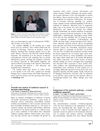
 Fat tissue vesicles protect skin from UV damage better than stem cell vesicles.
 June 2008 in “Experimental dermatology”
 Melatonin protects skin and hair from damage and stress by acting as an antioxidant and influencing cell growth.
 19 citations
,
July 2009 in “Clinical and Experimental Dermatology”
19 citations
,
July 2009 in “Clinical and Experimental Dermatology” The study found that long-term sun exposure does not significantly affect follicular plugs on the scalp, and the scalp's appearance is unique compared to other body parts.
February 2024 in “International journal of molecular sciences” UV exposure reduced hair shine in mice, but minoxidil helped restore it.
3 citations
,
January 2005 in “Photochemistry and Photobiology” Protein kinase C epsilon may promote skin cancer development after UV exposure by affecting nearby cells.
14 citations
,
September 2016 in “Journal of Photochemistry and Photobiology B Biology” UV exposure damages hair, increasing thiols and altering protein structure.
13 citations
,
September 2014 in “Journal of photochemistry and photobiology. B, Biology” UV radiation increases protein loss from hair and reduces hair protein quality.
Different types of sun exposure damage skin cells and immune cells, with chronic exposure leading to more severe and lasting damage.
1 citations
,
January 2010 in “Biophysical journal” Hair fluorescence intensity can measure radiation exposure effectively.
 10 citations
,
July 2022 in “Dermatology and Therapy”
10 citations
,
July 2022 in “Dermatology and Therapy” Melasma's causes include genetics, sun exposure, hormones, and oxidative stress, and understanding these can help create better treatments.
 November 2022 in “Journal of Investigative Dermatology”
 The study found that skin inflammation and immune response pathways are activated in Solar Urticaria patients after UV exposure, unlike in healthy people.