37 citations
,
May 2018 in “Transgender health” Oral estradiol works for many transgender women but needs personalized dosing and monitoring.
50 citations
,
July 2018 in “Psychoneuroendocrinology” Hair cortisol can indicate long-term stress levels, but hair growth rate differences may affect accuracy.
 14 citations
,
December 1998 in “The Journal of Clinical Endocrinology and Metabolism”
14 citations
,
December 1998 in “The Journal of Clinical Endocrinology and Metabolism” MENT could be a better option than testosterone for male hormone therapy and birth control because it works well at lower doses and has fewer side effects on the prostate.
 1 citations
,
August 2012 in “Journal der Deutschen Dermatologischen Gesellschaft”
1 citations
,
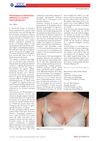
August 2012 in “Journal der Deutschen Dermatologischen Gesellschaft” A woman's hyperandrogenism was caused by a genetic mutation leading to non-classic adrenogenital syndrome.
October 2020 in “Journal of the American Society of Nephrology” Drospirenone can hide symptoms of certain hormonal disorders, complicating diagnosis.
 12 citations
,
December 2017 in “Scientific reports”
12 citations
,
December 2017 in “Scientific reports” The new test can measure very small amounts of testosterone in hair, and grinding the hair up first gives more accurate results.
 January 2023 in “Archives of Disease in Childhood Education & Practice”
 Hirsutism in teens is often due to polycystic ovarian syndrome and needs careful assessment and support.
2 citations
,
September 2025 in “Cosmetics” Hormonal therapies can improve skin issues by adjusting hormone levels, with future advancements promising better results.
18 citations
,
March 2010 in “Gynecologic and obstetric investigation” The oral contraceptive alone is the preferred treatment for hirsutism, as adding the GnRH analog showed no significant benefit.
2 citations
,
January 2018 in “International Journal of Trichology” The hCG diet and testosterone therapy can cause hair loss in some people.
 7 citations
,
January 2014 in “Case reports in endocrinology”
7 citations
,
January 2014 in “Case reports in endocrinology” A woman's excessive hair growth was caused by a rare benign tumor in her adrenal gland, which was successfully removed.
 1 citations
,
March 2012 in “Journal of Dermatological Science”
1 citations
,
March 2012 in “Journal of Dermatological Science” Testosterone, progesterone, and levonorgestrel change enzyme levels related to fat production in hamster skin, which could affect skin oil and acne.
7 citations
,
December 1971 in “European Journal of Endocrinology” Human hair follicles can process steroid hormones like DHEA.
April 2019 in “Journal of the Endocrine Society” Glucocorticoid treatment lowered androgen levels but didn't improve hirsutism or ovulation and caused weight gain.
March 2016 in “Journal of the Turkish-German Gynecological Association” The woman likely has a hormonal imbalance causing excessive hair growth.
67 citations
,
January 1987 in “The Journal of urology/The journal of urology” New hormonal therapies can help treat advanced prostate cancer but may cause testicular issues.
12 citations
,
May 2024 in “Chemosphere” May 2008 in “Trends in Urology Gynaecology & Sexual Health” Loop diuretics may double bone loss in elderly men, finasteride lowers prostate cancer risk but may increase high-grade tumors, abarelix reduces testosterone quickly, and transdermal testosterone offers minimal sexual benefit for women.
 30 citations
,
April 2021 in “The Journal of Sexual Medicine”
30 citations
,
April 2021 in “The Journal of Sexual Medicine” Testosterone therapy can help postmenopausal women with low sexual desire if monitored carefully.
 135 citations
,
August 1994 in “Clinical Endocrinology”
135 citations
,
August 1994 in “Clinical Endocrinology” Most women with hirsutism or androgenic alopecia had polycystic ovaries, especially if they had irregular periods.
January 2021 in “Open MIND” Hormone therapy in transgender people requires careful monitoring due to potential health risks and lack of standardized test values.
April 2020 in “Journal of the Endocrine Society” A rare ovarian tumor caused high male hormone levels, but surgery fixed it.
 10 citations
,
May 2009 in “Sexual and Relationship Therapy”
10 citations
,
May 2009 in “Sexual and Relationship Therapy” The document concludes that hormone therapy is essential for treating gender dysphoria, with specific drugs and monitoring protocols recommended for safety and effectiveness.
 11 citations
,
September 2012 in “Journal of obstetrics and gynaecology Canada”
11 citations
,
September 2012 in “Journal of obstetrics and gynaecology Canada” Testosterone therapy seems safe for short-term use in postmenopausal women with low sexual desire, but more research on long-term effects is needed.
Off-label drug use can be risky but sometimes beneficial when standard treatments fail.
4 citations
,
April 2001 in “Experimental Dermatology” Using single dermal papillae is unreliable for analyzing androgen metabolism in hair follicles.
9 citations
,
January 2005 in “Experimental Dermatology” Human hair follicles can produce stress hormones like the body's main stress response system.
 4 citations
,
January 2018 in “Elsevier eBooks”
4 citations
,
January 2018 in “Elsevier eBooks” Hormones are crucial for regulating body functions and imbalances can lead to health issues.
May 2025 in “Journal of the ASEAN Federation of Endocrine Societies” Surgical removal of an adrenal tumor resolved hormonal issues in a young woman.
 20 citations
,
October 2017 in “Clinical Endocrinology”
20 citations
,
October 2017 in “Clinical Endocrinology” The conclusion is that removing both ovaries is the best treatment for excess male hormones in postmenopausal women, with medication as another option, and managing insulin resistance is important for diagnosis and treatment.