 51 citations
,
December 2003 in “The FASEB Journal”
51 citations
,
December 2003 in “The FASEB Journal” The substance AS101 can help hair grow by slowing down hair cell aging and boosting a hair growth protein.
 August 2014 in “Journal of clinical & experimental dermatology research”
 Platelet-released growth factors can treat hair loss by activating hair follicle stem cells, blocking certain pathways, and controlling inflammation and fibrosis.
January 2009 in “Journal watch” The treatment helped some patients with severe hair loss regrow hair.
 46 citations
,
May 1986 in “Seminars in Reproductive Medicine”
46 citations
,
May 1986 in “Seminars in Reproductive Medicine” Testosterone and dihydrotestosterone affect hair growth, and new techniques like the folliculogram help study it, but fully understanding hair growth is still complex.
Researchers developed a method to create artificial hair follicles that may help with hair loss treatment and research.
17 citations
,
May 2005 in “Hair transplant forum international” The study found that using growth factors from a person's own blood may help improve hair growth in baldness surgery.
 April 2023 in “Journal of Investigative Dermatology”
 Hair growth is driven by cells that move and change like a conveyor belt.
 41 citations
,
June 2010 in “Journal of Investigative Dermatology”
41 citations
,
June 2010 in “Journal of Investigative Dermatology” New cells are added to the hair's dermal papilla during the active growth phase.
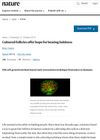
Growing hair follicles from cultured cells could potentially treat baldness, but more research is needed.
April 2016 in “Journal of the American Academy of Dermatology” A 4-year-old girl had a rare hair disorder affecting only part of her scalp.
1 citations
,
December 2023 Hair grows in cycles and changes with age, starting from fetal development.
 September 2019 in “Journal of Investigative Dermatology”
 Researchers successfully used nude mice to study human hair growth, which could help with future hair research.
8 citations
,
October 2024 in “Developmental Cell” July 2024 in “Journal of Investigative Dermatology” PP405 may help hair growth by activating hair follicle stem cells.
January 2025 in “Biochimica et Biophysica Acta (BBA) - Molecular Cell Research” Green tea compound EGCG may help hair growth by boosting cell activity.
Metabolic processes and key genes like FGF5, FGFR1, and RRAS significantly affect hair follicle growth in Inner Mongolian Cashmere goats.
 July 2024 in “Experimental Dermatology”
 AP collagen peptides help hair grow and improve hair health.
January 2026 in “Biochemical Pharmacology”  August 2016 in “Journal of Investigative Dermatology”
 Human hair follicles have a scent receptor that can influence hair growth.
July 2022 in “Journal of Investigative Dermatology” The combination of a plant extract and a peptide can increase hair pigmentation and may reverse greying.
23 citations
,
July 1993 in “The journal of investigative dermatology/Journal of investigative dermatology” Certain chemicals and peptides can promote hair growth or prevent baldness.
17 citations
,
June 1997 in “Baillière's clinical obstetrics and gynaecology” Scientists now better understand how human hair growth is controlled, including the roles of specific genes and proteins.
118 citations
,
January 1992 in “Experientia” February 2026 in “Biomedicine & Pharmacotherapy” MLPH helps hair grow by activating IGF-1 signaling in hair cells.
 May 2015 in “Journal of The American Academy of Dermatology”
 The research shows a potential way to regenerate hair using adult cells that have been grown and guided to produce new hair fibers.
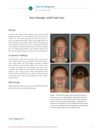 July 2019 in “Journal der Deutschen Dermatologischen Gesellschaft”
 A mother and daughter have a rare genetic hair loss disorder with no effective treatment.
May 2025 in “International Journal of Trichology” Partially bald areas in Indian AGA patients still have hair growth cells, suggesting early treatment is best.
1 citations
,
June 2022 in “Tidsskrift for Den norske legeforening” A young boy's uncombable hair is due to a rare genetic condition that usually improves over time.
Garlic can help hair grow by activating certain growth pathways, and it works whether you eat it or apply it to your scalp.
20 citations
,
January 2017 in “Experimental Dermatology” Igf1r helps regulate hair growth cycles.