19 citations
,
January 2019 in “JAAD case reports” A medication for skin rash also unexpectedly treated hair loss in a patient.
2 citations
,
February 2024 in “Indian Dermatology Online Journal” Tofacitinib effectively improved hair regrowth and skin condition in a woman with alopecia totalis and lichen planus hypertrophicus.
 6 citations
,
February 2023 in “Journal of the American Academy of Dermatology”
6 citations
,
February 2023 in “Journal of the American Academy of Dermatology” Upadacitinib improved hair regrowth and quality of life in alopecia areata patients with minimal side effects.
 August 2023 in “The journal of investigative dermatology/Journal of investigative dermatology”
 Ixekizumab may be an effective first treatment for a rare skin condition causing hair loss.
29 citations
,
March 2023 in “The Journal of Dermatology” Dupilumab for atopic dermatitis can cause mild skin issues in some patients.
5 citations
,
May 2023 in “Clinical Rheumatology” Tofacitinib helped regrow hair in a lupus patient with alopecia.
 January 2016 in “The Australian Pharmacist”
 Tofacitinib might be used to treat hair loss.
 39 citations
,
January 2019 in “Journal of the American Academy of Dermatology”
39 citations
,
January 2019 in “Journal of the American Academy of Dermatology” Tofacitinib may help treat severe childhood alopecia areata, but risks require careful consideration.
January 2024 in “Pharmacoepidemiology” Patients with rheumatoid arthritis using tofacitinib had more serious side effects than those with alopecia areata.
 February 2026 in “Frontiers in Immunology”
 Ivarmacitinib significantly improved hair regrowth in severe alopecia areata after tofacitinib was less effective.
3 citations
,
July 2025 in “International Immunopharmacology” November 2025 in “Journal of Cutaneous Medicine and Surgery” JAK inhibitors are effective and safe for treating severe alopecia areata.
July 2026 in “Dermatology Practical & Conceptual” IL-17 and IL-23 inhibitors can cause skin reactions that may require different treatments.
 1 citations
,
January 2023 in “Portuguese Journal of Dermatology and Venereology”
1 citations
,
January 2023 in “Portuguese Journal of Dermatology and Venereology” JAK inhibitors effectively treat skin conditions and topical forms are safer.
December 2025 in “The Journal of Dermatology” Ritlecitinib effectively reduces hair loss in JAK inhibitor-naïve alopecia areata patients.
 7 citations
,
April 2023 in “Frontiers in immunology”
7 citations
,
April 2023 in “Frontiers in immunology” Oral baricitinib and ruxolitinib are effective and safe for treating alopecia areata.
2 citations
,
May 2025 in “Journal of Clinical Medicine” Upadacitinib is safe and effective for treating alopecia areata and atopic dermatitis in children.
March 2025 in “European Journal of Medical Genetics” Tofacitinib helped improve symptoms and hair growth in a patient with Aicardi-Goutières syndrome.
 26 citations
,
October 2016 in “Case Reports in Dermatology”
26 citations
,
October 2016 in “Case Reports in Dermatology” A man with severe hair loss saw hair and nail improvement after 10 months on tofacitinib without side effects.
July 2024 in “Journal of Investigative Dermatology” OR101 may effectively treat atopic dermatitis and similar skin conditions.
May 2024 in “Frontiers in Medicine” Targeted immunological therapies offer safer and more effective treatments for skin conditions like eczema and psoriasis.
 August 2009 in “Australian Prescriber”
 Eculizumab helps reduce blood transfusions and stabilize hemoglobin but increases infection risk and is expensive.
July 2024 in “Journal of Investigative Dermatology” Brepocitinib improves cicatricial alopecia and reduces key immune markers.
 April 2023 in “Journal of Investigative Dermatology”
 PX-12 may help treat psoriasis by blocking inflammation and cell death.
 24 citations
,
October 2018 in “JAAD Case Reports”
24 citations
,
October 2018 in “JAAD Case Reports” A woman's eyelash regrowth was successful using tofacitinib solution for alopecia areata.
 September 2019 in “Journal of Investigative Dermatology”
 Abrocitinib at 100 mg and 200 mg daily may significantly improve moderate-to-severe atopic dermatitis in patients 12 years and older.
 9 citations
,
July 2018 in “European Journal of Dermatology”
9 citations
,
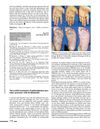
July 2018 in “European Journal of Dermatology” Brodalumab effectively treated a man's severe hand and foot psoriasis.
2 citations
,
March 2026 in “Journal of Dermatological Treatment” JAK inhibitors for alopecia areata have different safety risks, requiring specific monitoring for each drug.
 3 citations
,
May 2023 in “Clinical drug investigation”
3 citations
,
May 2023 in “Clinical drug investigation” JAK inhibitors for alopecia areata are linked to minor side effects like headache and acne, but not to an increased risk of serious adverse events.
 April 2026 in “Frontiers in Medicine”
 Enfortumab vedotin can cause skin issues, especially in older males, needing early monitoring.