70 citations
,
June 2023 in “International Journal of Molecular Sciences” Air pollution harms skin health and can worsen skin diseases.
 67 citations
,
January 2013 in “Indian Journal of Dermatology, Venereology and Leprology”
67 citations
,
January 2013 in “Indian Journal of Dermatology, Venereology and Leprology” Chronic Telogen Effluvium may resolve after years and is diagnosed by examining the patient's history and clinical signs, with treatment aimed at underlying causes and possibly minoxidil.
 59 citations
,
January 2013 in “Annals of Dermatology”
59 citations
,
January 2013 in “Annals of Dermatology” Asian hair is more resistant to UV damage due to higher lipid content.
39 citations
,
March 2017 in “Dermatologic clinics” UV light can help stimulate the growth of new pigment cells from hair follicles in people with vitiligo.
 33 citations
,
November 2012 in “Journal of The American Academy of Dermatology”
33 citations
,
November 2012 in “Journal of The American Academy of Dermatology” FPHL common in Taiwanese women; risk factors include BMI, high glucose, early puberty, fewer childbirths, oral contraceptives, and UV exposure.
 32 citations
,
September 1989 in “Medical Clinics of North America”
32 citations
,
September 1989 in “Medical Clinics of North America” Skin problems are common in lupus, important for diagnosis, and can be triggered by sunlight.
29 citations
,
July 2013 in “Journal of Investigative Dermatology” UV radiation causes skin cancer, but sunscreens and certain drugs can help prevent it.
24 citations
,
January 2009 in “International Journal of Trichology” Sunlight exposure ages hair, making it brittle, stiff, and dry.
 23 citations
,
August 2019 in “Proceedings of the National Academy of Sciences of the United States of America”
23 citations
,
August 2019 in “Proceedings of the National Academy of Sciences of the United States of America” Pollution exposure speeds up hair damage.
 22 citations
,
July 2004 in “International Journal of Cosmetic Science”
22 citations
,
July 2004 in “International Journal of Cosmetic Science” UV radiation and visible light can damage hair, but there are ways to protect it.
18 citations
,
October 2022 in “Biomedicines” Regenerative treatments for vitiligo show promise but need more research for long-term safety and effectiveness.
18 citations
,
March 2009 in “Skin pharmacology and physiology” Sunlight damages hair, causing cuticle loss, protein changes, and discoloration.
17 citations
,
October 2009 in “Dermatology” Ultraviolet light helped hair growth more effectively than triamcinolone acetonide.
 17 citations
,
April 2004 in “Acta Clinica Belgica”
17 citations
,
April 2004 in “Acta Clinica Belgica” UV light makes skin signs of lack of carotene and vitamin A more visible.
 15 citations
,
December 2016 in “Obstetrics & Gynecology”
15 citations
,
December 2016 in “Obstetrics & Gynecology” Most skin changes during pregnancy are harmless and moles don't significantly change, but many women experience pigmentation changes due to hormones and sun exposure.
14 citations
,
July 2022 in “Nutrients” Vitamin A is important for healthy skin and hair, influencing hair growth and skin healing, but UV light reduces its levels.
14 citations
,
September 2017 in “Clinical and Experimental Dermatology” Systemic photodynamic therapy can effectively treat stubborn folliculitis decalvans with few side effects.
14 citations
,
September 2016 in “Journal of Photochemistry and Photobiology B Biology” UV exposure damages hair, increasing thiols and altering protein structure.
 13 citations
,
October 2015 in “Journal of the European Academy of Dermatology and Venereology”
13 citations
,
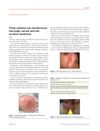
October 2015 in “Journal of the European Academy of Dermatology and Venereology” The document concludes that early recognition and appropriate treatment of red scalp, red ear, and red scrotum syndromes can lead to remission.
12 citations
,
June 2020 in “Crystals” A new method successfully created tiny zinc oxide particles in silica for potential use in drug delivery and other applications.
12 citations
,
October 2013 in “British Journal of Dermatology” The meeting concluded with optimism about increasing research and better management of vitiligo.
 11 citations
,
April 2013 in “SpringerPlus”
11 citations
,
April 2013 in “SpringerPlus” Human skin's melanocytes respond to light by changing shape, producing pigments and hormones, which may affect sleep patterns.
10 citations
,
April 2009 in “Oncology Reports” Bald-headed individuals may need early non-invasive detection for skin changes linked to cancer risk.
 9 citations
,
May 2013 in “JAMA Dermatology”
9 citations
,
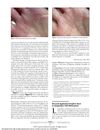
May 2013 in “JAMA Dermatology” Sunlight exposure improved a patient's skin condition, and there may be a link between a certain disease and skin growths; a leukemia treatment caused changes in hair color and growth.
7 citations
,
October 2011 in “BMC Cancer” Overexpression of HDGF in melanocytes does not cause cancer.
7 citations
,
January 2001 in “Comprehensive series in photosciences” UV radiation significantly damages hair, especially with humidity, making it more vulnerable to further damage.
6 citations
,
May 2025 in “Cosmetics” Sunscreen technology is improving with new ingredients and methods to better protect skin from sun damage.
 6 citations
,
February 1974 in “The BMJ”
6 citations
,
February 1974 in “The BMJ” The document concludes that scalp disorders can be treated with hair washing, specific shampoos, medications, and sometimes surgery or hair transplants, but hereditary baldness is untreatable.
5 citations
,
November 2003 in “PubMed” Chemical treatments and light exposure damage hair proteins.
 4 citations
,
November 2021 in “Frontiers in Cell and Developmental Biology”
4 citations
,
November 2021 in “Frontiers in Cell and Developmental Biology” Aging causes hair loss and graying due to stem cell decline and changes in cell behavior and communication.