 126 citations
,
January 2009 in “International Journal of Trichology”
126 citations
,
January 2009 in “International Journal of Trichology” Oxidative stress contributes to hair graying and loss as we age.
79 citations
,
December 2017 in “Cosmetics” Effective sunscreen formulations can reduce skin absorption and enhance protection.
43 citations
,
October 2006 in “Journal of Cell Science” Keratin 10 end domains may increase skin cancer risk by reducing cell death.
30 citations
,
January 2005 in “Elsevier eBooks” Vitamin D affects skin and hair by influencing cell behavior and melanin production.
 20 citations
,
January 2000 in “Dermatologic Clinics”
20 citations
,
January 2000 in “Dermatologic Clinics” New psoriasis treatments are effective but come with side effects and risks.
 19 citations
,
January 2015 in “Current problems in dermatology”
19 citations
,
January 2015 in “Current problems in dermatology” Ultraviolet rays damage hair, smoking may cause hair loss, and good nutrition is important for hair health, but genetics mainly decide hair thickness.
18 citations
,
April 2010 in “Archives of Dermatology” Psoriasis or contact dermatitis can override alopecia areata, allowing hair growth.
10 citations
,
July 1980 in “British Journal of Dermatology” Topical putrescine and spermine increased DNA synthesis in hairless mouse skin.
10 citations
,
March 2016 in “Toxicology and applied pharmacology” Using A132 hair dye with sunlight can cause skin damage and hair loss.
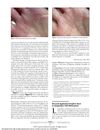 9 citations
,
May 2013 in “JAMA Dermatology”
9 citations
,
May 2013 in “JAMA Dermatology” Sunlight exposure improved a patient's skin condition, and there may be a link between a certain disease and skin growths; a leukemia treatment caused changes in hair color and growth.
8 citations
,
February 2025 in “Cell Systems” Engineered bacteria can deliver antioxidants to protect skin.
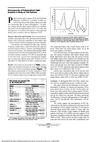 6 citations
,
August 1993 in “Archives of Dermatology”
6 citations
,
August 1993 in “Archives of Dermatology” The study found that polymorphous light eruption varies among patients and can be distinguished from benign summer light eruption by the time it takes for symptoms to appear after sun exposure.
6 citations
,
March 2022 in “International journal of molecular sciences” Natural skincare products may help reduce sun damage and support the skin's daily cycle.
 2 citations
,
January 2019 in “Springer eBooks”
2 citations
,
January 2019 in “Springer eBooks” Segmental Vitiligo is a stable, early-onset form of vitiligo that responds well to early treatment and is ideal for repigmentation studies.
 December 2019 in “bioRxiv (Cold Spring Harbor Laboratory)”
 Redheaded people have higher levels of a vitamin D precursor, suggesting red hair may be an adaptation for better vitamin D synthesis in areas with less sunlight.
 May 2026 in “Archives of Dermatological Research”
 Vitamin E and gamma-oryzanol protect hair from UV damage.
November 2025 in “Pharmacological Research - Natural Products” Kesh Kanti Expert Oil promotes hair growth and protects hair health.
 January 2025 in “Scripta Medica”
 PDO, PLLA, and PCL threads increase collagen in ageing skin but don't change MMP1 gene expression.
January 2019 in “Figshare” Redheaded people have higher levels of vitamin D precursor, suggesting their hair color may be an adaptation to low sunlight areas.
 70 citations
,
April 2017 in “Lasers in surgery and medicine”
70 citations
,
April 2017 in “Lasers in surgery and medicine” Blue light promotes hair growth by interacting with specific receptors in hair follicles.
 27 citations
,
June 2015 in “Journal of photochemistry and photobiology. B, Biology”
27 citations
,
June 2015 in “Journal of photochemistry and photobiology. B, Biology” The new lab-grown skin model is good for testing sunscreen's protection against DNA damage from UV light.
14 citations
,
September 2016 in “Journal of Photochemistry and Photobiology B Biology” UV exposure damages hair, increasing thiols and altering protein structure.
 4 citations
,
January 2004 in “Biological and Pharmaceutical Bulletin”
4 citations
,
January 2004 in “Biological and Pharmaceutical Bulletin” AgK114 protein helps in hamster skin injury recovery.
 April 2026 in “Biomolecules”
 Squid ink melanin nanoparticles create a safe, long-lasting black hair dye that protects hair and offers UV protection.
February 2024 in “International journal of molecular sciences” UV exposure reduced hair shine in mice, but minoxidil helped restore it.
 November 2020 in “Journal of The American Academy of Dermatology”
 Taking vitamin C and vitamin E twice a day can help prevent sunburn and DNA damage from UVB exposure.
 185 citations
,
February 2018 in “Journal of Investigative Dermatology”
185 citations
,
February 2018 in “Journal of Investigative Dermatology” Melatonin may benefit skin health and could be a promising treatment in dermatology.
15 citations
,
June 2019 in “JEADV. Journal of the European Academy of Dermatology and Venereology/Journal of the European Academy of Dermatology and Venereology” Chemical and physical treatments like bleaching, dyeing, and UV radiation damage both Caucasian and Afro-ethnic hair.
 September 2025 in “International Journal of Cosmetic Science”
 Heat and UV exposure damage hair structure by altering keratins.
 November 2011 in “Informa Healthcare eBooks”
 Environmental, chemical, mechanical, and personal health factors can all damage hair and contribute to hair loss or changes in hair quality.