 March 2026 in “Frontiers in Pharmacology”
 Taxifolin, found in onions and milk thistle, has health benefits but needs more research for safe use.
 March 2022 in “Nepal Journal of Dermatology Venereology & Leprology”
 Methotrexate with steroids is slightly more effective than azathioprine with steroids for treating severe alopecia areata.
 January 2015 in “Przegla̧d dermatologiczny”
 308 nm excimer light therapy may help hair regrowth in alopecia areata with delayed results and no serious side effects.
 January 2026 in “Nanoscale Advances”
 Microneedles combined with light therapy can improve skin disease diagnosis and treatment.
 15 citations
,
January 2018 in “Acta dermato-venereologica”
15 citations
,
January 2018 in “Acta dermato-venereologica” Skin treatment can lower life quality for patients with skin conditions.
 15 citations
,
February 2017 in “Nursing Clinics of North America”
15 citations
,
February 2017 in “Nursing Clinics of North America” Targeted cancer therapies can cause skin side effects, which should be treated early to help patients' quality of life and treatment adherence.
 June 2026 in “Discover Immunity.”
 Mesenchymal stem cells help improve skin healing and rejuvenation.
 June 2019 in “Journal of evolution of medical and dental sciences”
 Dermoscopy is useful for tracking alopecia areata treatment, with yellow dots and new vellus hairs being good indicators of hair regrowth.
 January 2020 in “Elsevier eBooks”
 Plant-based chemicals may help hair growth and prevent hair loss but need more research to compete with current treatments.
 24 citations
,
July 2022 in “Journal of Applied Pharmaceutical Science”
24 citations
,
July 2022 in “Journal of Applied Pharmaceutical Science” Optimizing production conditions can improve hyaluronic acid's effectiveness and cost in cosmetics and therapy.
 3 citations
,
October 2023 in “Frontiers in physiology”
3 citations
,
October 2023 in “Frontiers in physiology” ceRNA networks offer potential treatments for skin aging and wound healing.
 March 2026 in “Plastic and Aesthetic Research”
 Adipose-derived stem cell exosomes can help reduce skin aging from UV exposure.
 January 2018 in “Springer eBooks”
 Cancer treatments targeting specific cells often cause skin, hair, and nail problems, affecting patients' lives and requiring careful management.
 15 citations
,
November 1997 in “Australasian Journal of Dermatology”
15 citations
,
November 1997 in “Australasian Journal of Dermatology” A combination of oral cyclosporin and PUVA treatment worked well for a severe skin condition called generalized pustular psoriasis.
 1 citations
,
January 2023 in “Przegląd Dermatologiczny”
1 citations
,
January 2023 in “Przegląd Dermatologiczny” The Polish Society of Dermatology recommends treatments for alopecia areata that vary by severity, including topical and systemic medications, with long-term maintenance important for management.
 March 2025 in “International Journal of Pharmaceutical Research and Applications”
 A multidisciplinary approach is key to delaying aging and preventing age-related diseases.
 January 2018 in “Przegla̧d dermatologiczny”
 The Polish Dermatological Society recommends personalized treatment for cutaneous lupus, including lifestyle changes, medications, and monitoring, with specific drugs for severe cases.
 September 2025 in “International Journal of Biology Pharmacy and Allied Sciences”
 Rosemary is effective for hair and skin health due to its anti-inflammatory and antioxidant properties.
 47 citations
,
December 2020 in “Journal of the European Academy of Dermatology and Venereology”
47 citations
,
December 2020 in “Journal of the European Academy of Dermatology and Venereology” The document concludes that understanding and treating hair loss requires recognizing its various types and using appropriate diagnostic tools and treatments.
19 citations
,
September 2006 in “Journal of Pediatric Gastroenterology and Nutrition” Early use of infliximab in severe pediatric Crohn's disease can lead to significant improvement and remission.
 July 1999 in “Journal of The European Academy of Dermatology and Venereology”
 Bath PUVA therapy works well for a skin condition without as many cancer risks and is cheaper, and iron deficiency might not cause female hair loss.
 71 citations
,
September 2006 in “Cell Transplantation”
71 citations
,
September 2006 in “Cell Transplantation” Fetal skin cells from a cell bank heal wounds faster and with less scarring than adult cells.
 19 citations
,
May 1992 in “International Journal of Dermatology”
19 citations
,
May 1992 in “International Journal of Dermatology” Some alternative vitiligo treatments show promise, but none are as effective as psoralens and UVA.
 4 citations
,
June 2002 in “Clinical and experimental dermatology”
4 citations
,
June 2002 in “Clinical and experimental dermatology” Effective treatment for hidradenitis suppurativa varies, with antibiotics commonly used and surgery as an option, but no single method is universally successful.
 May 2015 in “Journal of Investigative Dermatology”
 Wnt-3a helps grow more skin stem cells, which could lead to new hair loss treatments.
 9 citations
,
May 2013 in “JAMA Dermatology”
9 citations
,
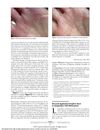
May 2013 in “JAMA Dermatology” Sunlight exposure improved a patient's skin condition, and there may be a link between a certain disease and skin growths; a leukemia treatment caused changes in hair color and growth.
31 citations
,
January 1981 PUVA-therapy is not very effective for severe hair loss types like alopecia totalis or universalis.
 14 citations
,
January 2005 in “Pediatric Dermatology”
14 citations
,
January 2005 in “Pediatric Dermatology” UVA1-light therapy successfully treated a child's skin condition, mycosis fungoides.
10 citations
,
April 2020 in “Journal of Mind and Medical Sciences” Excimer laser therapy can be an alternative for treating superficial morphea when topical steroids don't work.
 9 citations
,
July 2021 in “Dermatology and Therapy”
9 citations
,
July 2021 in “Dermatology and Therapy” New treatments for epidermolysis bullosa show promise in improving patients' lives, but a cure is still not available.