 July 2024 in “Clinical Cosmetic and Investigational Dermatology”
 Non-drug therapies show promise for hair regrowth but need more research.
January 2018 in “Dermatology Online Journal” Alopecia areata is hard to treat, but new targeted therapies show promise.
 13 citations
,
April 2019 in “Actas Dermo-Sifiliográficas”
13 citations
,
April 2019 in “Actas Dermo-Sifiliográficas” Vitamin D is important for skin health, but more research is needed to understand its full effects and treatment potential.
 16 citations
,
November 2016 in “Journal of Cosmetic and Laser Therapy”
16 citations
,
November 2016 in “Journal of Cosmetic and Laser Therapy” Laser and light therapies, especially the 308 nm excimer laser, are effective and safe for treating alopecia areata, but more research is needed.
 20 citations
,
January 2000 in “Dermatologic Clinics”
20 citations
,
January 2000 in “Dermatologic Clinics” New psoriasis treatments are effective but come with side effects and risks.
18 citations
,
May 2014 in “International journal of pharmaceutics” Aging and sun damage do not increase the skin's absorption of certain sunscreens and drugs.
9 citations
,
June 2009 in “Cell Proliferation” Cream 1 protects skin nerve endings from UV damage.
2 citations
,
January 2024 in “Journal of the American Academy of Dermatology” Treating primary cicatricial alopecia is difficult and requires evidence-based methods.
8 citations
,
July 2001 in “JEADV. Journal of the European Academy of Dermatology and Venereology/Journal of the European Academy of Dermatology and Venereology” New treatments for vitiligo show promise but still face challenges, especially for hands and feet.
1 citations
,
February 2003 UV radiation causes significant protein loss and color changes in hair, especially blond hair.
10 citations
,
March 2016 in “Toxicology and applied pharmacology” Using A132 hair dye with sunlight can cause skin damage and hair loss.
7 citations
,
November 2016 in “Oncotarget” UV exposure reduces Lgr6+ stem cells in mouse skin and they don't significantly contribute to skin cancer development.
 6 citations
,
August 1993 in “Archives of Dermatology”
6 citations
,
August 1993 in “Archives of Dermatology” The study found that polymorphous light eruption varies among patients and can be distinguished from benign summer light eruption by the time it takes for symptoms to appear after sun exposure.
 September 2016 in “Springer eBooks”
 Looking older on the outside might be linked to aging faster on the inside and can be affected by lifestyle choices and health risks.
65 citations
,
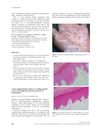
November 2008 in “Pediatric Dermatology” Phototherapy is effective and well-tolerated for treating childhood psoriasis and pityriasis lichenoides chronica.
 24 citations
,
September 2008 in “Clinical and experimental dermatology”
24 citations
,
September 2008 in “Clinical and experimental dermatology” Repigmentation in vitiligo may come from melanocyte stem cells in the skin.
7 citations
,
January 2002 in “PubMed” Prolonged UVB exposure causes significant skin changes and damage in rats.
 April 2024 in “DergiPark (Istanbul University)”
 Phototherapy is often used for psoriasis in children, but it has low success rates.
 9 citations
,
May 2019 in “Vestnik dermatologii i venerologii”
9 citations
,
May 2019 in “Vestnik dermatologii i venerologii” The method could improve vitiligo treatment by effectively delivering therapy to hair follicles.
 8 citations
,
May 1987 in “Journal of The American Academy of Dermatology”
8 citations
,
May 1987 in “Journal of The American Academy of Dermatology” UV light does not significantly affect minoxidil's ability to treat male pattern baldness.
 December 2004 in “Medicine”
 Pregnancy can cause skin changes and may affect pre-existing skin conditions, with some treatments not safe for use during pregnancy.
 5 citations
,
March 2012 in “Microscopy Research and Technique”
5 citations
,
March 2012 in “Microscopy Research and Technique” UVB radiation changes the chemical makeup and dries out human hair but doesn't alter its appearance or texture.
 July 1988 in “Journal of The American Academy of Dermatology”
 Various dermatologic treatments were effective for skin conditions like acne, rosacea, hair loss, and psoriasis from December 1986 to December 1987.
 1 citations
,
January 2005 in “Side effects of drugs annual”
1 citations
,
January 2005 in “Side effects of drugs annual” The document concluded that various dermatological treatments have different effectiveness and side effects, with some causing irritation, allergic reactions, or systemic effects.
January 2019 in “Springer eBooks” Combination therapies might work better for some vitiligo patients, but results vary.
37 citations
,
November 2011 in “Photodermatology Photoimmunology & Photomedicine” Narrowband UVB phototherapy alone is not very effective for treating alopecia areata.
February 2024 in “International journal of molecular sciences” UV exposure reduced hair shine in mice, but minoxidil helped restore it.
Different types of skin cells and immune cells play a role in healing UV-damaged skin, with chronic UV exposure causing lasting damage to certain skin cells.
Different types of sun exposure can damage skin cells and affect healing, with chronic exposure being more harmful, and certain immune cells help in the repair process.
136 citations
,
April 2010 in “British Journal of Dermatology” Acitretin is effective for severe skin conditions but has significant side effects and requires careful monitoring.