 14 citations
,
January 2005 in “Pediatric Dermatology”
14 citations
,
January 2005 in “Pediatric Dermatology” UVA1-light therapy successfully treated a child's skin condition, mycosis fungoides.
 195 citations
,
January 2008 in “Photochemistry and Photobiology”
195 citations
,
January 2008 in “Photochemistry and Photobiology” Visible light can damage skin and most sunscreens don't block it well; more research is needed on its effects and protection methods.
 16 citations
,
November 2016 in “Journal of Cosmetic and Laser Therapy”
16 citations
,
November 2016 in “Journal of Cosmetic and Laser Therapy” Laser and light therapies, especially the 308 nm excimer laser, are effective and safe for treating alopecia areata, but more research is needed.
4 citations
,
August 2015 in “Journal of Cosmetic Dermatology” Sunscreens with UVA blockers effectively reduce skin fluorescence for several hours.
 21 citations
,
January 2005 in “Pediatric Dermatology”
21 citations
,
January 2005 in “Pediatric Dermatology” An 8-year-old girl with vitiligo developed extra hair growth on her knee after using tacrolimus ointment.
 April 2024 in “Lasers in medical science”
 Lasers and light therapies are effective in promoting hair regrowth for different types of hair loss.
 9 citations
,
August 2017 in “Photochemistry and Photobiology”
9 citations
,
August 2017 in “Photochemistry and Photobiology” Red light at 627 nm can safely trigger IL-4 release in skin cells, potentially helping treat inflammatory skin conditions.
 28 citations
,
December 2017 in “Lasers in Medical Science”
28 citations
,
December 2017 in “Lasers in Medical Science” Monochromatic light devices, especially the 308-nm excimer laser, are promising for treating alopecia areata but more research is needed.
 17 citations
,
December 2015 in “International Journal of Cosmetic Science”
17 citations
,
December 2015 in “International Journal of Cosmetic Science” Visible light can improve skin disorders and hair loss, but more research is needed to understand long-term effects.
 January 2026 in “Forum Dermatologicum”
 LED therapy is safe and can help with acne, aging skin, and hair loss, but consumer devices may be less effective.
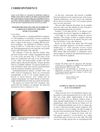 25 citations
,
January 2005 in “Pediatric Dermatology”
25 citations
,
January 2005 in “Pediatric Dermatology” Methotrexate effectively treated a 2-year-old's generalized pustular psoriasis without side effects.
 24 citations
,
July 2019 in “Cochrane library”
24 citations
,
July 2019 in “Cochrane library” Some treatments like methotrexate with prednisone might help juvenile morphea, but more research is needed to confirm.
 26 citations
,
March 2014 in “Journal of cutaneous medicine and surgery”
26 citations
,
March 2014 in “Journal of cutaneous medicine and surgery” Topical vitamin D is useful for some skin conditions but not effective for others, and more research is needed.
 23 citations
,
August 2019 in “Proceedings of the National Academy of Sciences of the United States of America”
23 citations
,
August 2019 in “Proceedings of the National Academy of Sciences of the United States of America” Pollution exposure speeds up hair damage.
10 citations
,
September 2022 in “Journal of Biophotonics” Blue light therapy is safe for skin and may protect against UV radiation.
 September 2025 in “Editora Pasteur eBooks”
 Continuous learning and personalized treatments are crucial in dermatology due to rapid technological advancements.
Personalized care and evidence-based treatments are crucial for managing skin and hair conditions.
 January 2017 in “Springer eBooks”
 The document concludes that Cutaneous Lupus Erythematosus has different forms, is influenced by genetic and environmental factors, and can be treated with various medications, but more targeted therapies are needed.
 66 citations
,
June 2018 in “British Journal of Dermatology”
66 citations
,
June 2018 in “British Journal of Dermatology” European guidelines recommend regular eye and ear exams, skin care, vitamin D supplements, and cautious use of medications for managing congenital ichthyoses.
 15 citations
,
January 2014 in “Anais Brasileiros de Dermatologia”
15 citations
,
January 2014 in “Anais Brasileiros de Dermatologia” Lupus treatment requires a combination of drugs and therapies, with research needed for new options.
April 2024 in “International journal of molecular sciences” Light-based treatment, Photobiomodulation, shows promise for non-invasive skin therapy with few side effects.
Use the least toxic, most specific treatments for skin diseases, considering side effects and individual patient needs.
9 citations
,
May 2016 in “Clinics in dermatology” Phototherapy can help treat hair loss in alopecia areata.
December 2022 in “IntechOpen eBooks” 308 excimer phototherapy is a safe and effective way to treat hair loss from Alopecia Areata.
10 citations
,
April 2020 in “Journal of Mind and Medical Sciences” Excimer laser therapy can be an alternative for treating superficial morphea when topical steroids don't work.
144 citations
,
December 2017 in “Pigment cell & melanoma research” Melasma is now considered a skin aging disorder caused by sun exposure in people with a genetic tendency, which impacts treatment and prevention approaches.
6 citations
,
May 2025 in “Cosmetics” Sunscreen technology is improving with new ingredients and methods to better protect skin from sun damage.
70 citations
,
June 2023 in “International Journal of Molecular Sciences” Air pollution harms skin health and can worsen skin diseases.
 November 2024 in “Health Science Reports”
 Light/laser therapy can effectively increase hair density in some types of alopecia, especially androgenic alopecia and alopecia areata.
 July 2024 in “Clinical Cosmetic and Investigational Dermatology”
 Non-drug therapies show promise for hair regrowth but need more research.