 1 citations
,
February 2021 in “Cutis”
1 citations
,
February 2021 in “Cutis” COVID-19 can cause various skin symptoms, including rashes and lesions, which often appear early and can help in timely diagnosis.
 24 citations
,
February 2021 in “Dermatology and Therapy”
24 citations
,
February 2021 in “Dermatology and Therapy” COVID-19 increased alopecia areata relapses due to inflammation and stress.
16 citations
,
April 2023 in “Physical Medicine and Rehabilitation Clinics of North America” 15 citations
,
March 2000 in “The journal of investigative dermatology/Journal of investigative dermatology” As skin cells mature, vitamin D receptor levels decrease while retinoid X receptor α levels increase.
 37 citations
,
June 2017 in “Journal of Investigative Dermatology”
37 citations
,
June 2017 in “Journal of Investigative Dermatology” Blocking a protein called CXXC5 with a specific peptide can stimulate hair regrowth and new hair growth in wounds.
 8 citations
,
January 2007 in “International journal of experimental pathology”
8 citations
,
January 2007 in “International journal of experimental pathology” Hairless HRS/J mice resist Bacillus anthracis skin infections due to high numbers of immune cells, not because they lack hair follicles.
 February 2010 in “Journal of the American Academy of Dermatology”
 Lactic acid cream can help improve skin bumps known as eruptive vellus hair cysts.
October 1991 in “Archives of Dermatology” The woman has a skin condition involving nodules, scars, and hair loss.
37 citations
,
April 2018 in “Journal of Allergy and Clinical Immunology” A mutation in the IKZF1 gene causes immune system overactivity, linked to autoimmune diseases like lupus.
 82 citations
,
March 2016 in “Autoimmunity reviews”
82 citations
,
March 2016 in “Autoimmunity reviews” Animal models have helped understand hair loss from alopecia areata and find new treatments.
 27 citations
,
August 2010 in “Clinics in Dermatology”
27 citations
,
August 2010 in “Clinics in Dermatology” Hepatitis C virus can cause skin diseases and dermatologists play a crucial role in identifying these conditions.
1 citations
,
October 2024 in “Journal of the Endocrine Society” Bevacizumab may worsen hypothyroidism, so thyroid function should be monitored during treatment.
56 citations
,
October 2010 in “Pediatric Clinics of North America” Epidermal nevi are skin cell clusters linked to various syndromes.
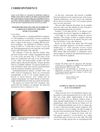 21 citations
,
January 2005 in “Pediatric Dermatology”
21 citations
,
January 2005 in “Pediatric Dermatology” An 8-year-old girl with vitiligo developed extra hair growth on her knee after using tacrolimus ointment.
 5 citations
,
October 2020 in “Journal of radiation research”
5 citations
,
October 2020 in “Journal of radiation research” Vesicles from irradiated mouse cheek skin help cells survive radiation.
COVID-19 might cause gray hair to regain color.
 2 citations
,
May 2023 in “Clinical case reports”
2 citations
,
May 2023 in “Clinical case reports” PRP therapy can effectively treat hair loss after COVID-19 vaccination.
 45 citations
,
December 2014 in “Journal of the European Academy of Dermatology and Venereology”
45 citations
,
December 2014 in “Journal of the European Academy of Dermatology and Venereology” Plasmacytoid dendritic cells are a key factor in causing hair loss in alopecia areata and could help differentiate it from other hair loss conditions.
4 citations
,
November 2025 in “Nature Reviews Disease Primers” The balance between cell renewal and differentiation controls the growth of cancerous cells in mouse skin.
 199 citations
,
April 2010 in “Nature”
199 citations
,
April 2010 in “Nature” A gene called APCDD1, which controls hair growth, is found to be faulty in a type of hair loss called hereditary hypotrichosis simplex.
29 citations
,
January 2021 in “Journal of nanobiotechnology” Tiny particles from brain cells help hair grow by targeting a specific hair growth pathway.
 20 citations
,
May 2016 in “Journal of Cosmetic Dermatology”
20 citations
,
May 2016 in “Journal of Cosmetic Dermatology” Low vitamin D receptor levels found in hair loss patients; topical vitamin D treatment suggested.
29 citations
,
December 1953 in “Journal of Investigative Dermatology”  January 2025 in “Egyptian Journal of Dermatology and Venerology”
 COVID-19 vaccination may lower vitamin D levels and cause hair loss.
3 citations
,
March 2022 in “Journal of Infection” Infectious virus was not found after the third remdesivir dose, suggesting early end of isolation is possible.
 March 2024 in “EMBO molecular medicine”
 Antiviral drugs, especially daclatasvir, may be a new treatment for a rare skin disease, improving survival and reducing symptoms in mice.
May 2023 in “The Journal of Immunology” Alopecia areata involves unique activation of certain immune cells.
 67 citations
,
November 2019 in “Nature Communications”
67 citations
,
November 2019 in “Nature Communications” Oncogenic melanocyte stem cells can develop into melanoma similar to human cases.
 July 2021 in “British Journal of Dermatology”
 Laser treatment for skin conditions VEN and ILVEN is effective and liked by patients.