79 citations
,
January 2000 in “Annals of Clinical Psychiatry” Some psychiatric medications can cause hair loss, but stopping or reducing the dose usually reverses it.
 65 citations
,
July 2013 in “International Clinical Psychopharmacology”
65 citations
,
July 2013 in “International Clinical Psychopharmacology” Mood stabilizers like lithium and anticonvulsants have side effects that can lead to patients stopping their medication, and managing these effects is important for treatment adherence.
 63 citations
,
March 1995 in “International Journal of Dermatology”
63 citations
,
March 1995 in “International Journal of Dermatology” Some drugs can cause hair loss, and stopping these drugs often leads to hair regrowth.
 61 citations
,
June 2022 in “Journal of Controlled Release”
61 citations
,
June 2022 in “Journal of Controlled Release” Dissolving microneedles show promise for delivering medication through the skin but face challenges like manufacturing complexity and regulatory hurdles.
46 citations
,
December 2014 in “Epilepsy & behavior” Some antiepileptic drugs can cause weight gain and hair loss, especially in women.
41 citations
,
September 2003 in “Journal of Investigative Dermatology” Overexpression of COX-2 causes early hair loss in mice, but can be prevented with a COX-2 inhibitor.
 40 citations
,
August 2010 in “Archives of dermatology”
40 citations
,
August 2010 in “Archives of dermatology” A 5-year-old boy's skin condition improved with systemic valganciclovir after a cardiac transplant and immunosuppressive therapy.
 38 citations
,
November 2005 in “Epilepsia”
38 citations
,
November 2005 in “Epilepsia” Levetiracetam is widely used and generally well-tolerated for treating idiopathic generalized epilepsies, with tiredness as the main side effect.
 38 citations
,
September 1996 in “Annals of Clinical Psychiatry”
38 citations
,
September 1996 in “Annals of Clinical Psychiatry” Hair loss from mood stabilizers is common but can be managed without stopping the medication.
 37 citations
,
June 2017 in “Journal of Investigative Dermatology”
37 citations
,
June 2017 in “Journal of Investigative Dermatology” Blocking a protein called CXXC5 with a specific peptide can stimulate hair regrowth and new hair growth in wounds.
35 citations
,
April 2009 in “Journal of Neuroscience Research” HDAC inhibitors help brain cells grow and improve brain function.
 34 citations
,
January 2008 in “International Review of Neurobiology”
34 citations
,
January 2008 in “International Review of Neurobiology” Epilepsy and certain epilepsy drugs can lead to reproductive problems in women, but changing medication might improve these issues.
32 citations
,
November 2020 in “UNC Libraries” A point mutation in the androgen receptor gene causes complete androgen insensitivity.
31 citations
,
October 1992 in “Journal of Clinical Pharmacy and Therapeutics” Some medications can change hair color, especially chloroquine and cancer treatments.
 30 citations
,
May 1991 in “Psychosomatics”
30 citations
,
May 1991 in “Psychosomatics” Some psychiatric medications can cause reversible hair loss.
28 citations
,
February 2010 in “Experimental Dermatology” The frizzy mouse and hairless rat mutations are due to changes in the Prss8 gene.
 27 citations
,
January 2016 in “Quality of Life Research”
27 citations
,
January 2016 in “Quality of Life Research” The PCOSQ-50 is a valid and reliable questionnaire for measuring quality of life in Iranian women with PCOS.
 25 citations
,
January 2017 in “International Journal of Trichology”
25 citations
,
January 2017 in “International Journal of Trichology” Most Indian people with hair loss in the study lacked nutrients, especially iron.
22 citations
,
March 2017 in “Transplant Infectious Disease” Leflunomide successfully treated a rare skin condition in a liver transplant patient.
21 citations
,
May 2016 in “Progress in Neuro-Psychopharmacology and Biological Psychiatry” Diazepam's effects on anxiety and memory differ between male and female rats due to hormonal influences.
20 citations
,
September 1995 in “PubMed” Many drugs can cause temporary hair loss, which usually stops when the drug is discontinued.
19 citations
,
April 2017 in “Synapse” Blocking allopregnanolone production in mice makes them more anxious after stress, but this can be reversed with a drug that mimics allopregnanolone.
 18 citations
,
January 1999 in “CNS Drugs”
18 citations
,
January 1999 in “CNS Drugs” Some anticonvulsant drugs can cause skin reactions, ranging from mild to severe, and managing these reactions is important for patient care.
13 citations
,
April 2021 in “Value in Health” There is a significant need for better-validated quality of life tools in dermatology.
 12 citations
,
November 2014 in “Journal of Cutaneous Medicine and Surgery”
12 citations
,
November 2014 in “Journal of Cutaneous Medicine and Surgery” Antiviral medication valganciclovir may improve skin and hair in Trichodysplasia Spinulosa patients.
11 citations
,
November 2019 in “The FASEB Journal” A mutation in the MAP2 gene causes reduced hair follicle density, leading to hairlessness.
 10 citations
,
October 2016 in “Epilepsy & behavior”
10 citations
,
October 2016 in “Epilepsy & behavior” Levetiracetam often causes behavioral issues, while oxcarbazepine is more likely to cause sleepiness in epilepsy patients.
 10 citations
,
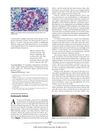
February 2006 in “Archives of dermatology”
10 citations
,
February 2006 in “Archives of dermatology” A man's chest hair turned white after a shingles infection, possibly due to virus-damaged pigment cells.
9 citations
,
October 2012 in “Klinik Psikofarmakoloji Bülteni-Bulletin of Clinical Psychopharmacology” Stopping the drug olanzapine can reverse hair loss caused by it.
 8 citations
,
September 2017 in “Journal of Investigative Dermatology”
8 citations
,
September 2017 in “Journal of Investigative Dermatology” CXXC5 is a protein that prevents hair growth and could be a target for hair loss treatment.