Search
for
Sort by
Research
870-900 / 1000+ resultsresearch Dual‐Mode Vasodilator M119 Delivery to Hair Follicle via Dissolving Microneedle for Advanced Alopecia Treatment
A new microneedle system effectively delivers a vasodilator to hair follicles, promoting hair growth better than current treatments.

research Industry update: the latest developments in the field of therapeutic delivery, July 2018
New partnerships, clinical trials, and drug approvals marked progress in therapeutic delivery in July 2018.
research Single-Administration Long-Acting Microarray Patch with Ultrahigh Loading Capacity and Multiple Releases of Thermally Stable Antibodies
A new patch can deliver stable antibodies over time for potential HIV treatment.
![The Synthesis of (−)-4-Methyl-8-Chloro-Trans-1,2,3,4,4a,5,6,10b-Octahydrobenzo-[f]-Quinolin-3-One-[3-14C] (LY300502-14C) via a Circuitous Route](/images/assets/73bab8dc-bdf0-45e3-8ef7-73d0d4b93cb1/small/21074.jpg)
research The synthesis of (−)-4-methyl-8-chloro-trans-1,2,3,4,4a,5,6,10b-octahydrobenzo-[f]-quinolin-3-one-[3-14C] (LY300502-14C]) via a circuitous route
Scientists made a carbon-14 labeled version of a drug with a 48% yield and over 99% purity.
research Remote loading of minoxidil in nano-reservoirs leads to polymorphism and controlled release
research 549 Temporary cell cycle arrest in human scalp hair follicles and their epithelial stem cells by ALRN-6924: A novel strategy to selectively protect p53-wildtype cells against paclitaxel-induced alopecia
ALRN-6924 may prevent hair loss caused by chemotherapy.
research Engineered Collagen XVII-loaded dissolving microneedle patch for promoting hair regrowth in androgenic alopecia
A dissolving microneedle patch with collagen XVII effectively promotes hair regrowth in androgenic alopecia.
research The antiviral activity of a small molecule drug targeting the NSP1-ribosome complex against Omicron, especially in elderly patients
Golvatinib shows promise as a treatment for Omicron in elderly patients.
research Cationic Ionic Liquid-Liposome Nanoplatform for Transdermal asiRNA Delivery: A Unified Therapy for Androgen-Dependent Dermatoses

research Evaluation of Topical Sodium Valproate-Loaded Nano Spanlastics Formulation versus Minoxidil® 5% in The Treatment of Female Pattern Hair Loss Using Transdermal Delivery: A Comparative Study
Topical Valproic acid and 5% Minoxidil both significantly increase hair count in Female Pattern Hair Loss, with similar side effects.
research PROTACs in 2025: from the laboratory concept to clinical breakthrough
PROTACs have become a breakthrough in medicine by effectively targeting and degrading specific proteins to treat diseases.

research pH-Responsive Hydrogel with Dual-crosslinked Network of Polyvinyl Alcohol/Boric Acid for Controlled Release of Salvianolic Acid B: Novel Pro-Regenerative Mechanisms in Scar Inhibition and Wound Healing
The hydrogel helps reduce scarring and improve wound healing by releasing salvianolic acid B in acidic conditions.
research DRUG NEWS
The FDA approved a new breast cancer treatment, found flu shots may reduce heart risks, questioned the safety of fast-tracked drug approvals, showed statins don't help with certain pneumonia, and approved a new dementia imaging agent.
research Dutasteride/finasteride
research Polymer conjugated retinoids for controlled transdermal delivery
A new method allows for controlled, long-lasting delivery of retinoic acid through the skin with less inflammation.

research Antiviral drugs prolong survival in murine recessive dystrophic epidermolysis bullosa
Antiviral drugs, especially daclatasvir, may be a new treatment for a rare skin disease, improving survival and reducing symptoms in mice.
research 842Combination therapy with rofecoxib and finasteride in the treatment of men with lower urinary tract symptoms (LUTS)
research 안드로겐 탈모증 환자에서 HDMHG0401-10의 탈모방지, 양모 효과 및 안전성 평가를 위한 임상시험
research A 6-month prospective study on efficacy safety and QOL profiles of extended-release formulation of valproate in patients with epilepsy
Extended-release valproate effectively reduced seizures and improved quality of life in epilepsy patients over 6 months, with some side effects.
research Isoallopregnanolone reduces tic‐like behaviours in the D1 CT ‐7 mouse model of Tourette syndrome
Isoallopregnanolone may be a safe and effective treatment for reducing tics in a mouse model of Tourette syndrome.
research Preclinical Development and Phase I Study of ZSYY001, a Polymeric Micellar Paclitaxel for Advanced Solid Tumor
ZSYY001 is safe, well-tolerated, and shows promise for treating advanced solid tumors.
research SODIUM VALPROATE IN the TREATMENT of RESISTANT EPILEPSY
Sodium valproate reduced seizures in many patients with resistant epilepsy.
research Biocompatible and antibacterial Flammulina velutipes-based natural hybrid cryogel to treat noncompressible hemorrhages and skin defects
HFV70 cryogel effectively stops bleeding and helps heal skin wounds.
research Drug News
Actemra is approved for a specific artery condition, HIV treatment adherence has improved, women may pay more for a hair loss product, and incorrect dosing of blood thinners can be risky.

research Effectiveness and Adverse Drug Reaction Mechanisms Associated with Valproic Acid Use: A Cross-Sectional Prospective Study in Indonesia
Valproic acid is effective but often causes side effects like weight gain and hair loss, so personalized treatment is needed.
research Development and Evaluation of Niosomal Gel for TransdermalApplication of steroidal API
The niosomal gel effectively delivers testosterone through the skin with fewer side effects.
![Discovery of (2S)-N-(6-Cyano-5-(Trifluoromethyl)Pyridin-3-Yl)-3-(6-(4-Cyanophenyl)-3,6-Diazabicyclo[3.1.1]Heptan-3-Yl)-2-Hydroxy-2-Methylpropanamide as a Highly Potent and Selective Topical Androgen Receptor Antagonist for Androgenetic Alopecia Treatment](/images/assets/693e7bf6-2325-4ddc-a20f-3470db9f4516/small/25627.jpg)
research Discovery of (2S)-N-(6-Cyano-5-(trifluoromethyl)pyridin-3-yl)-3-(6-(4-cyanophenyl)-3,6-diazabicyclo[3.1.1]heptan-3-yl)-2-hydroxy-2-methylpropanamide as a Highly Potent and Selective Topical Androgen Receptor Antagonist for Androgenetic Alopecia Treatment
A new topical treatment for hair loss shows strong hair growth effects with low toxicity.

research 44096 Efficacy in Subgroups related to Disease Characteristics in Patients with Alopecia Areata from BRAVE-AA1 and BRAVE-AA2
Baricitinib significantly improves hair regrowth in severe alopecia areata.
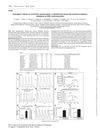
research P6590Androgenic effects on ventricular repolarization: a translational study from pharmacovigilance databases to iPSC-cardiomyocytes
Androgen-deprivation therapies increase the risk of certain heart conditions, but testosterone treatment may help.