45 citations
,
December 2006 in “Baillière's best practice and research in clinical endocrinology and metabolism/Baillière's best practice & research. Clinical endocrinology & metabolism” Vitamin D and its receptor are essential for hair growth, cell regulation, immune function, and heart health.
 4 citations
,
January 2017 in “Journal of pediatric endocrinology & metabolism/Journal of pediatric endocrinology and metabolism”
4 citations
,
January 2017 in “Journal of pediatric endocrinology & metabolism/Journal of pediatric endocrinology and metabolism” Two different mutations in the vitamin D receptor gene cause different symptoms and responses to treatment in Lebanese patients with hereditary rickets.
 January 2021 in “Medical Research Archives”
 Genetically modified rats help reveal how vitamin D affects bone and skin health.
 March 2025 in “Institutional Repositories DataBase (IRDB)”
 The testes significantly contribute to vitamin D metabolism and may affect male reproductive health and conditions like hair loss.
 32 citations
,
December 2017 in “International Journal of Molecular Sciences”
32 citations
,
December 2017 in “International Journal of Molecular Sciences” Low vitamin D might be linked to certain types of hair loss, and supplements could help, but more research is needed.
 25 citations
,
August 2014 in “Endocrinology”
25 citations
,
August 2014 in “Endocrinology” Researchers created a mouse model of a type of rickets that does not cause hair loss.
 11 citations
,
January 2017 in “Biochemical and biophysical research communications”
11 citations
,
January 2017 in “Biochemical and biophysical research communications” 1α,25-dihydroxyvitamin D3 directly affects cartilage growth and development.
 1 citations
,
February 2013 in “Clinical pediatrics”
1 citations
,
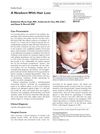
February 2013 in “Clinical pediatrics” The baby’s hair loss was due to a rare genetic condition, not treatable by usual methods.
 December 2022 in “Curēus”
 Genetic testing confirmed a young girl has Atrichia with Papular Lesions due to mutations in the hairless gene.

This rare genetic disorder causes permanent hair loss and skin bumps from birth.
30 citations
,
October 2009 in “Journal of Veterinary Internal Medicine” A Pomeranian dog had rickets due to a new gene mutation, leading to severe symptoms and euthanasia.
98 citations
,
February 2010 in “Dermatology Online Journal” Vitamin D may help treat hair disorders.
 3 citations
,
November 2021 in “World Journal of Clinical Pediatrics”
3 citations
,
November 2021 in “World Journal of Clinical Pediatrics” Vitamin D might help treat some types of hair loss, but more research is needed.
107 citations
,
March 2014 in “BoneKEy Reports” Mutations in the vitamin D receptor cause hereditary vitamin D-resistant rickets, leading to poor bone health and requiring high calcium doses for treatment.
 1308 citations
,
March 1998 in “Journal of bone and mineral research”
1308 citations
,
March 1998 in “Journal of bone and mineral research” The vitamin D receptor is crucial for bone health and affects various body systems, with mutations potentially leading to disease.
 89 citations
,
September 2010 in “Annual Review of Genomics and Human Genetics”
89 citations
,
September 2010 in “Annual Review of Genomics and Human Genetics” The document concludes that understanding the genes and pathways involved in hair growth is crucial for developing treatments for hair diseases.
Early diagnosis and treatment of hereditary vitamin D-resistant rickets (HVDRR) are crucial to prevent growth issues and other health problems.
 November 2019 in “Harper's Textbook of Pediatric Dermatology”
 Understanding normal hair growth and loss in children is key to diagnosing and treating hair disorders.
November 2023 in “Biomolecules” The research showed that Vitamin D and its receptor are important for healthy bones and normal hair and skin in rats.
21 citations
,
January 2006 in “Hormone Research in Paediatrics” A mutation in the VDR gene affects hair cycling without needing ligand binding.
 5 citations
,
January 2022 in “Asian Pacific Journal of Cancer Prevention”
5 citations
,
January 2022 in “Asian Pacific Journal of Cancer Prevention” Certain VDR gene changes can affect melanoma risk.
 6 citations
,
June 2018 in “Journal of pediatric endocrinology & metabolism/Journal of pediatric endocrinology and metabolism”
6 citations
,
June 2018 in “Journal of pediatric endocrinology & metabolism/Journal of pediatric endocrinology and metabolism” Patients with the same genetic mutation for vitamin D-resistant rickets showed different symptoms but all improved with treatment except for hair loss.
37 citations
,
August 2011 in “Journal of Bone and Mineral Research” A girl had rickets due to a gene mutation affecting vitamin D response.
The vitamin D receptor has many roles in the body beyond managing calcium, affecting the immune system, hair growth, muscles, fat, bone marrow, and cancer cells.
 7 citations
,
June 2016 in “Bone Research”
7 citations
,
June 2016 in “Bone Research” A Chinese family had a child with a specific gene mutation causing vitamin D-resistant rickets, but the child improved with calcium and low-dose calcitriol.
71 citations
,
October 2014 in “The Journal of Steroid Biochemistry and Molecular Biology” Vitamin D receptor helps prevent skin cancer and supports skin health.
29 citations
,
January 2003 in “KARGER eBooks” HVDRR is caused by VDR gene mutations, leading to vitamin D resistance, treatable with high calcium doses, but alopecia remains permanent.
67 citations
,
August 2004 in “Endocrinology” A specific gene mutation causes vitamin D resistance, but certain vitamin D analogs might help.
51 citations
,
September 2008 in “Journal of Investigative Dermatology” Vitamin D receptor may help protect against UV-induced skin cancer.
 42 citations
,
August 1999 in “The American journal of pathology”
42 citations
,
August 1999 in “The American journal of pathology” Basal cell carcinomas have much higher levels of Vitamin D3 receptors compared to healthy skin.