32 citations
,
November 1998 in “Journal of Biological Chemistry” Mouse and human keratin 16 can both form filaments, with differences likely due to the tail domain, not the helical domain.
 September 2023 in “Frontiers in cell and developmental biology”
 Vav2 changes how hair follicle stem cells' genes work as they age, which might improve regeneration but also raise cancer risk.
 7 citations
,
September 2019 in “Journal of Cellular Physiology”
7 citations
,
September 2019 in “Journal of Cellular Physiology” Akt2 protein is essential for normal cell division in early mouse embryos.
 1 citations
,
August 2014 in “Asian-Australasian Journal of Animal Sciences”
1 citations
,
August 2014 in “Asian-Australasian Journal of Animal Sciences” Recombinant goat VEGF164 speeds up hair growth in mice.
 21 citations
,
January 2018 in “Journal of Investigative Dermatology”
21 citations
,
January 2018 in “Journal of Investigative Dermatology” Rats can't grow new hair follicles after skin wounds, unlike mice, due to differences in gene expression and response to WNT signaling.
1 citations
,
September 2025 in “Physiologia” Ovalbumin–aluminum sensitization causes increased pain sensitivity and nerve changes in mice.
 1 citations
,
September 2012 in “Journal of Investigative Dermatology”
1 citations
,
September 2012 in “Journal of Investigative Dermatology” Aging reduces stem cell activation, leading to hair loss in mice lacking a specific enzyme.
April 2019 in “The journal of investigative dermatology/Journal of investigative dermatology” Disrupting the Tsc2 gene in certain cells leads to thicker skin, larger hair, and changes in hair growth signaling, which can be partly reversed with specific treatment.

Shh and Dhh affect skin development and can cause tumors, while Ihh does not.
113 citations
,
June 2010 in “Biological Chemistry” Cathepsin L deficiency causes large, abnormal cell structures and health issues in mice.
Finasteride worsens alcohol withdrawal in female mice but eases it in male mice.
10 citations
,
May 2017 in “Wound Repair and Regeneration” Overexpression of ALK2 in hair follicles disrupts skin development and slows wound healing.
113 citations
,
May 2002 in “PubMed” Overexpressing COX-2 in mice skin reduces skin tumor development.
 7 citations
,
December 2008 in “Journal of Dermatological Science”
7 citations
,
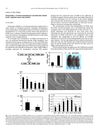
December 2008 in “Journal of Dermatological Science” Progranulin overexpression leads to shorter, thinner hair and increased cell death in mouse hair follicles.
 14 citations
,
March 2020 in “Cold Spring Harbor Perspectives in Biology”
14 citations
,
March 2020 in “Cold Spring Harbor Perspectives in Biology” Mouse spermatogenesis shows that stem cells can behave flexibly and move widely in open environments.
 January 2007 in “The Year book of surgery”
 Mast cells and VEGF contribute to post-surgery adhesions, and blocking VEGF can reduce these adhesions; also, certain factors affect wound healing and fetal skin heals differently with age.
 81 citations
,
November 2012 in “Journal of the National Cancer Institute”
81 citations
,
November 2012 in “Journal of the National Cancer Institute” The tumor suppressor gene FLCN affects mitochondrial function and energy use in cells.
September 2013 in “Helda (University of Helsinki)” Mutations in specific genes cause certain congenital defects in dogs, aiding in understanding similar human diseases.
10 citations
,
June 2009 in “Acta Biochimica Polonica” Old C57BL/6 mice with unsynchronized hair cycles show less melanin in their spleens.
9 citations
,
September 2022 in “Journal of Clinical Investigation” Replacing defective mesenchymal cells with normal ones fixes thymic growth issues in 22q11.2DS mouse models.
51 citations
,
August 2013 in “The Journal of experimental medicine/The journal of experimental medicine” Loss of a specific protein in skin cells causes symptoms similar to psoriasis.
January 2023 in “Faculty of 1000 Research Ltd” Androgen loss may speed up hair greying.
21 citations
,
August 2007 in “Experimental Dermatology” Overexpression of hurpin in mice leads to abnormal skin and higher skin cancer risk.
8 citations
,
April 2016 in “Experimental Dermatology” The type of tumor suppressor affects the form of skin cancer from hair follicle stem cells.
 21 citations
,
November 2010 in “Journal of molecular medicine”
21 citations
,
November 2010 in “Journal of molecular medicine” FoxN1 gene is essential for proper thymus structure and preventing hair loss.
 2 citations
,
May 2018 in “Journal of Investigative Dermatology”
2 citations
,
May 2018 in “Journal of Investigative Dermatology” Mice can regrow hair on wounds due to specific cell interactions and mechanical forces not seen in rats.
79 citations
,
August 1998 in “The Journal of Cell Biology” Keratin 16 delays skin maturation and affects skin and hair development in mice.
 4 citations
,
July 2012 in “Genesis”
4 citations
,
July 2012 in “Genesis” The Megsin-Cre transgene is a new tool for genetic manipulation in the skin and upper digestive tract.
 178 citations
,
October 2001 in “Genes & Development”
178 citations
,
October 2001 in “Genes & Development” The mutated hairless gene causes hair loss by acting as a new type of corepressor affecting thyroid hormone receptors.
16 citations
,
June 1983 in “Journal of Neurochemistry” Copper therapy improved health and enzyme activity in mice with copper deficiency.