 55 citations
,
October 2019 in “Dermatology and therapy”
55 citations
,
October 2019 in “Dermatology and therapy” Drugs targeting the JAK/STAT pathway can improve atopic dermatitis but vary in effectiveness for vitiligo and alopecia areata, with generally mild safety concerns.
16 citations
,
February 2009 in “Clinical neurology and neurosurgery” Switching to extended-release divalproex sodium improved patient-reported tremor but did not change seizure frequency or most side effects.
20 citations
,
June 2019 in “JAAD Case Reports” Tofacitinib can cause skin eruptions similar to palmoplantar pustulosis.
12 citations
,
July 2016 in “Journal of dermatology” Intramuscular triamcinolone acetonide is an effective treatment for severe alopecia areata, especially in males.
Levetiracetam and valproate sodium both reduce seizures when added to lamotrigine, but levetiracetam has fewer side effects.
 January 2025 in “International Journal of Dermatology Venereology and Leprosy Sciences”
 Tofacitinib improved hair regrowth and quality of life in children with alopecia areata, with mild side effects.
6 citations
,
November 2020 in “Clinical Cosmetic and Investigational Dermatology” Both concentrations of triamcinolone acetonide are effective for hair regrowth in patchy alopecia areata, but 5 mg/mL is recommended to reduce side effects.
 130 citations
,
February 2018 in “Journal of Investigative Dermatology”
130 citations
,
February 2018 in “Journal of Investigative Dermatology” Tofacitinib may help treat severe hair loss, but more research is needed.
 19 citations
,
October 2013 in “Headache: The Journal of Head and Face Pain”
19 citations
,
October 2013 in “Headache: The Journal of Head and Face Pain” The document concludes that inhalation of oxygen and sumatriptan injections are primary for cluster headaches, indomethacin for paroxysmal hemicrania, and lidocaine and lamotrigine for SUNCT, but SUNCT often resists treatment.
13 citations
,
January 2018 in “International Journal of Trichology” Intralesional triamcinolone injections can effectively stop frontal fibrosing alopecia with minimal side effects.
 October 2022 in “Journal of experimental and clinical medicine”
 Repurposing existing drugs for COVID-19 shows promise but requires more research to confirm effectiveness.
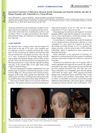 24 citations
,
June 2016 in “Acta dermato-venereologica”
24 citations
,
June 2016 in “Acta dermato-venereologica” Tofacitinib helped a young woman's severe hair loss and arthritis but not her plaque psoriasis.
 39 citations
,
January 2019 in “Journal of the American Academy of Dermatology”
39 citations
,
January 2019 in “Journal of the American Academy of Dermatology” Tofacitinib may help treat severe childhood alopecia areata, but risks require careful consideration.
2 citations
,
February 2024 in “Indian Dermatology Online Journal” Tofacitinib effectively improved hair regrowth and skin condition in a woman with alopecia totalis and lichen planus hypertrophicus.
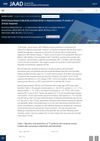 April 2023 in “Journal of the American Academy of Dermatology”
 Switching between the medications tofacitinib and baricitinib can be effective for treating hair loss in alopecia areata.
 June 2023 in “International Journal of Pharmaceuticals Nutraceuticals and Cosmetic Science”
 New information shows Valproate may protect the brain and reduce breathing failure risk but can cause liver damage and other side effects, with genetics affecting dosage needs.
 1 citations
,
May 2017 in “Journal of the American Academy of Dermatology”
1 citations
,
May 2017 in “Journal of the American Academy of Dermatology” Oral tofacitinib may be an effective and tolerable treatment for some people with severe alopecia areata.
January 2016 in “Indian journal of drugs in dermatology” Acitretin effectively treats severe hypertrophic lichen planus.
 9 citations
,
August 2018 in “JAAD Case Reports”
9 citations
,
August 2018 in “JAAD Case Reports” Tofacitinib can temporarily improve hair growth in alopecia universalis, but its effectiveness may decrease over time.
August 2024 in “Indian Journal of Dermatology Venereology and Leprology”  October 2025 in “Indian Dermatology Online Journal”
 2.5 mg/ml of triamcinolone acetonide is more effective for treating alopecia areata.
 15 citations
,
November 2020 in “Pharmaceutics”
15 citations
,
November 2020 in “Pharmaceutics” Tofacitinib nanoparticles can safely and effectively treat alopecia areata by targeting hair follicles.
August 2025 in “Journal of the American Academy of Dermatology” 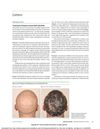 78 citations
,
March 2017 in “JAMA Dermatology”
78 citations
,
March 2017 in “JAMA Dermatology” Tofacitinib helped regrow hair in people with severe alopecia, but side effects occurred and benefits stopped after treatment ended.
 August 2018 in “bioRxiv (Cold Spring Harbor Laboratory)”
 Existing drugs, including a blood pressure medication, show promise as new treatments for influenza.
 1 citations
,
May 2025 in “The Journal of Rheumatology”
1 citations
,
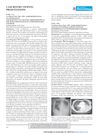
May 2025 in “The Journal of Rheumatology” Upadacitinib may help treat difficult cases of systemic lupus erythematosus.
188 citations
,
October 2014 in “Thyroid” Dabrafenib was effective and well tolerated in treating thyroid cancer with a specific mutation.
December 2025 in “Journal of Drug Discovery and Therapeutics” Spanlastics improve drug delivery by enhancing bioavailability and targeting, reducing side effects.
 March 2026 in “Clinical Cosmetic and Investigational Dermatology”
 Upadacitinib improved multiple immune-related conditions in one patient.
Hit15 shows promise as a COVID-19 treatment by reducing virus infection and inflammation.