 May 2015 in “Scientific journal of Kurdistan University of Medical Sciences”
 Men with early-onset baldness may have a higher risk of heart disease.
 September 1998 in “Journal of The European Academy of Dermatology and Venereology”
 Topical 5α-reductase inhibitor helps counteract hair loss and stabilize it.
17 citations
,
May 1969 in “American Journal of Physical Anthropology” The silver marmoset's skin is thin, lacks pigment cells, and has unique features like keratinized spines and specialized glands.
 15 citations
,
July 2004 in “Journal of morphology”
15 citations
,
July 2004 in “Journal of morphology” Monotreme hair structure and protein distribution are similar to other mammals, but their inner root sheath cornifies differently, suggesting a unique evolution from reptile skin.
January 1981 in “Purdue e-Pubs (Purdue University)” Pig skin is similar to human skin, with no major changes as they age.
82 citations
,
November 1985 in “Archives of Dermatology” The newborn's skin condition improved over time, leaving only lighter skin patches.
33 citations
,
October 2012 in “Journal of Morphology” Reptile skin hardens by layering beta-proteins on keratin.
26 citations
,
August 2007 in “Annals of Anatomy - Anatomischer Anzeiger” Feathers become harder as they develop due to a change in keratin type.
21 citations
,
June 2003 in “Journal of Morphology” Monotreme and marsupial skin proteins show primitive features and species-specific differences compared to placental mammals.
7 citations
,
January 2013 in “Indian dermatology online journal” A rare skin condition with dark, thick, warty patches and some hair loss was found in a newborn boy.
23 citations
,
January 1986 Involucrin is crucial for skin cell maturation and protection.
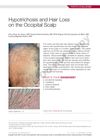 September 2023 in “Cutis”
 A baby girl has a hair disorder called monilethrix, causing fragile hair that may improve over time.
33 citations
,
January 2014 in “Pediatric Research” January 2018 in “Acta dermato-venereologica” June 2011 in “European Journal of Pediatric Dermatology” An 11-year-old girl with hair thinning was diagnosed with monilethrix and early androgenetic alopecia.
October 2024 in “International Journal of Comprehensive Veterinary Research.” Neonate rabbits have consistent skin layers and no sweat glands.
65 citations
,
July 1984 in “Journal of Investigative Dermatology” 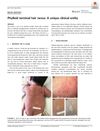 August 2018 in “Pediatric Dermatology”
 A baby had a unique skin condition with a pale patch and surrounding dark hairs, not linked to other health issues.
19 citations
,
November 1985 in “Archives of Dermatology” The newborn's skin blisters healed without scarring, leaving some light spots, and stopped forming after four months.
 October 2019 in “Skin appendage disorders”
 The vitreous membrane in hair follicles changes shape during the hair cycle and may affect hair growth and nutrient exchange.

Insect eggshells form through specialized cell processes and gene regulation, with potential for pest control innovations.
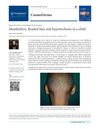 January 2026 in “Cosmoderma”
 A 9-year-old girl has a rare hair disorder causing beaded, sparse hair.
38 citations
,
August 1973 in “Journal of Investigative Dermatology” 44 citations
,
May 2008 in “Acta Zoologica” Keratinization in embryos helped vertebrates adapt to land by forming a protective skin barrier.
1 citations
,
April 2008 in “Pigment Cell & Melanoma Research” Foxn1 is essential for hair pigmentation by directing pigment transfer to hair cells.
4 citations
,
May 2020 in “The journal of pediatrics/The Journal of pediatrics” A boy with monilethrix has brittle hair that breaks easily due to a genetic condition, which might improve by puberty.
7 citations
,
September 2017 in “Advances in Clinical and Experimental Medicine” Lanugo hair develops earlier on the back than the front of human fetuses.
 6 citations
,
January 2017 in “Journal of toxicologic pathology”
6 citations
,
January 2017 in “Journal of toxicologic pathology” Rabbit skin with active hair growth shows thicker, redder areas due to larger, more numerous hair follicles and increased blood vessels.
1 citations
,
January 2021 in “Brazilian Journal of Medical and Biological Research” Constant light exposure during pregnancy changes newborn rabbits' skin, affecting hair follicles, skin thickness, and pigment cells.
 1 citations
,
June 2017 in “Veterinary dermatology”
1 citations
,
June 2017 in “Veterinary dermatology” A cross-bred lamb with severe skin and movement issues had ichthyosis fetalis but normal vitamin A levels.