15 citations
,
July 2004 in “AIDS” Indinavir therapy can cause reversible skin, hair, and nail darkening.
May 2025 in “Tropical Natural History” Zingiber junceum Gagnep. is now found in Vietnam and contains various bioactive compounds.
1 citations
,
December 2023 in “Skin Research and Technology” Combining hair follicle transplantation and a 308 nm excimer laser effectively treats perioral vitiligo without unwanted hair growth.
 4 citations
,
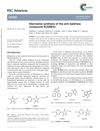
January 2014 in “RSC Advances”
4 citations
,
January 2014 in “RSC Advances” A new, less toxic and more efficient method to create the anti-baldness compound RU58841 was developed in 2014.
144 citations
,
December 2004 in “Molecular Endocrinology” The vitamin D receptor is essential for normal hair growth, even without its usual binding.
 17 citations
,
July 1995 in “International Journal of Dermatology”
17 citations
,
July 1995 in “International Journal of Dermatology” Minoxidil helps prevent hair loss from chemotherapy in rats.
 April 2017 in “Journal of Dermatological Science”
 Certain flavonoids can improve the growth of pigmented hair in mice.
28 citations
,
December 2001 in “European Journal of Pharmacology” M50054 may help treat hepatitis and hair loss from chemotherapy.
 June 2024 in “Research Square (Research Square)”
 Aminoacridine and Minoxidil together show promise for better hair and nail growth.
3 citations
,
November 2024 in “Viruses” Cepharanthine may help treat Equid herpesvirus type 8 by reducing oxidative stress.
4 citations
,
January 2014 in “Vegetos” Ziziphus is a versatile plant with health benefits and commercial uses.
 34 citations
,
October 2021 in “Scientific Reports”
34 citations
,
October 2021 in “Scientific Reports” Nobiletin-loaded vesicles effectively treat skin cancer by restoring normal miRNA and antioxidant levels.
 March 2026 in “Pharmaceutics”
 Plant-derived nanovesicles show promise in cancer treatment but need standardized preparation.
January 2017 in “SHILAP Revista de lepidopterología” Agomelatine might help reduce hair loss caused by valproate.
2 citations
,
September 2004 in “Experimental Dermatology” VR1 signaling can inhibit hair growth by affecting cell processes and increasing hair growth inhibitors.
March 2010 in “Faculty Opinions – Post-Publication Peer Review of the Biomedical Literature” Vitamin D receptor is key to hair growth, not vitamin D itself.
Vitamin D receptor actions without binding are crucial for healthy skin and hair.
 14 citations
,
November 2005 in “Life sciences”
14 citations
,
November 2005 in “Life sciences” Vitamin D3 may protect rat hair follicles from radiation damage.
 53 citations
,
May 2010 in “Journal of Cellular Physiology”
53 citations
,
May 2010 in “Journal of Cellular Physiology” Mice without Vitamin D receptors have hair growth problems because of issues in the hedgehog signaling pathway.
2 citations
,
July 2019 in “PeerJ” Removing the VDR gene in skin cells reduces their growth and affects hair-related genes.
 7 citations
,
August 2013 in “Experimental and Therapeutic Medicine”
7 citations
,
August 2013 in “Experimental and Therapeutic Medicine” 1,25-dihydroxyvitamin D3 helps melanocyte precursors from hair follicles grow and produce melanin, aiding vitiligo treatment understanding.
2 citations
,
February 1990 in “PubMed” DDR-II hair follicle cells don't respond to 1, 25-dihydroxyvitamin D3, aiding diagnosis.
 August 2023 in “Journal of Chromatographic Science”
 A new method accurately measures three compounds in rat plasma from pine needle extracts, aiding future research on its use for hair loss.
4 citations
,
January 2018 in “Research journal of pharmacy and technology” Wera leaf extract can help with hair growth.
 9 citations
,
May 2019 in “Vestnik dermatologii i venerologii”
9 citations
,
May 2019 in “Vestnik dermatologii i venerologii” The method could improve vitiligo treatment by effectively delivering therapy to hair follicles.
 47 citations
,
November 1982 in “Journal of Cardiovascular Pharmacology”
47 citations
,
November 1982 in “Journal of Cardiovascular Pharmacology” Nitrendipine and nifedipine effectively block muscle contractions, while papaverine relaxes them and minoxidil needs high amounts to work.
10 citations
,
July 2022 in “Journal of Cosmetic Dermatology” Medicago sativa extract may help treat vitiligo by enhancing skin and hair pigmentation.
 1 citations
,
April 2021 in “Journal of Investigative Dermatology”
1 citations
,
April 2021 in “Journal of Investigative Dermatology” The ingredients could help prevent hair loss by promoting hair growth and increasing VEGF secretion.
 4 citations
,
October 2022 in “Evidence-based complementary and alternative medicine”
4 citations
,
October 2022 in “Evidence-based complementary and alternative medicine” Ficus carica extract improved fertility in rats and may help with certain health conditions.