 14 citations
,
April 2016 in “British Journal of Dermatology”
14 citations
,
April 2016 in “British Journal of Dermatology” The study found that the most common repigmentation pattern in children with vitiligo is a combination of patterns, with a new medium spotted pattern identified.
14 citations
,
June 2011 in “Australasian Journal of Dermatology” An 8-year-old boy had both alopecia areata and vitiligo on the same spot on his scalp, which is very rare.
 14 citations
,
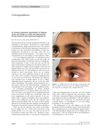
November 2009 in “Clinical and experimental dermatology”
14 citations
,
November 2009 in “Clinical and experimental dermatology” Topical prostaglandin E2 can help treat both alopecia areata and vitiligo.
 14 citations
,
January 2008 in “Dermatology”
14 citations
,
January 2008 in “Dermatology” Vitamin D made by the skin plays a role in immune defense and skin health, and more research is needed to understand its full effects.
 14 citations
,
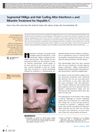
January 2006 in “Skinmed”
14 citations
,
January 2006 in “Skinmed” A woman developed white patches on her skin and curly hair after hepatitis C treatment, likely due to the medication interferon alpha.
 14 citations
,
November 2005 in “Life sciences”
14 citations
,
November 2005 in “Life sciences” Vitamin D3 may protect rat hair follicles from radiation damage.
 13 citations
,
December 2012 in “Frontiers in bioscience”
13 citations
,
December 2012 in “Frontiers in bioscience” Vitamin D and estrogen may help protect heart and kidney health, and maintaining sufficient vitamin D levels could be especially beneficial for African Americans, postmenopausal women, and people with chronic kidney disease.
13 citations
,
July 2020 in “World journal of stem cells” Vitamin D and calcium are important for skin stem cell function and wound healing.
13 citations
,
February 2020 in “CHEST Journal” Vitamin C supplementation can resolve pulmonary arterial hypertension caused by vitamin C deficiency.
 13 citations
,
April 2019 in “Actas Dermo-Sifiliográficas”
13 citations
,
April 2019 in “Actas Dermo-Sifiliográficas” Vitamin D is important for skin health, but more research is needed to understand its full effects and treatment potential.
 13 citations
,
April 2018 in “Journal of The American Academy of Dermatology”
13 citations
,
April 2018 in “Journal of The American Academy of Dermatology” People with certain types of hair loss, especially lichen planopilaris and telogen effluvium, as well as African Americans, Asians, and men, are more likely to have severe vitamin D deficiency.
13 citations
,
December 2016 in “Egyptian Journal of Basic and Applied Sciences” Alopecia areata patients have lower vitamin D levels than healthy individuals.
13 citations
,
February 2016 in “Journal of steroid biochemistry and molecular biology/The Journal of steroid biochemistry and molecular biology” Mice without active or present vitamin D receptors maintain normal blood sugar control and islet gene expression when calcium levels are normal.
 13 citations
,
November 2013 in “Journal of Endocrinology/Journal of endocrinology”
13 citations
,
November 2013 in “Journal of Endocrinology/Journal of endocrinology” Vitamin D receptor helps control hair growth genes in skin cells.
13 citations
,
January 2013 in “Indian Journal of Dermatology Venereology and Leprology” Alopecia areata and vitiligo can coexist, respond well to treatment, and may have a better prognosis together.
13 citations
,
May 2012 in “Cutaneous and ocular toxicology” Alopecia areata is not linked to vitamin B12 deficiency.
13 citations
,
September 2007 in “International Journal of Dermatology” Vitamin D receptor gene variations are not linked to alopecia areata.
13 citations
,
April 1994 in “Baillière's clinical endocrinology and metabolism” Some people have genetic mutations that make them resistant to vitamin D, leading to rickets even with enough vitamin D intake.
12 citations
,
September 2017 in “JDR Clinical & Translational Research” Early detection of specific VDR mutations is crucial for effective treatment and better dental outcomes in children with hereditary vitamin D–resistant rickets.
 12 citations
,
January 2016 in “Journal of Clinical and Investigative Dermatology”
12 citations
,
January 2016 in “Journal of Clinical and Investigative Dermatology” Low vitamin D levels are common in people with Alopecia Areata.
12 citations
,
October 1952 in “Experimental biology and medicine” Vitamin B12 and aureomycin reduce the negative effects of high doses of cortisone in rats.
12 citations
,
October 2021 in “Journal of the Science of Food and Agriculture” Vitamin A improves fur quality in heat-stressed Rex rabbits.
12 citations
,
September 2020 in “Nanomaterials” The new drug delivery system improves vitiligo treatment by enhancing melanocyte activity and viability.
12 citations
,
December 2016 in “The FASEB Journal” Lack of vitamin D receptor causes hair loss in mice by allowing certain genes to overactivate.
12 citations
,
September 2014 in “Bone” A vitamin D receptor mutation causes rickets and affects immune responses.
12 citations
,
October 2013 in “British Journal of Dermatology” The meeting concluded with optimism about increasing research and better management of vitiligo.
12 citations
,
September 1997 in “PubMed” Vitamin D could be important for many skin functions and synthetic versions may treat various skin diseases.
 11 citations
,
June 2012 in “Archives of Dermatological Research”
11 citations
,
June 2012 in “Archives of Dermatological Research” L-cystine and vitamin B6 at high doses prevented hair loss in mice treated with a chemotherapy drug.
 11 citations
,
January 2011 in “Turkish Journal of Medical Sciences”
11 citations
,
January 2011 in “Turkish Journal of Medical Sciences” Low iron levels are a significant risk factor for hair loss, while high vitamin D levels might be a response to hair loss, not a cause.
11 citations
,
August 1987 in “Archives of Dermatology” Langerhans' cells are not involved in hair depigmentation in these mice.