13 citations
,
August 2007 in “Journal of Investigative Dermatology” Mouse hair can regrow in a special lab setup without serum.
1 citations
,
October 2013 in “MacSphere (McMaster University)” Changes in δ¹⁵N values in hair can indicate stress or health issues.
129 citations
,
October 2017 in “BMC Genomics” The study improved understanding of gene roles in cashmere goat hair growth, aiding future cashmere production.
 January 2025 in “Ginekologia Polska”
 VDR gene variations may affect carbohydrate metabolism in young women with hyperandrogenism.
 21 citations
,
April 2012 in “European Journal of Pharmaceutics and Biopharmaceutics”
21 citations
,
April 2012 in “European Journal of Pharmaceutics and Biopharmaceutics” The gel with special fat-loaded particles from rice bran could be an effective skin treatment for hair loss.
 March 2026 in “Zenodo (CERN European Organization for Nuclear Research)”
 The N-K GM Series offers highly selective, eco-friendly medicines targeting harmful microbes, free for personal use.
September 2025 in “OPAL (Open@LaTrobe) (La Trobe University)” The hydrogel effectively heals diabetic wounds and promotes hair growth.
New peptides can delay aging and improve cell function.
 June 2021 in “Research Square (Research Square)”
 Using fat-derived cells to treat hair loss increased hair density and thickness without side effects.
 November 2002 in “Hair transplant forum international”
 The document's conclusion cannot be provided because the content is not accessible.
 21 citations
,
January 2022 in “Biomaterials Science”
21 citations
,
January 2022 in “Biomaterials Science” RNA delivery is best for in-body use, while RNP delivery is good for outside-body use. Both methods are expected to greatly impact future treatments.
22 citations
,
April 2010 in “Journal of Cellular Biochemistry” Certain mutations in the hairless protein disrupt its ability to regulate the hair cycle.
 September 2018 in “Hair transplant forum international”
 The document's content could not be processed for a summary.
May 2018 in “The journal of immunology/The Journal of immunology” Mutations in the FOXN1 gene cause severe immune issues but don't affect hair and nails.
2 citations
,
April 2025 in “Cells” Heat preconditioning does not improve nanofat's ability to form blood vessels.
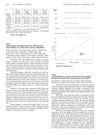 April 2013 in “The Journal of Urology”
 Researchers created a simple tool to predict bladder blockage from prostate enlargement using urine flow rate and prostate volume.
 54 citations
,
October 2024 in “Nature Communications”
54 citations
,
October 2024 in “Nature Communications” Molybdenum oxide nanozymes can effectively treat and monitor acute kidney injury by reducing oxidative stress.
 January 2025 in “BMC Genomics”
 Long non-coding RNAs help regulate wool fineness in Gansu alpine fine-wool sheep.
 January 2016 in “Hair transplant forum international”
 The document's content cannot be summarized because it is not accessible or understandable.
 1 citations
,
May 2021 in “Scientific Reports”
1 citations
,
May 2021 in “Scientific Reports” Certain cancer drugs are strongly linked to nerve damage, requiring close monitoring and early treatment.
 11 citations
,
August 2021 in “Stem Cell Research & Therapy”
11 citations
,
August 2021 in “Stem Cell Research & Therapy” The document concludes that using a person's own fat cells (SVF) can significantly increase hair thickness and density, suggesting it could be a promising treatment for hair loss.
July 2026 in “Journal of Zhejiang University (Medical Sciences)” Nanovesicles from fat stem cells help hair growth by activating a specific signaling pathway.
July 2008 in “European Journal of Cancer Supplements” 24 citations
,
November 2013 in “Molecular Medicine Reports” Human hair follicle stem cells can become endothelial cells with certain growth factors, useful for vascular treatments.
 March 2006 in “Hair transplant forum international”
 The document's conclusion cannot be summarized because the content is not understandable.
3 citations
,
October 1994 in “Medical Molecular Morphology” The lower part of rat vibrissa hair gets more blood and is well-protected for growth.
Nanofat injection is safe and effective for improving skin texture and patient satisfaction.
 March 2026 in “Zenodo (CERN European Organization for Nuclear Research)”
 The "Danti Original Source" method can reverse androgenetic alopecia.
 September 2024 in “Journal of the American Academy of Dermatology”
 AH-001 could be a safer and more effective treatment for hair loss.
109 citations
,
June 2011 in “Molecular and Cellular Endocrinology” Vitamin D receptor mutations can cause alopecia by affecting hair growth genes.